


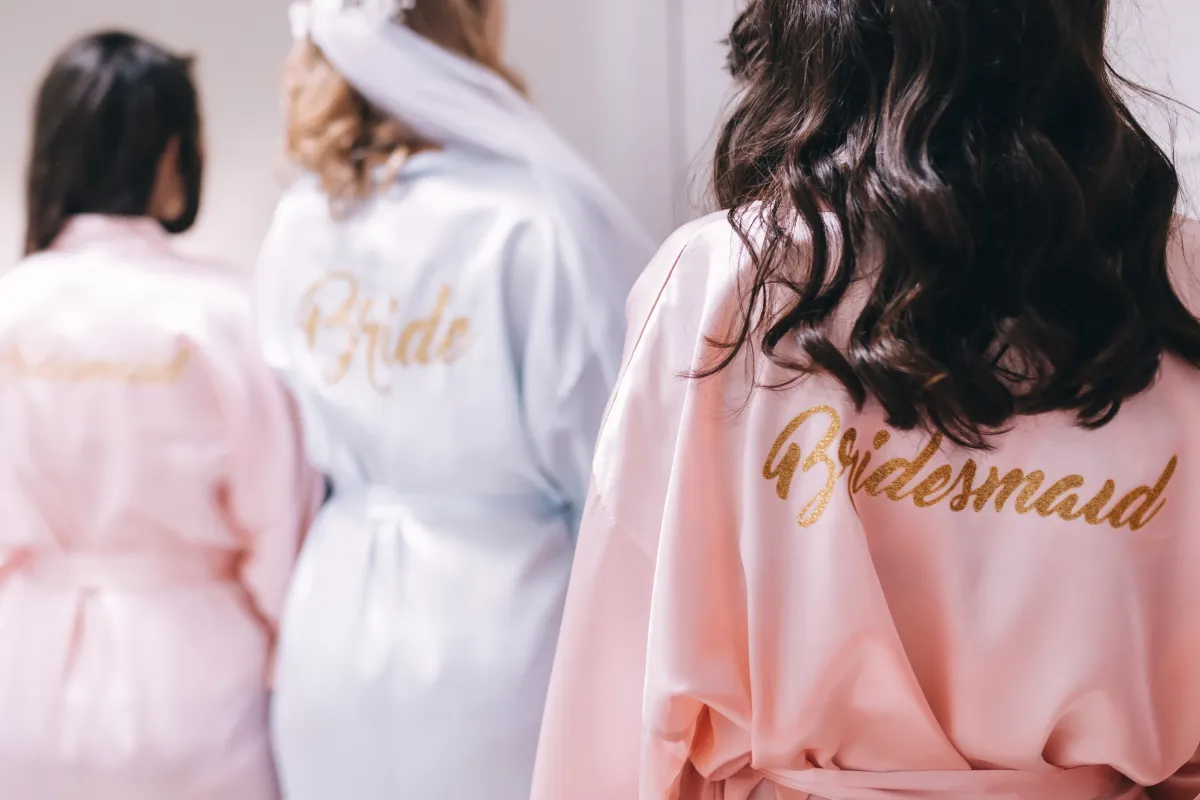
Imagine you’re that bride-to-be, let’s call her Sarah, standing in her cozy living room with a spreadsheet open on her laptop. She’s always been the organized type, the one who color-codes her planner and double-checks every detail. When she asked her bridal party—six close friends who’ve been by her side through thick and thin—to share their budgets for hair and the bachelorette party, it felt like a kindness. “I’m including everyone,” she might have thought, picturing a fun trip to wine country, not wanting anyone to feel left out or stretched thin. But as the numbers rolled in, detailing not just those extras but also dresses, shoes, travel, nails, and gifts—oh, the gifts—she felt a twinge of guilt. The total? Over what she’d budgeted for her own dream gown. No one had complained; they were buzzing with excitement about the upcoming festivities. Yet, lying awake that night, Sarah wondered if she was being unreasonable. Was this the ultimate ask, turning her joyous day into a financial burden for her loved ones?
Sarah wasn’t alone in her doubts, as evidenced by the flood of responses on Reddit. One user shared a heartfelt story: “I’ve been that bridesmaid with empty pockets too many times,” they wrote, their words echoing through the thread. This person had once skipped meals to afford a dress or makeup session, feeling invisible shame amidst the celebration. They vowed that if they ever walked down the aisle, they’d handle things differently—covering dresses, hair, and makeup for their own wedding party. No extravagance, just practicality. “People are traveling far for my big day,” they explained, “that’s expense enough without adding more.” It was a promise born from empathy, understanding those quiet struggles that come with sharing in someone else’s happiness. Stories like this piled up, with contributors reflecting on their own bridal party experiences, turning what could have been dry advice into raw, relatable confessions of past regrets and future intentions.
Weddings aren’t what they used to be; traditions are bending under the weight of personal touches and evolving norms. More couples are stepping back from expecting friends to foot exorbitant bills, realizing that bridal parties often juggle jobs, rent, and unexpected expenses. One Reddit commenter offered a grounded perspective: “If you’re mandating professional hair or nails, cover that—same with matching shoes.” They compared it to avoiding the fate of a forgotten gift gathering dust. This shift reflects a broader cultural move toward fairness, where weddings embrace individuality without sacrificing friendships. Imagine two friends: one splurging on a bespoke suit for her bridesmaids, the other opting for thrifted dresses and potluck dinners. The first might seem over-the-top, but it’s about equity; the second, wholesome yet potentially embarrassing if standards aren’t met. As society values experiences over excesses, these discussions highlight how love and loyalty shouldn’t come with a hefty price tag, encouraging brides and grooms to think beyond the ceremony.
Experts in the wedding world chime in with insights that feel like wisdom from a seasoned aunt. According to Brides magazine, bridesmaids typically cover their own attire, but must-dos like professional hair and makeup? That’s on the couple, especially if DIY isn’t an option. Planner Laura Ritchie puts it succinctly: “Requiring glam without paying for it is unfair; it’s an extra layer on your loved ones.” Trips complicate things further—bachelorette parties should stay local and reasonable, not turn into transatlantic escapades. Planner Annie Lee advises against luxury destinations matching ornate weddings, noting how costs can skyrocket for everyone involved. The Chateau Joli Venue’s guide expands on this ethos, urging ample saving time and suggesting subsidies for specific requirements. Picture a bridesmaid named Emily, scraping together for a safari-themed bacchanal; if she can’t afford it, the bond fractures. These guidelines aren’t rules set in stone but gentle nudges toward consideration, ensuring memories are made with joy, not resentment.
Back on Reddit, Sarah—the original poster as chapstix0314—pondered skipping traditional bridesmaid gifts altogether. “Why not put that money toward real help, like covering hair, shoes, or nails?” she mused. Her question sparked debate: Do close friends prefer a sentimental token, perhaps a engraved brass to symbolize forever friendship, or genuine financial easing? Opinions split sharply. Some cherished baubles as long-term reminders, stories etched into metal or crystal that outlast the wedding blush. Others, however, sided with relief—imagine a bridesmaid who can finally breathe without the hotel bill looming. One clever suggestion: Rent a shared van or book a group hotel for the bachelorette bash, covering fuel and exhaustion. It’s thoughtful, turning obligation into genuine care. For Sarah, this meant weighing nostalgia against practicality, asking herself if her friends would value a $50 custom keychain or $200 off their salon bill.
In the end, these conversations reveal a tapestry of human emotions around what should be a celebration of love. Newsweek reached out to Sarah for more details, but like many online tales, it remains unverified—a snippet of the real bride’s inner turmoil. Bridesmaids’ costs aren’t just numbers; they’re threads of compromise and kindness. As one contributor summed up, the goal is balance: ensuring no one feels coerced, only celebrated. Weddings evolve, and so do expectations, with empathy winning out over extravagance. For brides-to-be like Sarah, the lesson lingers—plan with heart, share the load, and let joy, not wallets, dictate the day. It’s a reminder that in the whirlwind of veils and vows, true friends are worth more than any budget line.