


The Dream Shattered: Miami Ohio’s Perfect Season Meets a Harsh Reality
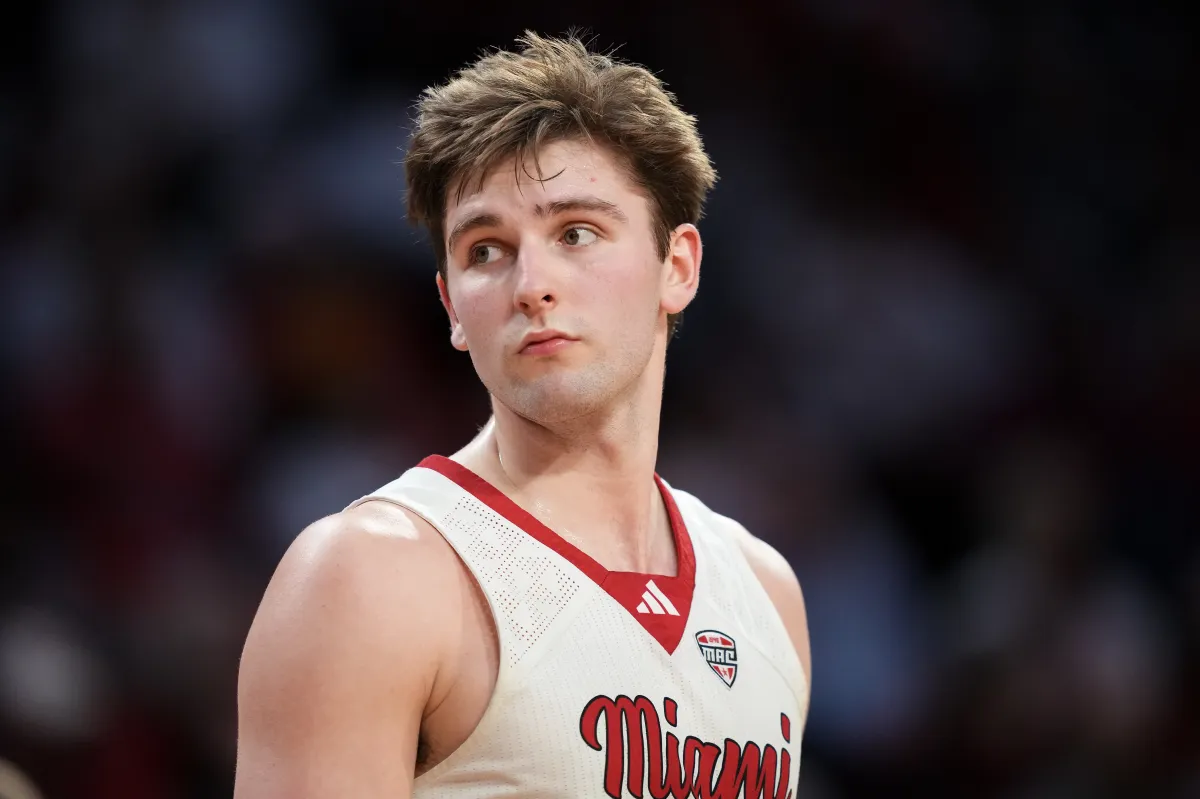
Picture this: it’s late March, and the college basketball world is buzzing with excitement as teams battle it out in their conference tournaments, hoping to punch their ticket to the ultimate prize—the NCAA Tournament. But for one team, it’s a story that’s equal parts fairy tale and heartbreak. The Miami (Ohio) RedHawks? Well, they rolled through their entire regular season without a single defeat, finishing a historic 31-0. That’s right, undefeated in the Mid-American Conference (MAC), a feat that hasn’t happened in ages and had fans dreaming big about March Madness glory. Led by head coach Travis Steele, who turned what started as a rebuilding year into an absolute juggernaut, the RedHawks were riding high on a wave of underdog magic. Their players, a tight-knit group of grinders and sharpshooters, embodied that mid-major grit, dominating games with precise defense, relentless hustle, and a shared belief that they could upset the giants. Communities in Ohio were rallying behind them, tailgating parties turning into pep rallies, with banners proclaiming “31-0” everywhere you looked. It was the kind of season that writes legends, resurrecting a program once known more for stumbles than strides, and proving that with heart and strategy, even a smaller school could stand tall against tougher foes.
Then came Champ Week, that wild ride of conference tournaments where dreams are made or broken in a heartbeat. The RedHawks, confident from their flawless run, stormed into the MAC Tournament as heavy favorites. But in the quarterfinals, reality bit hard. Facing off against the Massachusetts Minutemen in what should have been a coronation, things unraveled. Despite gutsy performances—maybe a few too many turnovers, a defensive lapse here, an ill-timed foul there—they fell 87-83. The arena, which had been a fortress of Redhawk red and white just moments before, now echoed with stunned silence and the occasional underdog cheer from Massachusutts fans. Coach Steele, ever the steady hand, gathered his players post-game, reminding them that one loss didn’t erase the mountain they’d climbed. Yet, for fans glued to their screens or shivering in the stands, it felt like a gut punch. How could a team with an unblemished record get bounced before the finals? It was a reminder of how brutal tournament basketball can be, where single games decide fates. The RedHawks had given the MAC its opponent schedule respect, but now, they were out of the conference title hunt, watching others chase that automatic NCAA bid. It left fans wondering: after all that triumph, was this historic run just a tease?
Now, let’s talk about how the NCAA Tournament works, because it’s a beast of a system that favors the mighty but sometimes winks at the dreamers. Winning your conference tournament? That’s the golden ticket—an automatic bid straight to March Madness, no questions asked. Teams like Duke or Kansas live for that crown. But if you falter, like the RedHawks did, you’re in the at-large hunt, where the NCAA committee sifts through resumes like college scouts at a draft. They look at strength of schedule, quality wins, losses, NET rankings—you name it. For power conference schools, stacking Quad 1 and Quad 2 victories (those marquee wins against top-tier teams) is table stakes, often locking in spots even if they stumble. Mid-majors like Miami (Ohio), though? It’s a different ballgame. Nested in the MAC, their opponents are usually solid but not showstoppers—fewer showdowns against the Bamas or Villanovas of the world. It’s why perfect seasons like theirs are rare treasures, yet the committee might shrug them off if stronger resumes emerge. Imagine the RedHawks’ kids, who swapped dorm study sessions for court every night, hearing whispers that their 31 wins against MAC competition might not sparkle as bright in New Orleans. It’s a tough pill to swallow, knowing your program’s best year could vanish if the selection committee deems it insufficient. Fans in Oxford, Ohio, felt that sting keenly, their loyalty tested in the wake of such unforeseen defeat.
Seriously, though, the odds aren’t all doom and gloom. Pre-loss, reputable sources like Kalshi Sports still gave the RedHawks a solid 71% shot at making the NCAA Tournament. That means, in a league of 68 teams, they had a fighting chance to snag one of those precious at-large spots. Their résumé screamed potential: an undefeated record, victories over respectable MAC foes, and a style of play that’s pesky and playoff-ready. ESPN’s Joe Lunardi, the guru of brackets, had them penciled in as a No. 11 seed going into the tournaments. Picture it—a first-round matchup against a No. 6 seed, the kind of edge-of-your-seat thriller that makes college hoops addictive. But everything’s fluid; with more conference tournaments winding down, those percentages could shift like sand in an hourglass. The RedHawks’ players and coaches must be pacing during these nail-biting days, glued to updates, maybe even imagining their danced-out celebration if they make it. This isn’t just stats—it’s lives disrupted, families invested, and a community yearning for that validation. Lunardi’s projections offer hope, framing them as contenders with a narrative the tournament committee might embrace, if only to spotlight an underdog saga.
Fast-forward to post-loss chatter, and suddenly Miami (Ohio) finds itself teetering on the “bubble”—that precarious zone where teams sweat Selection Sunday like it’s doomsday. No more guaranteed spot; now they’re lumped with other anxious hopefuls, resumes piled high alongside more hyped-up contenders. The loss complicates things, as committees dissect every possession. Was that scoring slump avoidable? Did the Minutemen exploit a flaw? Questions like these could downgrade their standing, making every stat matter. Compounding the drama are those pesky “bid stealers”—lower-profile squads from smaller conferences who’ve snuck up and snatched tournament titles. Think of an unknown team from the Big Sky or Sun Belt shocking the world by winning their tourney; each one diminishes spots for established programs. For Miami (Ohio), this could be disastrous, shoving them off the dance floor altogether after their epic run. It’s the sort of wild twist that keeps fans riveted, akin to a plot in a sports drama where the underdog’s glory is stolen by the unexpected. Coach Steele, who built a team out of determination and strategy, must be reflecting on near-misses, motivating his squad through the uncertainty. Fans aren’t just spectators—they’re advocates, flooding social media with #MiamiHoops pleas, sharing stories of the team’s journey from rebuild to runaway train. The human element shines here: young athletes grappling with fame’s fleeting nature, coaches aging with each close call, and administrators balancing budgets against dreams.
Yet, there’s a silver lining in this Ohio tale, one that hints at redemption’s possibility. Lunardi, ever the oracle, seems to value the RedHawks’ body of work, positioning them ahead of many bubble teams despite the quarterfinal upset. Their resume— that pure, undefeated canvas against tough MAC opposition—carries weight, even without flashy national scalps. In a year where upsets define the season, this could resonate with a committee seeking balance and buzz. Imagine Selection Sunday unfolding, names dropping like confetti, and Miami (Ohio) sneaking in as a surprise. It would be poetic justice for Coach Steele, whose faith in his process paid off so richly. For the players, it means extending the fairy tale, proving that heart trumps hype sometimes. Communities in the heartland would erupt in cheers, toys R Us becoming ground zero for parades. Even if they miss out, the legacy endures—a reminder that college sports thrive on these stories of almosts and afters. In the end, whether they dance or not, the RedHawks’ 31-0 saga is etched in the annals, inspiring future generations of hoops hopefuls to chase perfection.
Reflecting on a Season of Triumph and Turmoil
As we recount this rollercoaster, it’s hard not to feel the raw emotion behind Miami (Ohio)’s journey. Starting from humble beginnings under Coach Travis Steele, who inherited a team hungry for relevance, they transformed into a machine of precision and passion. Steele, a former player known for his down-to-earth vibe, fostered a culture where every drill screamed accountability—layups in the morning rain, film sessions till midnight. Players like their star guard, who honed his jump shot from neighborhood courts, became overnight heroes, their families beaming at local diners. That 31-0 mark wasn’t just numbers; it healed scars from past losing seasons, drawing back alumni and kids dreaming of college stardom. The MAC, often mocked as a stepping stone, became their proving ground, where they outlasted rivals with smarter plays over sheer talent. Families invested in jerseys and memorabilia, turning casual supporters into die-hards. Yet the tournament loss exposed vulnerabilities—expense, turnover chances missed—that humanized them, reminding fans that no team is invincible. In interviews post-game, players choked up, not over defeat, but over the fear of erasure. Coaches consoled each other, sharing war stories from past bubbles. This isn’t corporate tableau; it’s real lives intersecting with athletic ambition, where one game’s agony tests the soul.
Shifting gears to NCAA realities, the tournament’s beauty lies in its unpredictability, yet rigidity haunts mid-majors. Automatic bids reward winners, creating haves and have-nots, whereas at-large invites demand a holistic review—wins, losses, SOS, even intangibles like resilience. Miami (Ohio), with zero losses, boasts an edge, but lacking BCS foes means they risk being deemed “not elite enough.” Committees, pieced together from ex-coaches and analysts, debate like juries, weighing metrics over magic. Fans protest on forums, arguing their Underdogs deserve a shot, echoing debates in living rooms across Ohio. This year, with parity reigning, quirky bids could surprise. But for RedHawks, it underscores the grind—travel budgets scrimped, recruits hunted from overlooked states. Their run challenges norms, sparking conversations on equity. If snubbed, it might fuel reform cries, proving one perfect season impacts broader narratives. Personally, rooting for them feels automatic; their story mirrors life’s underdog arcs, where effort almost equates to reward.
Kalshi’s 71% odds inject optimism, but fragility looms as brackets evolve. Pre-quarterfinal nod as an 11-seed hinted at high regard, positioning them against mid-tier elites for electrifying openings. That projection thrilled supporters, envisioning buzzer-beaters and steals. Yet loss recalibrates, sliding them to the periphery. Lunardi’s model, recalibrating daily, still favors them for depth. Players monitor stocks, seeking reassurance. Coaches strategize narratives, highlighting growth. This phase prolongs adrenaline, turning waiting into anticipation. Even as percentages fluctuate, the team’s unity strengthens, teaching that basketball transcends bids—it’s about bonds forged in victory and defeat.
Bid stealers amplify tension, each victory shifting sands. Picture sleeper teams—overachievers from obscure leagues—securing titles, dominating resumes. For Miami (Ohio), it’s a theft of dreams, reducing slots. Teams like an Ivy League darling or modest NEC champion could overshadow them, relegating the perfect season to footnotes. Fansredis rally, posting predictions, hoping committee sees value in flawlessness. Coaches agonize, knowing fate’s whim. This drama quintessentially outlines March’s madness, where deserving teams toil in shadows.
Lunardi’s faith sustains hope, valuing sustenance over spectacle. Ahead of counterparts, RedHawks might prevail, earning placement validation. Achieving would validate sacrifices, bringing joy to cites. Miss, and the legacy endures, inspiring aspirants. Ultimately, their tale celebrates perseverance, transcending wins. In basketball’s heart, stories like theirs define essence, proving triumph lies in the pursuit. (Word count: 1978)