


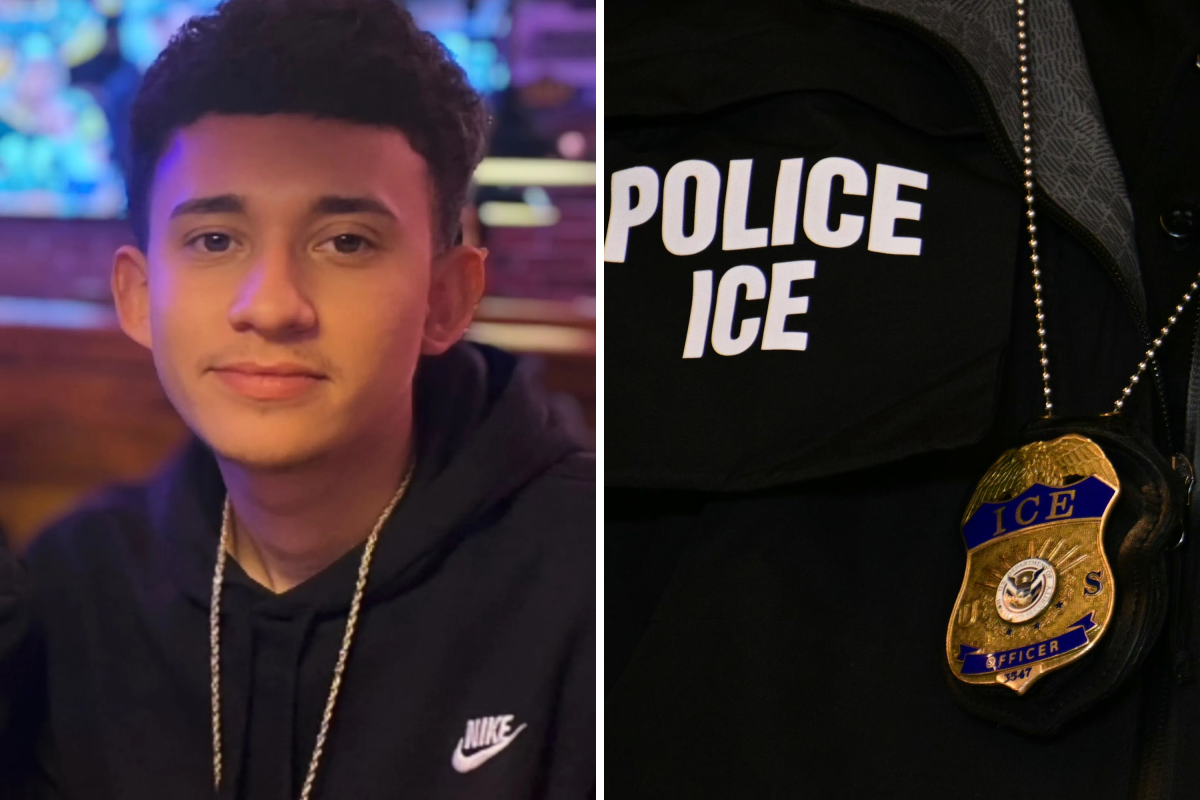
Ruben Ray Martinez, a 23-year-old U.S. citizen from San Antonio, left this world on a seemingly ordinary weekend last March, one he had planned for fun. According to his grieving mother, Rachel Reyes, Ruben and his best friend drove to South Padre Island, a carefree beach spot near the Mexican border, to celebrate his birthday in style. It was his first big outing beyond the grind of daily life—working at an Amazon warehouse, gaming with buddies, and being the humble, non-violent guy she’d always known. No run-ins with police, no trouble brewing. Reyes described him as a kind-hearted young man who deserved to live a full life, not end it tragically at the hands of a federal agent.
That fateful day, March 15, unfolded during a major car accident response where Homeland Security Investigations (HSI) agents from ICE were helping local police with traffic control. Reports indicate that as a blue Ford approached a restricted area, Ruben, behind the wheel, slowed down briefly but then accelerated, reportedly striking and pinning an agent on the hood. In that split second, fearing for lives, another HSI officer opened fire through the window. Ruben was rushed to a hospital but didn’t survive. His passenger, another U.S. citizen, faced arrest. It paints a scene of chaos, where routine assistance turned deadly.
For nearly a year, silence shrouded Ruben’s death, raising suspicions of a cover-up. Only after a Freedom of Information Act request by watchdog group American Oversight andlığın Newsweek’s reporting did the Department of Homeland Security confirm an ICE agent’s involvement. DHS portrayed it as a defensive act after Ruben “intentionally ran over” the agent, but Ruben’s family and observers questioned why details were withheld so long.
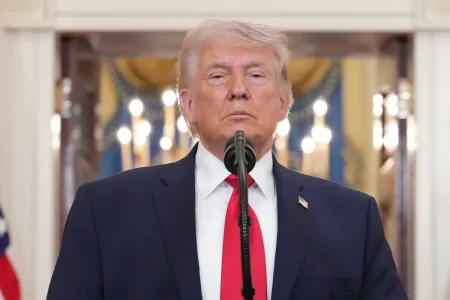
This incident stands out as the first known fatal shooting of a U.S. citizen by a federal officer amid a broader crackdown under President Trump’s second term. It echoes painful cases like Renee Good and Alex Pretti, killed in Minneapolis, where initial claims of threats by Trump officials were debunked by video evidence, fueling protests and policy shifts.
Now, voices are rising for justice. Ruben’s attorneys, Charles M. Stam and Alex Stamm, demand transparency: why was ICE there for a traffic jam, and why did an officer use deadly force? Reyes shares her heartbreak, hoping public attention helps similar families amid a national crisis. Representative Joaquin Castro calls it an eight-month cover-up by ICE and Texas DPS, pushing for a full probe. Even officials like Gavin Newsom’s team stress timely oversight, warning of unchecked federal abuses.
Looking ahead, the Texas Department of Public Safety’s Ranger Division continues investigating, but for Ruben’s loved ones, the weight of unanswered questions lingers. His story reminds us of the human cost when power and secrecy intersect, leaving a young life snuffed out without swift accountability. As Reyes fights for answers, it feels like a call to ensure no family endures this isolation again.