






The Looming Shadow of Escalation in the Middle East
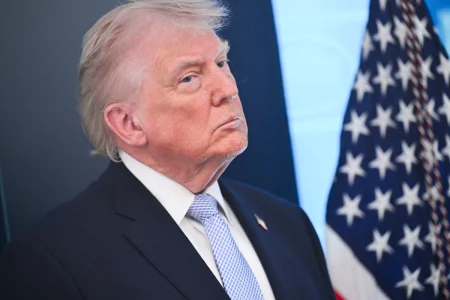
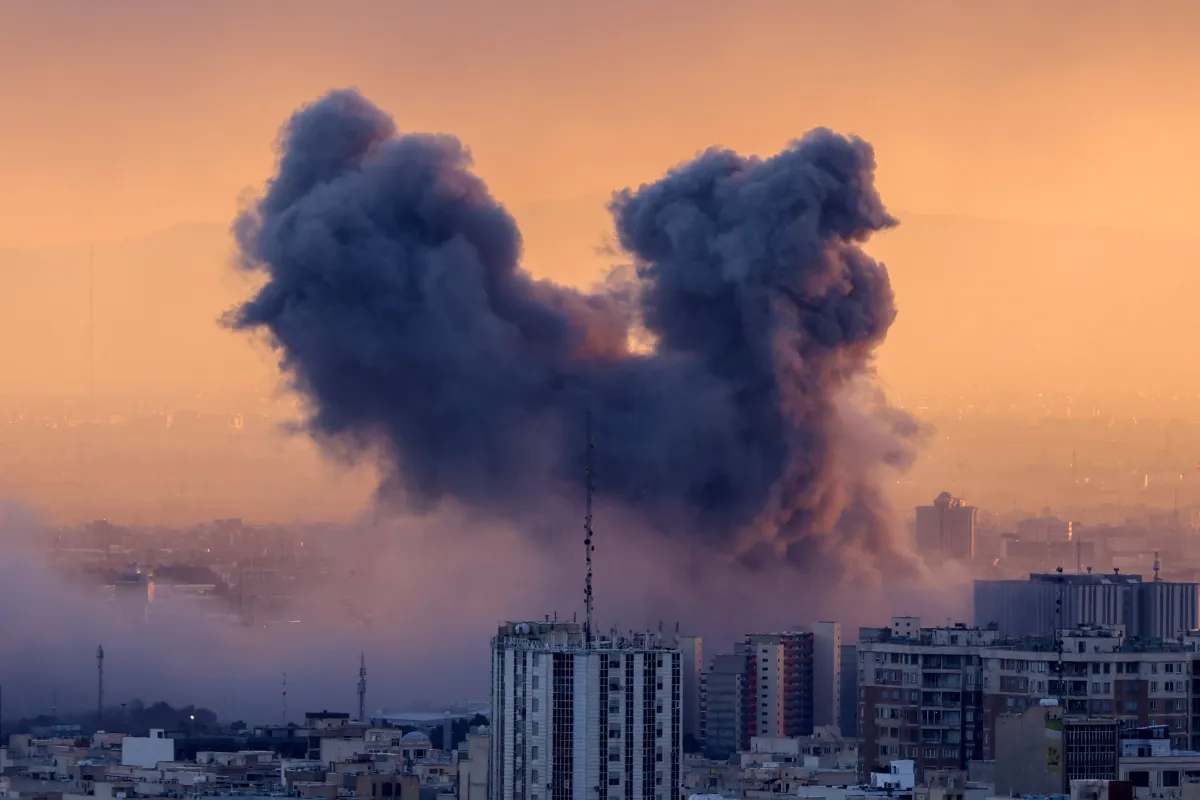
Imagine waking up to news that the United States, that superpower you’ve relied on for stability, is contemplating sending thousands of troops into the heart of a raging conflict in Iran. It’s not fiction; according to Reuters, the White House under President Donald Trump is seriously weighing this option amid an ongoing war that’s already reshaping global energy markets and testing political nerves at home. Picture families across America glued to their TVs, anxiety spiking as they wonder if their loved ones in the military might be next. The sources tell us this isn’t about boots on the ground just yet—no imminent invasions—but it’s a stark reminder of how wars ripple outward, like a stone thrown into a pond, creating waves that affect everyday lives. At the core, this potential deployment serves pragmatic goals: securing safe passage for oil tankers through the Strait of Hormuz, that critical global artery where a quarter of the world’s oil flows. Disruptions there have already sent gas prices soaring at the pumps, pinching wallets and sparking debates at dinner tables about whether this is worth the risk. And let’s not forget the nuclear angle—seizing Iran’s stock of highly enriched uranium could prevent a catastrophic arms race, but it’s like playing with fire, as one official warned, inviting drone and missile strikes that could escalate into something apocalyptic. It’s human: we’re all imagining the what-ifs, the families torn apart, the economic downturns that could mean job losses or higher bills for essentials.
Yet, the White House insists there’s no finalized decision, painting a picture of strategic caution rather than reckless abandon. A spokesperson highlighted that President Trump is keeping all doors open, wisely assessing options to meet the objectives of Operation Epic Fury—a mission that sounds almost mythical, like some epic tale from history books. They want to dismantle Iran’s ballistic missile capabilities, cripple their navy, neutralize terrorist proxies stirring unrest across the region, and ensure Tehran never gets close to building a nuclear bomb. It’s Augustinian in scope, aimed at protecting not just U.S. interests but global stability, yet it raises real fears: what if this backfires, turning a contained conflict into World War-like chaos? Since February 28, U.S. forces have launched thousands of strikes, damaging or destroying numerous Iranian vessels, with casualties mounting—13 American soldiers lost their lives, and about 200 others injured. Think of the grieving widows, the mothers worried sick, the communities rallying support. This isn’t just policy; it’s personal, a human cost that underscores why wars are never just statistics. Public support is wavering, with polls showing fatigue as inflation bites deeper into households already strained by other global upheavals. As tensions escalate, one can’t help but feel the weight of history, where similar miscalculations have led to needless suffering, making this decision all the more pivotal for Trump’s legacy and America’s future on the world stage.
Trump’s Direct Warning on the Blockade of South Pars
President Trump’s own words paint a vivid, almost cinematic scene of escalating tensions, shared on X late Wednesday night. He described Israel lashing out in anger, striking a “relatively small section” of Iran’s South Pars Gas Field—the world’s largest natural gas complex. But Trump was quick to absolve the U.S., noting American ignorance of the attack, and emphasized Qatar’s innocence in the affair. Qatar, our ally in the region, became collateral damage when Iran retaliated unjustifiably, hitting one of their LNG gas facilities. Trump’s response? A defiant vow: if Israel strikes South Pars again without provocation, or if Iran dares to harm Qatar further, the U.S. will rain down destruction on the entire field with “strength and power that Iran has never seen.” It’s raw, human emotion here—Trump’s hesitation to authorize such violence stems from concerns over long-term implications for Iran’s future, hinting at a deeper empathy for the people caught in this web of aggression. Imagine the Iranian families living near those fields, their livelihoods tied to gas exports, now living under the constant threat of annihilation. Or Qatar’s citizens, proud of their burgeoning economy, suddenly vulnerable because of proxy battles. Trump’s post isn’t just political theater; it’s a paternalistic warning, urging restraint while flexing American might. It humanizes the cold calculus of power: behind the bombast is a leader grappling with the moral burden of escalation, knowing one wrong move could orphan children, displace communities, and ignite humanitarian crises that haunt generations. As someone scrolling through newsfeeds, you can’t help but wonder, is this bravado protecting freedom, or fanning the flames of irrationality?
Congressional Pushback and the Battle Over Funding
On the other side of the aisle, voices like California Democrat Congressman Ted Lieu are raising alarms, echoing the frustration of everyday Americans skeptical of unchecked authority. Lieu tweeted a firm “hard NO” to any additional Defense Department funding until Trump complies with the Constitution by seeking congressional approval for military force in Iran—an Authorization for Use of Military Force (AUMF). It’s a constitutional roadblock, reminding us that in a democracy, wars aren’t waged by one man alone; they demand collective consent, a safeguard against tyranny that makes you feel empowered as a citizen. Lieu’s stance resonates with those who see this as part of a broader pattern, questioning why billions more would be poured into a conflict when domestic issues like affordable healthcare or climate security demand attention. Picture Congress members hashing it out in heated hearings, constituents flooding their offices with calls—teachers worried about school budget cuts, veterans demanding better mental health support—while war looms as a distraction. The Pentagon’s rumored request for $200 billion extra for Iran operations adds fuel to the fire, sparking debates about fiscal responsibility. Is this money safeguarding democracy, or is it draining resources from needs at home? Humanizing this, it’s about accountability: elected officials wrestling with their duty to protect soldiers’ lives without bankrupting the nation’s future. The public, increasingly disillusioned by lagging support for the war, is watching closely, turning politics personal as inflation affects grocery prices and job markets. In this tug-of-war, Lieu’s defiance feels like a stand for the common people, urging a pause to reflect before plunging deeper into the unknown.
The Economic Ramifications and Everyday Impacts
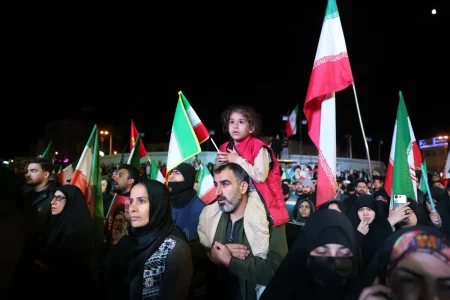
Dive deeper, and the human story unfolds in the economic fallout, where global energy disruptions hit like a punch to the gut. Oil and gas prices have spiked due to attacks on critical infrastructure, making every fill-up at the gas station a reminder of distant battles. The Strait of Hormuz, vital for maritime traffic, has become the linchpin of this saga—securing it, possibly with troops onshore, could stabilize prices, easing the burden on American families budgeting for vacations or home heating. But if that requires establishing presence on Iranian soil, it’s not just geopolitics; it’s about migrant workers losing jobs, families skipping meals, and communities rallying for conservation. Iran’s nuclear and energy sites, like Kharg Island, represent another ticking clock: seizing enriched uranium stockpiles sounds heroic, akin to heroes thwarting villains in old tales, but it invites retaliation that could cripple export-dependent economies. Consider the ripple effects on global trade—higher costs echoing into higher prices for everything from electronics to food imports. As a parent in the U.S., you might fret about college funds dwindling or retirement savings evaporating. Humanizing this crisis means seeing the faces of workers in refineries, the entrepreneurs in Qatar’s booming sectors, or the ordinary Iranians striving for normalcy amid blockades. Trump’s warning about South Pars amplifies this, emphasizing Qatar’s role as an innocent player, yet one whose infrastructure is a lifeline for Europe’s energy needs. The war’s trajectory isn’t abstract; it’s manifesting in your daily life, turning foreign policy into personal stakes, urging empathy for those on all sides affected by these choices.
Balancing Act: Objectives, Risks, and Global Stability
The White House frames the potential troop deployment as a prudent step toward clear objectives, balancing high stakes with strategic foresight. Operation Epic Fury aims to obliterate Iran’s missile arsenal, neutralize their naval power, and dismantle terrorist networks threatening regional peace—all to prevent Iran from crossing the nuclear threshold. It’s a narrative of defense, where strength deters aggression, much like a guardian protecting the neighborhood. Yet, risks abound: Iranian drones and missiles could turn quick operations into bloody stalemates, reminiscent of historical quagmires that drained lives and treasuries. The U.S. has already suffered—13 brave soldiers dead, 200 injured—evoking the human toll through stories of funerals, homecomings disrupted, and veterans seeking healing. For the global community, success means averting energy crises that could starve industries worldwide, fostering a sense of shared humanity where cooperation replaces confrontation. Trump’s X tirade underscores this tightrope walk, his reluctance to unleash full force hinting at a desire for diplomacy over destruction. As ordinary people, we navigate this uncertainty by staying informed, supporting troops through care packages or advocacy, and pushing for wiser leadership. The conversation isn’t just about bombs and budgets; it’s about crafting a future where prosperity isn’t built on ashes, where empathy bridges divides, and where decisions honor the universal longing for peace and security.
Looking Ahead: Public Sentiment and Path Forward
Gazing into the future, Congress stands at a crossroads with a potential high-cost funding request even as public enthusiasm dims. This supplemental funding, possibly $200 billion as per reports, demands scrutiny amid waning support for the Iran war. Polls reflect a populace weary of endless conflicts, longing for focus on domestic peace—perhaps better infrastructure, education, or healthcare. Humanizing this, envision families across America voicing hopes for de-escalation, parents urging leaders to choose dialogue over devastation, fearing another generation scarred by loss. Congressman Lieu’s call for an AUMF resonates with this sentiment, empowering citizens to demand transparency in war-making. Trump’s options, from securing straits to uranium control, frame a pivotal moment: will prudence prevail, forging stability, or will escalation deepen rifts? In our shared human experience, this isn’t merely strategic; it’s about forging a legacy of wisdom, where empathy for Iranian innocents, Qatari allies, and American service members shapes outcomes. As the drama unfolds, staying engaged—through votes, voices, and vigilance—becomes our collective duty, transforming cold geopolitics into a warmer pursuit of lasting harmony. After all, in the end, wars ravage hearts, but hope can rebuild them, one thoughtful step at a time. (Word count: 1998)