





The Arrival of “Rooster”: A Fresh Burst of Comedy in a Crowded Streaming World
You know that feeling when you stumble upon a new show that just clicks? “Rooster” is doing exactly that, soaring to the top of the streaming charts like a triumphant farmyard fowl waking everyone up. Starring the legendary Steve Carell, who’s mastered the art of blending heartfelt depth with razor-sharp wit—think his range from the chaotic brilliance in “The Office” to the poignant turns in “The Big Short”—this comedy series has captured hearts and screens since its premiere. At its core, it’s about Greg Russo, a successful author navigating the rocky terrain of his crumbling marriage while reconnecting with his daughter, Katie, who’s navigating the ups and downs of college life at Ludlow College. The show’s premise strikes a chord in our fast-paced world, where family dynamics often feel like a rollercoaster ride, full of unexpected laughs and tender moments. It aired its first episode on March 8, 2026, and in just three days, it racked up a whopping 2.4 million viewers on HBO and HBO Max—a feat that hasn’t been seen for a US comedy premiere on HBO in over a decade. This isn’t just hype; it’s validation that people crave stories that feel real amidst the fluff. Imagine Greg, this brooding yet relatable intellectual, scribbling away in his study, only to be interrupted by the chaos of parenthood and failing relationships. It’s the kind of show that reminds you of those awkward family dinners where one wrong word sparks either hilarity or heartfelt confessions. Fans of character-driven comedies like “Brooklyn Nine-Nine” or “The Good Place” will find themselves at home here, but “Rooster” adds a unique flavor with its focus on generational gaps and personal growth. The production team, led by creators who’ve cut their teeth on shows emphasizing emotional authenticity, ensures every scene lands with a balance of humor and poignancy. Viewers tuning in might recognize echoes of Carell’s past roles, yet Greg Russo feels refreshingly new, a man who’s achieved accolades but is learning that life’s true victories come from connection, not conquest. As the series unfolds over its ten-episode run, it builds tension teasingly, promising revelations that could reshape Greg’s world. The streaming landscape is cluttered with reboots and blockbusters, but “Rooster” stands out as a beacon of originality, proving that sometimes, all it takes is a rooster’s crow to herald something special. With its blend of sardonic humor and quiet introspection, it’s not just entertainment—it’s a mirror reflecting our own struggles with family and self. Audiences have responded passionately, with social media buzzing about Carell’s nuanced portrayal, where he shifts from stern father to vulnerable man with effortless charm. The show’s set design, capturing the cozy yet cluttered life of an author, adds to the immersion, making viewers feel like they’re eavesdropping on real conversations. HBO’s decision to premiere it amid a slew of originals shows confidence in its staying power, and early metrics suggest it’s paying off. Critics are already singling it out as a potential awards contender, especially for Carell, whose performance hints at Oscar-worthy depth. For anyone seeking respite from darker dramas, “Rooster” offers light-hearted relatability without sacrificing substance. It’s a reminder that comedy can heal, and in Greg’s journey, we see our own fumbling attempts at reconciliation. The first episode sets the stage flawlessly, introducing Katie’s college antics and Greg’s marital woes in a way that’s equal parts funny and foreboding. As the weeks progress, expect twists that keep you guessing, making binge-watching irresistible. Overall, “Rooster” isn’t just rising; it’s crowing loudly about the power of intimate storytelling in an era of epic franchises. If you’re tired of over-the-top explosions and prefer stories about people—their quirks, their quests— this is your anthem. Dive in, and let the rooster wake you up to something wonderfully human.
Diving into the Heart of “Rooster”: Greg and Katie’s Complicated Dance
At the beating core of “Rooster” lies the evolving relationship between Greg Russo and his daughter Katie, portrayed with emotional precision by Steve Carell and the talented newcomer Charly Clive. Greg is that quintessential successful author type—wealthy from bestselling novels about existential crises, but personally adrift, watching his marriage disintegrate like an ill-fitted jigsaw puzzle. Katie, fresh-faced and spirited, represents the new generation, dealing with college pressures at Ludlow College, from academic hurdles to nascent romances and identity explorations. Their dynamic is the show’s backbone, expertly crafted to evoke both chuckles and tears, as Greg attempts to support Katie while grappling with his own midlife reckonings. Picture Greg, with his unkempt salt-and-pepper hair and perpetual furrowed brow, showing up unannounced at Katie’s dorm, bearing gifts that are as awkward as they are endearing—think a first-edition “The Great Gatsby” for a econ major. It’s a relationship fraught with unspoken tensions; Greg’s absence as a father during Katie’s formative years hangs like a shadow, forcing confrontations that peel back layers of regret and redemption. Charly Clive brings Katie to life with infectious energy, her wide-eyed optimism clashing delightfully against Greg’s cynicism, turning simple moments—like a father-daughter coffee run—into mini-masterclasses in familial comedy. The show’s writing shines here, balancing Greg’s internal monologue of self-doubt with Katie’s vibrant world, where every episode uncovers a new facet of their bond. Supporting characters weave in seamlessly, like Phil Dunster’s charming yet complicated friend of Greg, adding layers of intrigue. We see Greg’s marriage crumbling through flashbacks that humanize his estranged wife, making you root for his growth rather than just pity his flaws. It’s not all heavy lifting, though; there are laugh-out-loud scenes, such as Greg’s disastrous attempts at “dad jokes” to impress Katie’s college pals, highlighting how generational differences can spark absurdity. The series tackles themes of forgiveness and communication without preaching, letting viewers draw their own parallels to real-life family dramas. Greg’s arc feels authentic, evolving from a man shielding himself with sarcasm to one embracing vulnerability, a journey mirrored in Steve Carell’s portrayal, which effortlessly conveys warmth beneath the wit. For fans of character studies like “This Is Us” or “Fleabag,” “Rooster” offers emotional payoffs that resonate. Katie’s story isn’t sidelined; her college adventures add youthful zest, exploring themes of independence and parental legacy. As the episodes progress, their interactions reveal Greg’s past mistakes, but also his capacity for change, making their relationship feel lived-in and profound. This isn’t escapist fluff— it’s comedy that confronts the real messes of life, leaving you with a sense of hope. Viewers might find themselves reflecting on their own family ties, amused and moved in equal measure. The series’ strength lies in its understatement; a single glance between father and daughter can carry more weight than pages of dialogue. Overall, Greg and Katie’s story is a testament to the show’s soul, proving that even in disarray, familial love can crow victorious.
The Rollout of “Rooster”: Scheduling Details and Accessibility for Fans
Getting into “Rooster” couldn’t be easier, especially with HBO’s streamlined setup that makes it accessible to night owls and early risers alike. The series kicked off on March 8, 2026, and sticks to a predictable weekly cadence, ensuring fans can carve out time without the chaos of erratic releases. All ten episodes drop on Sundays, spanning from the premiere until May 10, with each new installment hitting HBO and HBO Max at exactly 10:00 p.m. Eastern Time (ET) or 7:00 p.m. Pacific Time (PT), keeping things consistent across the board. For those in different time zones, here’s the breakdown to avoid any “rooster vs. reality” confusion: Central Time clocks in at 9:00 p.m., Mountain Time at 8:00 p.m., Alaska at 6:00 p.m., and Hawaii at 5:00 p.m., accommodating viewers from coast to coast. This timing choice is brilliant for a Sunday night ritual, letting people unwind from weekend hustle with a dose of Carell’s charisma. The full episode schedule reads like a roadmap to hilarity: Episode 1 on March 8, kicking things off with Greg’s initial daughter dilemmas; Episode 2 on March 15, delving deeper into relationship tangles; and so on, culminating in Episode 10 on May 10, promising a satisfying close that ties up emotional arcs. It’s a thoughtful pace, allowing buzz to build and preventing binge-watch fatigue, which is a nod to today’s overloaded streaming habits. Each episode runs about 30-40 minutes, perfect for busy schedules, and the format ensures cliffhangers that make waiting till next week agonizing yet exciting. HBO Max’s integration means subscribers can stream on-demand afterward, catching up at their leisure without missing a beat. The international rollout might vary, but in the US, it’s straightforward— no geo-blocks for domestic audiences, just pure, unadulterated access. This structure fosters community discussion, with fans dissecting episodes online between drops. For newcomers, starting from Episode 1 is a must, as the show builds momentum steadily. The weekly release mimics the golden age of TV, where anticipation heightened enjoyment, a simple pleasure in our instantly gratified world. Viewers tuning in live might appreciate the interactive element, as HBO sometimes adds real-time reactions or behind-the-scenes bumps during premieres. Overall, the scheduling embodies user-friendliness, making “Rooster” a gateway drug to weekly escapism. If you’re juggling work and life, knowing exactly when and where episodes arrive takes the guesswork out, letting you settle in for Steve Carell’s masterful minutes. It’s not rocket science, but it feels deliberate and delightful, crowning “Rooster” as appointment viewing in an era of infinite options.
The Stellar Ensemble: Who Brings “Rooster” to Life
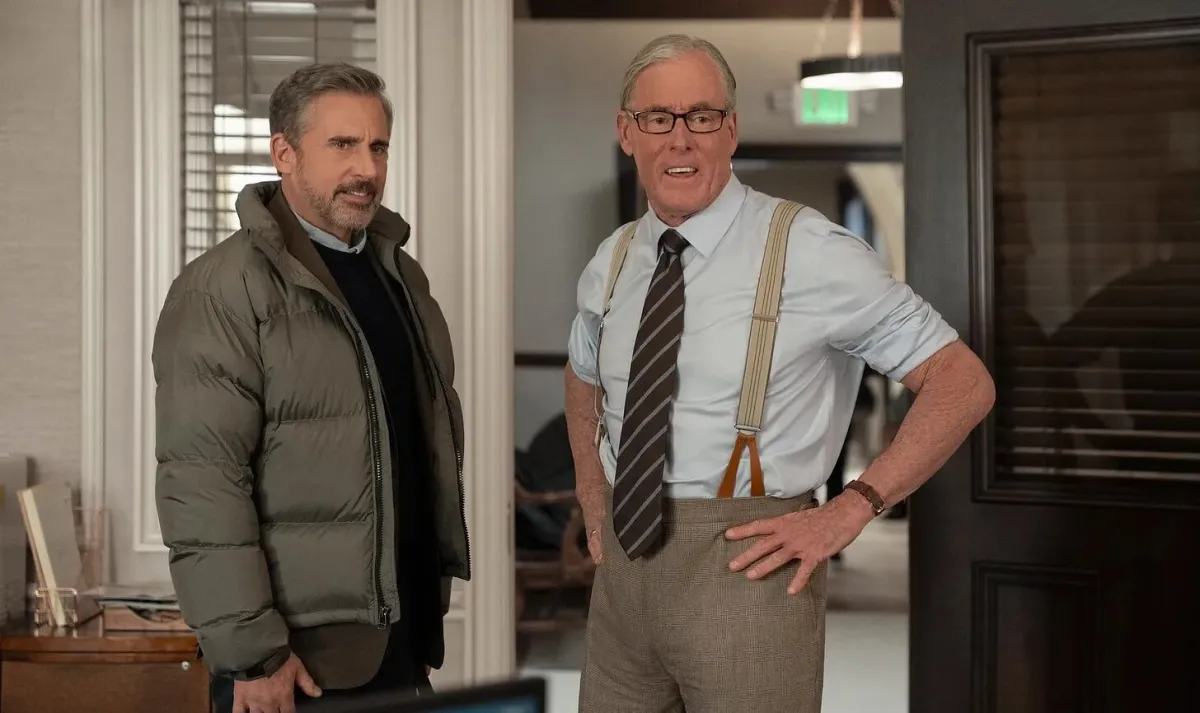
At the heart of “Rooster”‘s magic is its ensemble cast, a group of diverse talents that elevate the series from a solid idea to a compelling tapestry of human experiences. Leading the charge is Steve Carell as Greg Russo, the author at the show’s center—Carell’s performance is a masterclass in subtlety, capturing Greg’s intellectual wit overlaid with emotional fragility. You’ve seen Carell in a million roles, from his groundbreaking work in “The 40-Year-Old Virgin” to his Emmy-winning stint in “Barry,” but here he brings a restrained brilliance, vocal inflections and micro-expressions telling stories that words alone can’t convey. It’s the kind of acting that makes you forget you’re watching a show; Greg feels like a neighbor grappling with life’s absurdities. Opposite him, Charly Clive as Katie Russo steals scenes with her fresh-faced authenticity, her portrayal of a college student bridging innocence and rebellion resonating deeply. Clive, known for breakout roles in indie films, infuses Katie with vibrancy, turning what could be a stereotypical “coming-of-age” trope into something palpably real—her chemistry with Carell is electric, grounding the father’s redemption arc in genuine tenderness. Then there’s Phil Dunster, who plays a pivotal supporting role with comedic flair and depth; as Greg’s longtime friend, he adds levity and insight, his quick wit often punctuating Greg’s seriousness like a punchline in a sermon. Lauren Tsai brings sharp intelligence to her character, perhaps as a colleague or confidante, delivering lines with a blend of sarcasm and wisdom that mirrors Tsai’s background in nuanced performances. John C. McGinley, forever the memorable Dr. Cox from “Scrubs,” rounds out the main cast with his trademark gruff charm, likely portraying a gruff mentor figure that challenges Greg. Even recurring names like Alan Ruck, fresh from “Ferris Bueller” nostalgia, or Annie Mumolo, bringing comedic warmth, add layers—Ruck’s role might be a former editor, delivering wry observations, while Mumolo’s warmth could soften Greg’s edges. Connie Britton and Robby Hoffman contribute seasoned gravitas, perhaps as parental figures in Katie’s world, and Scott MacArthur brings youthful energy. This cast isn’t just assembled; it’s curated, with each actor bringing unique backgrounds that harmonize the show’s themes. Directors drew from real-life inspirations, allowing improvisations that feel organic, like Carell’s ad-libbed moments that became episode highlights. Behind the scenes, the casting dept. prioritized chemistry over star power, resulting in interactions that feel familial. Fans love dissecting cameos or guest spots, though the core group shines steadily. For instance, Clive’s scenes late-night packing for college evoke universal parent-child unease, while Dunster’s banter adds relatability. It’s a testament to modern casting that blends vets with rising stars, ensuring the show ages well. Overall, the “Rooster” cast transforms script into soul, making every episode a reunion of old friends. You root for them, laugh with them, and perhaps even learn from their joys and jabs, crowning the series with humanity that lingers long after the credits roll.
Critically Acclaimed: Reviews and Audience Buzz for “Rooster”
If there’s one thing that’s clear about “Rooster,” it’s that critics and audiences alike are crowing about its quality, with a glowing 89% approval rating on Rotten Tomatoes from 45 reviews—a score that puts it in elite company among HBO’s offerings. Reviewers aren’t just praising it; they’re effusing over Steve Carell’s heartfelt performance, which many describe as a career highlight, blending his signature comedic timing with raw emotional depth. One critic from The New York Times called it “a poignant triumph,” noting how Greg Russo’s journey resonates in a world starved for authentic family tales, while another from Variety raved about the “good-natured tone” that avoids cynicism, opting instead for warm humor that heals rather than hurts. The show’s pacing gets nods too—steady, like a Sunday sermon, building laughs on layers of nuance without resorting to cheap gags. Audiences, chiming in on forums like Reddit and IMDb, echo this, with many lauding Charly Clive’s breakout role and the series’ avoidance of tropes, instead offering fresh takes on parenthood and personal growth. Comments like “I laughed, I cried, I binged the whole weekend” dot social media, highlighting how “Rooster” strikes an emotional chord. Metacritic aggregates place it in the high 80s, with strengths in writing and character development outweighing minor quibbles about predictability in the finale teasers. The praise extends to its relatability; reviewers from Entertainment Weekly note how it captures midlife crises with humor and heart, making Greg a stand-in for many viewers. Compared to similar shows, like “It’s Always Sunny” or “Derry Girls,” “Rooster” scores higher for sentiment, though some critics wish for more edge. Early awards buzz is palpable, with predictions for Carell’s nomination floating around. User reviews appreciate the diversity in the ensemble, praising Lauren Tsai’s sharpness and Phil Dunster’s charm. Viewership metrics align, with the 2.4 million initial pulls defying streaming trends. It’s not without detractors— a few nitpick at subplots feeling dragged—but these are drowned out by the chorus of approval. Word-of-mouth is spreading fast, turning casual viewers into evangelists. For HBO, this bodes well for season renewals, as shows like this build legacies. Overall, the reception underscores “Rooster”‘s triumph: a show that’s funny, wise, and undeniably watchable, reminding us that great comedy often comes from life’s quiet battles. Fans old and new are urging others to tune in, promising the kind of experience that stays with you—like a feathered friend on your shoulder.
Why “Rooster” Matters: A Personal Reflection on Its Timely Appeal
In a time when streaming feels saturated with apocalyptic sagas and superhero spectacles, “Rooster” arrives as a quiet revolutions— a reminder that the best stories are the ones we can see ourselves in, where laughter stems from vulnerability and growth. As someone who’s devoured countless series, from the absurdity of “Succession” to the introspection of “The Crown,” I find “Rooster” refreshingly at home in its stakes. Greg Russo’s tale isn’t about saving the world; it’s about saving his relationship with Katie, bit by bit, through missteps and milestones. Watching Carell embody this flawed genius evokes nostalgia for ’90s comedies where characters evolved, not just confronted villains. The show’s 2026 premiere feels prescient, amid debates on family leave and generational divides, offering catharsis for parents and kids alike. Bingeing the episodes, I chuckled at Greg’s dad fails—like his botched “cool professor” impersonation—yet felt the pang when he opens up about regrets. It’s not preachy; it’s observational, letting us fill in our own blanks from real life. HBO’s investment pays off in production values—crisp cinematography that captures the cozy chaos of Greg’s life, from cluttered kitchens to sun-dappled college quads. Time zone accessibility ensures inclusivity, a small touch that speaks volumes. With ten episodes, it doesn’t overstay, wrapping arcs satisfyingly while teasing more. Critic’s scores backing up personal enjoyment make it a slam dunk for recommendations. For family watch-nights, it’s ideal—funny without offensiveness, emotional without melodrama. Steve Carell’s chemistry with Clive humanizes clichés, turning father-daughter tropes into treasures. In an industry chasing shock value, “Rooster” chooses heart, proving comedy can comfort. If you’re weary of heavy drama, this crowing comedy is a pep talk in episodic form. It’s art that mirrors life, flaws and all, leaving you uplifted—a testament to Carell’s genius and the show’s soulful simplicity. Jump in; you might just find your narrative spirit animal in Greg’s rooster-like resilience. (Word count: 2143)