


Warriors’ Rocky Start: Stars, Tensions, and the Need for a Big Man
In the aftermath of a promising 48-win season that saw them reach the second round of playoffs in 2024-25, the Golden State Warriors have stumbled into mediocrity to begin their 2025-26 campaign. The team’s struggles can be traced back to a puzzling offseason decision by team president Mike Dunleavy Jr., who opted against acquiring a traditional veteran center. Coach Steve Kerr’s strategy to play 6-foot-6 Draymond Green as a small-ball center has yielded mixed results, while 39-year-old Al Horford has underperformed off the bench. Young centers Quinten Post and Trayce Jackson-Davis simply lack the strength and physical presence needed to anchor the position effectively as starters.
This frontcourt deficiency has forced the Warriors to rely heavily on their aging stars – 35-year-old Draymond Green, 36-year-old Jimmy Butler, and 37-year-old Stephen Curry. Though all three are likely future Hall of Famers, the burden placed on them has proven excessive. The strain has manifested in visible tensions, particularly between Green and Kerr, whose fiery relationship has occasionally boiled over into public view. Green’s history of conflicts is well-documented – from sideline arguments with teammates to his infamous punch of then-teammate Jordan Poole during a practice session, which ultimately led to Poole’s departure from the team.
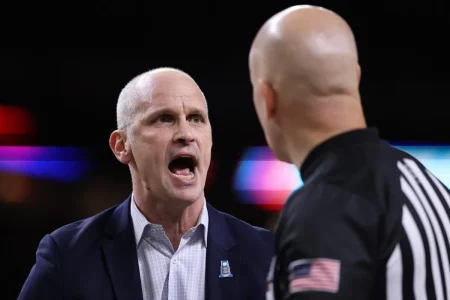
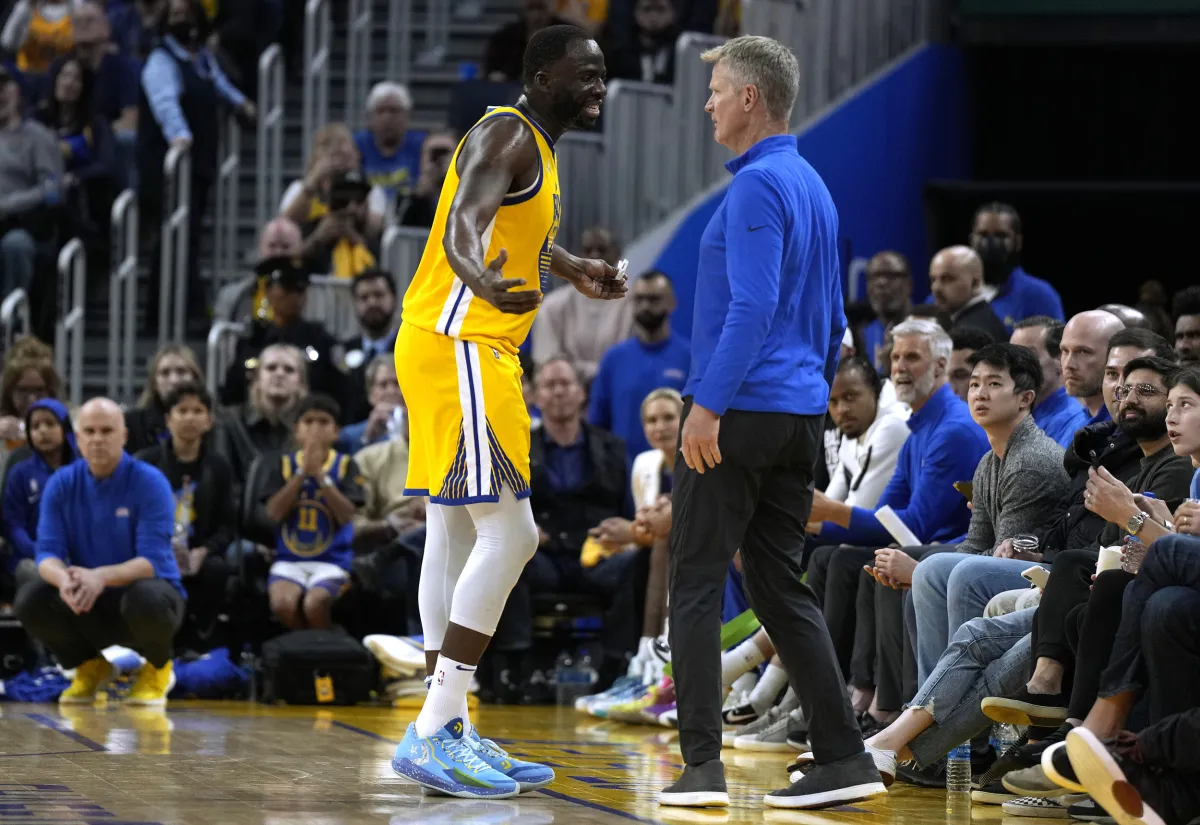
The most recent public incident occurred during what should have been a celebratory moment – a commanding 120-97 victory over the Orlando Magic on December 22. Instead of basking in the triumph over one of the Eastern Conference’s top teams, the Warriors found themselves dealing with another Green-Kerr confrontation. During a timeout, the two engaged in a heated exchange that culminated in Green abandoning the bench and retreating to the locker room, creating an unnecessary distraction during an otherwise successful game.
Kerr later provided context for the incident on “The Tom Tolbert Show,” explaining that he had called a timeout after noticing the team losing focus, with Green engaged in a prolonged conversation with officials. Having witnessed Green’s ejection the previous night, Kerr repeatedly called Green’s name to direct him back to the huddle. However, Green misinterpreted Kerr’s intentions, believing the coach was criticizing him for a recent turnover. The misunderstanding escalated quickly, with both men exchanging sharp words that spiraled into a full-blown argument. Kerr admitted his own culpability, acknowledging that he should have recognized Green’s frustration and served as “the calming force” rather than contributing to the tension.
Green offered his own perspective on the incident, stating simply that “tempers spilled over” and he believed removing himself from the situation was the best course of action, as he didn’t see it improving. Teammates Jimmy Butler, Al Horford, and Buddy Hield checked on Green during his third-quarter absence, and he eventually returned to the bench for the fourth quarter, though Kerr did not reinsert him into the game. The incident underscores the complex dynamic between two passionate personalities who have managed to coexist since the 2014-15 season, collaborating on six NBA Finals appearances and four championships despite their occasional clashes.
Currently holding an 18-17 record and sitting as the eighth seed in the Western Conference, the Warriors face a crossroads in their season. The solution may lie in addressing their most obvious weakness through a trade for a legitimate center. Such a move could not only improve their competitive standing but potentially reduce the friction that leads to sideline confrontations. As the season progresses, Golden State’s ability to address their roster deficiencies and manage the Green-Kerr relationship may well determine whether they can recapture their championship form or continue their slide into mediocrity.