


Warriors at a Crossroads: Steve Kerr’s Uncertain Future Mirrors Team’s Struggles
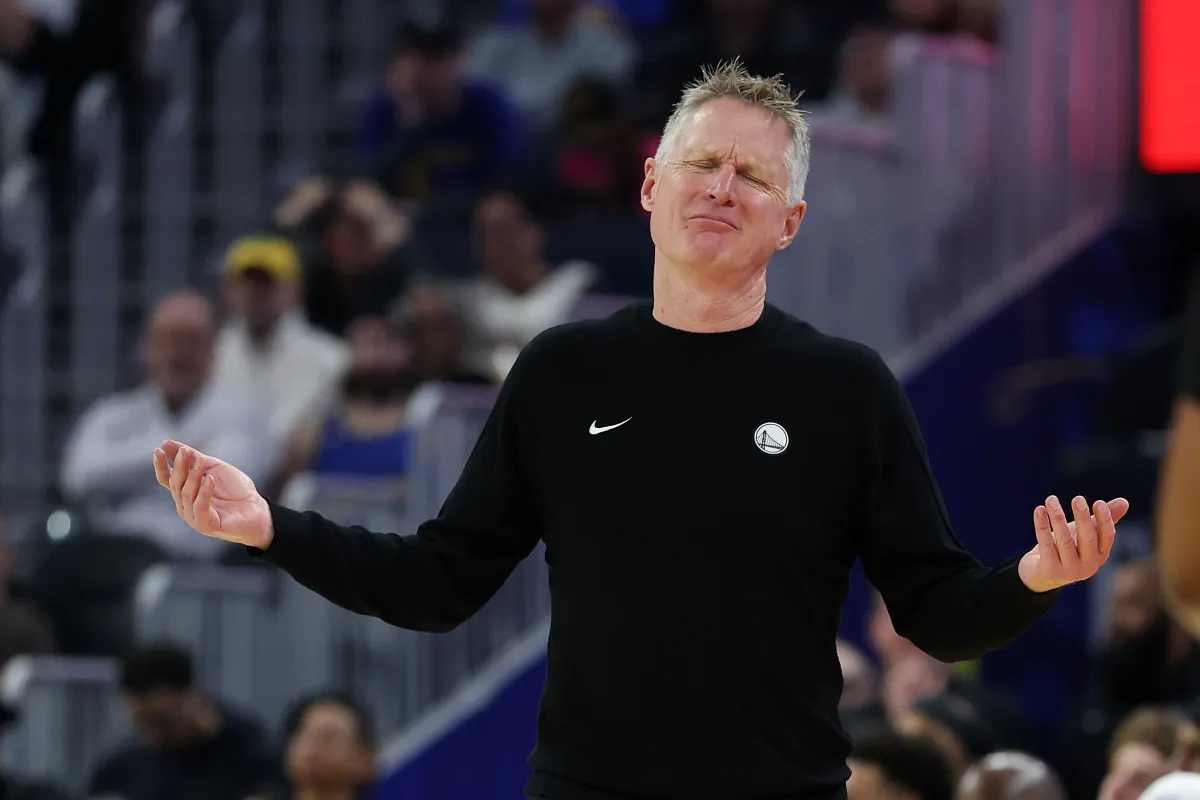
The Golden State Warriors, architects of one of basketball’s most remarkable dynasties, find themselves navigating treacherous waters midway through the 2023-24 season. With a respectable 25-20 record that belies deeper organizational questions, the team faces a pivotal moment that extends beyond the scoreboard. At the center of this uncertainty stands Steve Kerr, the architect of four championship runs whose contract expires after this season with no extension in sight. What was once a foregone conclusion – that Kerr would remain at the helm for as long as he desired – has evolved into something far more complicated, reflecting the natural evolution of a dynasty confronting its mortality.
The situation intensified this week following Jimmy Butler’s devastating torn ACL, which effectively ended not just his season but perhaps the Warriors’ legitimate championship aspirations. This injury represents more than just the loss of a key player; it symbolizes the fragility of Golden State’s current construction and timeline. In the aftermath, a revealing report from Logan Murdock of The Ringer has shed light on behind-the-scenes preparations that speak volumes about organizational expectations. According to Murdock, multiple assistant coaches are “operating under the premise that [Kerr] will not return next season” and have begun surveying other opportunities across the league. This kind of preliminary preparation from Kerr’s staff suggests an internal understanding that significant change may be imminent, despite the public-facing statements suggesting business as usual.
The coaching carousel has already begun spinning around Golden State in recent years, with high-profile departures like Kenny Atkinson to Cleveland and Chris DeMarco to the New York Liberty indicating a gradual dispersal of the coaching brain trust that helped build the Warriors’ championship culture. While these departures might be viewed as natural career progression for talented assistants, the context of Kerr’s contract situation transforms them into potential harbingers of broader organizational change. The disconnect between public and private messaging creates an unavoidable tension. Warriors president of basketball operations Mike Dunleavy has maintained that Kerr can coach “as long as he wants,” characterizing the situation as dependent primarily on Kerr’s personal desire to continue. Yet the behavioral evidence – coaches seeking new opportunities, the absence of extension talks – suggests a different reality may be unfolding behind closed doors.
The Warriors’ season has unfolded as a rollercoaster of promise and disappointment. The team entered this week riding a four-game winning streak and had won seven of their last ten games, suggesting a potential turnaround that could solidify their playoff positioning. Butler’s injury abruptly halted this momentum, with the team responding with a deflating home loss to the Toronto Raptors in their first game without him. This pattern of one step forward, two steps back has characterized much of the post-dynasty Warriors experience – flashes of brilliance undermined by injury, inconsistency, or roster limitations. The organization now faces profound questions about its identity going forward: Can they retool around an aging Curry and Green? Is Jonathan Kuminga, perpetually mentioned in trade rumors, part of the future or merely an asset? And perhaps most poignantly, is Kerr the right coach to guide them through whatever comes next?
The personal dynamics cannot be overlooked. Kerr and Curry have expressed mutual admiration and a desire to finish their NBA journeys together, creating a narrative of loyalty that has helped define the Warriors’ culture. “I want to coach here as long as Steph is here,” Kerr stated previously, while acknowledging that their contract situations don’t precisely align. This emotional connection adds layers of complexity to any potential separation. The decision becomes not merely a matter of basketball strategy but one of legacy management. How does an organization respectfully transition away from the coach who helped deliver unprecedented success? Or conversely, how might Kerr himself determine that the time has come to step away from a situation that no longer resembles the championship environment that once thrived under his guidance?
As the Warriors progress through the remainder of this season, every game, every press conference, and every front office move will be scrutinized through the lens of Kerr’s future. What once appeared to be a straightforward “year-to-year” approach has transformed into something far more tenuous – perhaps even “week-to-week.” The uncertainty extends beyond just coaching to encompass the entirety of the Warriors’ identity moving forward. Whether this culminates in a quiet reset with Kerr at the helm, an amicable parting of ways, or something in between remains to be seen. What stands undeniable is that Golden State has reached an inflection point where difficult decisions await. For a franchise and coach that redefined basketball excellence together, finding the appropriate conclusion to this chapter may prove to be one of their most challenging undertakings yet – one that will shape both their individual legacies and the future direction of a once-dominant organization now standing at the crossroads.