





As the sun dipped below the horizon on a typical Sunday evening in the American heartland, pockets of the Southern and Central Plains braced for a tumultuous night ahead. The National Weather Service’s Weather Prediction Center issued a stark warning, alerting residents from the rolling prairies to the bustling cities that strong to severe thunderstorms were barreling in, laden with heavy downpours capable of turning tranquil landscapes into raging torrents. Imagine families hunkering down in their homes, peering out windows at darkening skies, wondering if their evening plans would dissolve into chaos. For many, this wasn’t just another weather advisory—it was a reminder of nature’s unpredictable fury, especially in central Texas, where the threats promised to linger into Monday morning, as a low-pressure system danced unpredictably along a frontal boundary. Tornadoes loomed like hidden threats, hailstones the size of softballs could pummel rooftops and cars, and damaging winds threatened to uproot trees and shatter windows. Most ominously, flash flooding reared its head, a silent killer that could swell rivers and creeks in mere minutes, sweeping away everything in its path. Amid this brewing storm, the WPC emphasized the dangers of excessive runoff, where poor drainage in urban areas or rolling hills could amplify the nightmare, transforming simple rainfall into catastrophic disasters. People living in these regions felt a familiar knot in their stomachs, recalling how swiftly the weather could turn, how one moment, the world seems peaceful, and the next, it’s unrecognizable. This wasn’t hyperbole; it was a call to action, urging neighbors to check on elderly relatives, secure loose items, and prepare emergency kits. For those attuned to the rhythms of the Plains, it stirred memories of past upheavals—storms that tested human resilience and exposed the fragility of life in these wide-open spaces.
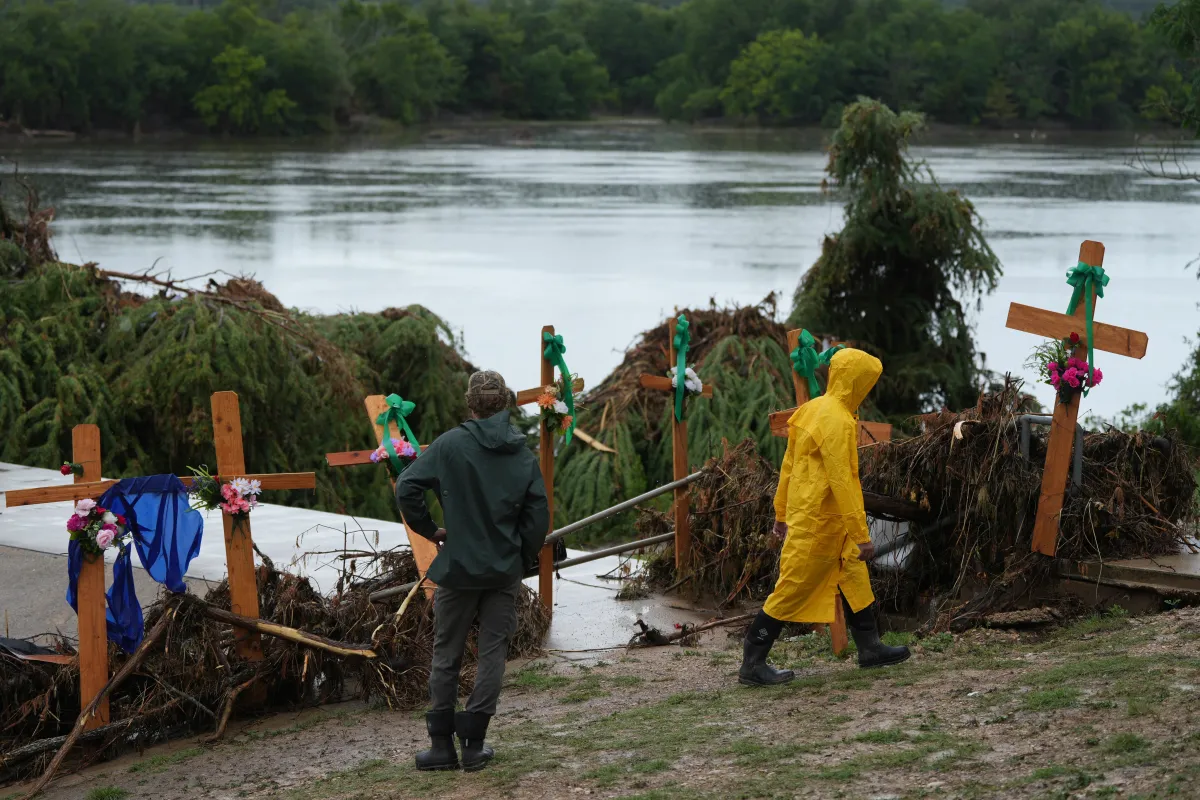
But for residents of central Texas, particularly in the enchanting yet perilous Hill Country, these warnings carried a heavier weight, echoing the ghosts of tragedies past. On that fateful July 4th, 2025, what started as a festive holiday morphed into a night of unimaginable horror when the Guadalupe River unleashed its wrath in a flash, killing at least 129 people and leaving 166 others missing, their fates shrouded in the swirling waters. Picture the scene: Campers and revelers along the river’s banks, enjoying barbecues and fireworks under a clear sky, blissfully unaware that rain upstream would cascade down with deadly speed. Rivers like the Guadalupe, known for their scenic bends and rapids, can rise meters in hours, carving out chasms where homes once stood. That night, the water’s ascent was extraordinary, surging overnight and overwhelming communities from Hunt all the way to Kerrville. Homes were ripped from foundations, cabins at summer camps floated away like flimsy boats, and vehicles became mere driftwood in the torrent. Flash flood warnings blared in the early morning, including a rare emergency alert that begged people to evacuate, but by then, the damage was done. State officials documented the chaos in timelines that read like a horror script—warnings ignored or received too late, response teams scrambling in the dark. For survivors, it was a lesson etched in loss, a reminder that in places where rivers run deep and hills amplify every drop of rain, complacency could cost lives. The Hill Country’s history, dotted with such events, painted a grim picture for those facing similar forecasts, where the terrain itself seemed complicit in the danger, funneling water into narrow corridors like traps waiting to spring.
What haunts the memory most are the human faces behind the numbers, especially the 29 souls lost at Camp Mystic, a cherished Christian summer camp for girls nestled along the Guadalupe’s banks. Twenty-seven campers, two counselors, and the camp director vanished in the night, their screams likely drowned out by the roaring waters that engulfed the idyllic retreat. Imagine the innocence of children laughing around campfires just hours before, unaware that the peaceful river they splashed in could become a monster. Cabins designed for faith and fun were reduced to splinters, swept downstream with belongings and dreams. Families across the nation mourned, grappling with the “why” amid the “what”—why did the waters rise so swiftly, and why weren’t safeguards stronger? The tragedy underscored the vulnerability of youth in these areas, where negligence could turn a routine outing into a permalink heartbreak. Experts have since pointed out that such flash floods in Texas’s Hill Country aren’t anomalies; they’re amplified by urban sprawl, deforestation, and climate changes that make rainfall more intense. For parents recalling that July night, every thunderclap now brings flashbacks—the frantic calls to campers, the empty bunks—and a renewed commitment to vigilance. It humanizes the weather’s wrath, transforming statistical reports into stories of shattered lives, urging communities to demand better infrastructure and preparedness from leaders who’ve seen too many preventable losses.
In the face of this looming threat, authorities across multiple counties sprang into action, activating emergency management systems with a sense of urgency born from bitter experience. Guadalupe and Gonzales counties, perched east of San Antonio, led the charge, their officials posting urgent alerts on social media, pleading with residents to heed the warnings. “Be aware of your surroundings and do not drive on flooded roads,” they implored, emphasizing that even familiar paths could become deathtraps, where water hides unseen depths beneath the surface. Kerr County, scarred by the 2025 floods, echoed this message, noting a heightened risk where rainfall could exceed two inches per hour—a rate that turns earth into mudslides and streets into rivers. Facebook posts from local agencies buzzed with earnest advice: “This pattern will continue through early next week, so please stay weather aware!” It felt personal, like neighbors sharing wisdom over a backyard fence. Families stocked up on batteries, checked flood insurance, and made evacuation plans, while schools and businesses canceled events preemptively. In Kingston and surrounding areas, volunteers monitored river gauges, their heartache from past disasters fueling their resolve. This proactive stance wasn’t just bureaucratic; it was born of empathy, recognizing that every life saved is a victory against the elements. For those living in these heartland locales, it fostered a communal spirit—a shared vigilance that bonded strangers in the face of relentless skies.
Yet, as the investigations into Camp Mystic unfolded, the human element deepened, revealing layers of accountability beyond the weather itself. Earlier this month, the Texas Department of Public Safety confirmed that Texas Rangers were assisting the Department of State Health Services in probing complaints of neglect at the camp, signaling a potential criminal probe under the law. Former Bexar County District Attorney Nico LaHood voiced concern, describing possible charges like injury to or endangering a child, depending on what the findings unearthed. This scrutiny shone a light on broader questions: Were camp officials negligent in monitoring threats? Did outdated emergency plans fail the vulnerable? Victims’ families, grappling with grief, may find some solace in justice, but it also ignited debates about oversight in nature-based activities. Critics argued that camps and event organizers need stricter protocols—real-time radar checks, mandatory drills, and quicker evacuations. It humanized the tragedy, transforming abstract loss into a call for reform, where the Rangers’ involvement represented not just law enforcement, but a fight for accountability. In conversations across Texas, people shared stories of other close calls, reinforcing that while weather is unforgiving, human errors can compound the devastation, urging a culture of precaution.
Looking ahead, the National Weather Service’s advisories painted a broader canvas, extending the threats eastward across the Upper Midwest and Great Lakes by Monday night into Tuesday morning. “Life-threatening flooding is possible somewhere in the watch area,” NWS warnings ominously stated, envisioning creeks bursting their banks and urban zones turning into hazardous quagmires. Environments meant for leisure—parks, riversides—became perilous zones, where a family picnic could end in peril. As communities in these regions prepared, the lessons from Central Texas resonated: Hail the size of oranges could dent hopes and homes, winds could topple lives, and storms could unite or divide. Authorities urged preparedness, reminding us that awareness isn’t paranoia—it’s prudence. In a world where climate extremes are the new norm, people from plowed fields to city centers felt a collective resolve to adapt, to build resilient homes, and to cherish the moments between storms. Ultimately, this weather dance isn’t just about survival; it’s about connection—the way a storm can remind us of our shared humanity, prompting acts of kindness, vigilance, and hope for clearer skies. As Texans and Plains dwellers alike tuned into forecasts, they carried forward the echoes of the Guadalupe, determined to write a new chapter of resilience, where preparation outweighs peril. (Word count: 2004)