



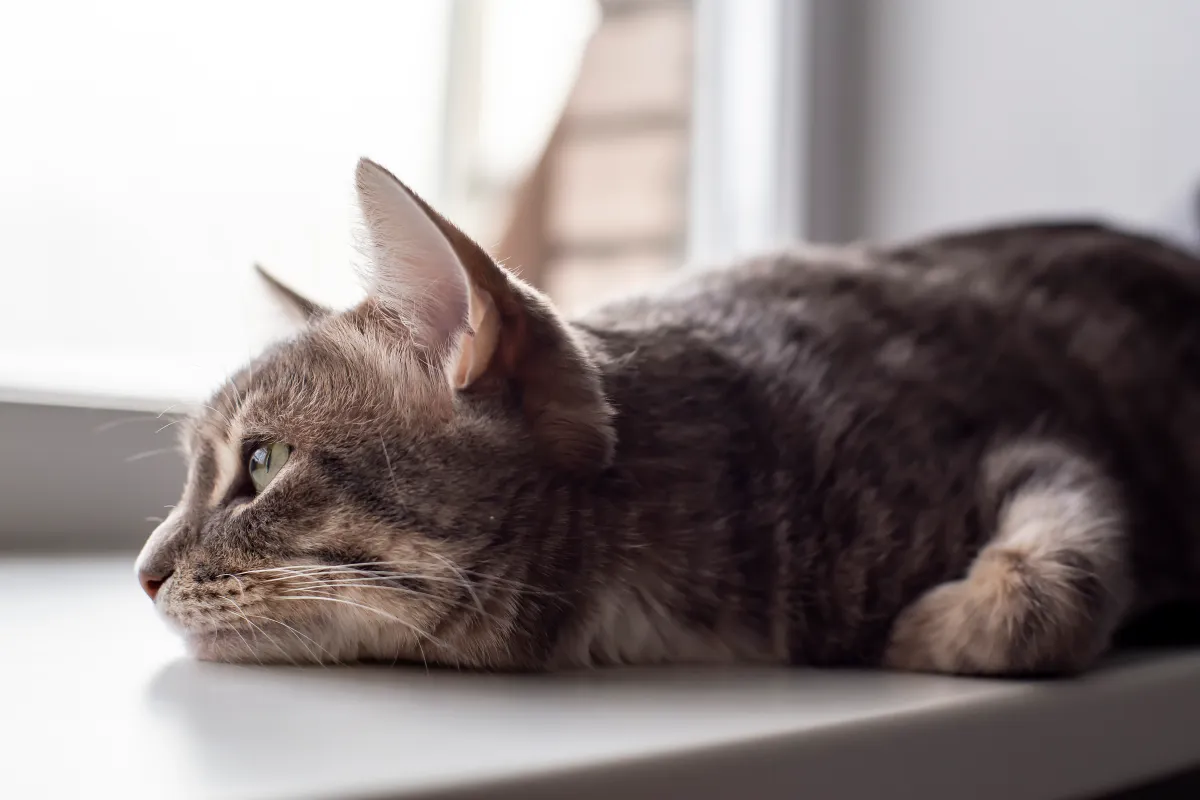
The Enduring Memory of Cats: How Our Feline Friends Remember Us
Cats often get labeled as independent creatures who couldn’t care less about their human companions, but science tells a different story. Far from the aloof creatures of popular imagination, cats possess remarkably complex memory systems that allow them to form deep bonds with their owners. Their memories aren’t simply visual recognition of faces; they’re intricate tapestries woven from sights, sounds, smells, and daily routines that create a sense of security and belonging. Jane Davidson, a registered veterinary nurse from England, explains this complexity: “Cats’ memories are layered across the physical space they are in, the sights, sounds and smells as well as the routines kept.” This multi-dimensional memory system allows cats to form lasting impressions of the people and environments that matter to them, creating bonds that persist even through periods of separation.
Research from the Center on Autobiographical Memory Research at Aarhus University in Denmark supports this understanding of feline memory. In a study surveying 375 pet owners, researchers found that an impressive 80 percent reported their cats and dogs remembered specific past experiences. These memories weren’t constantly present in their pets’ minds but would resurface when triggered by familiar elements—much like how humans experience spontaneous recollection. This finding challenges the notion that cats live solely in the present moment, suggesting instead that they carry meaningful memories of their interactions with owners. A viral Instagram video of two rescue cats (@oreoandpumpkinspice) captured this sentiment, claiming that just three months with an owner is “enough to carve” a cat “deeply into its heart and it will remember you for the rest of its life.”
Experts broadly agree with this assessment of cats’ memory abilities. Davidson notes, “From my experience I’m not sure cats ‘forget’ owners. Their multilayered experience of a home life will include not just the emotional relationships that we humans see as most important. Cats will equally value a home that they felt physically safe in.” This perspective suggests that cats associate their owners not just with affection but with security, comfort, and predictability—forming connections that become part of their long-term memory. Iryna Smyrnova, a veterinarian at Meowoff, reinforces this view: “Cats can hold their owners in their memory for months or even years, especially if there was caring, loving, and a steady routine involved regularly.” She emphasizes the importance of “scents, sounds, and past interactions” in preserving these memories, suggesting that cats form multisensory impressions of their human companions that endure over time.
The depth of these feline memories explains a heartbreaking phenomenon: abandoned cats often remain in the same location, seemingly waiting for their owners to return. This behavior reflects not just disorientation but a genuine expectation based on memory—cats remember their people and anticipate their return. For cat owners who simply go on vacation rather than abandoning their pets, there’s reassurance that their feline friends won’t forget them. However, cats may still exhibit signs of missing their owners that caregivers should watch for. These signs can range from subtle changes in routine—eating less, playing less, or avoiding outdoor activities—to seeking out spaces that carry their owner’s scent, such as bedding or laundry piles. Davidson explains these behaviors as a cat’s way of coping with temporary separation from a significant figure in their lives, with most cats adapting to the change within two to three days.
Some cats may exhibit more pronounced responses to an owner’s absence. Davidson notes that stressed cats might increase vocalization, mark territory by urinating or defecating outside the litter box, scratch furniture to spread their scent, or in rare cases, display aggression toward other household members. Smyrnova adds that cats missing their owners might “meow more often, eat less, become excessively clingy to other people or withdraw and hide.” She also observes that some cats “go through a period of increased sleeping or will start looking around familiar areas in the house where their owner used to be.” These behaviors highlight the emotional impact of separation on cats who have formed strong attachments to their humans, demonstrating that beneath their sometimes cool exterior lies a creature capable of deep connection and emotional response.
The evidence of cats’ memory capabilities should reassure cat owners who worry about being forgotten during absences. Whether you’re away for a weekend getaway or a month-long journey, your feline companion almost certainly retains a complex, multi-layered memory of you that encompasses your appearance, scent, voice, and the security you provide. While cats may express their distress at your absence in ways that seem puzzling or even frustrating to caregivers, these behaviors often reflect the depth of the bond you’ve formed. Your cat isn’t just responding to the disruption of routine; they’re missing a significant presence in their life—you. So the next time you return home from a trip to find your cat either excessively affectionate or seemingly indifferent, remember that beneath either reaction lies recognition. In the complex world of feline memory, you remain unforgettable.