




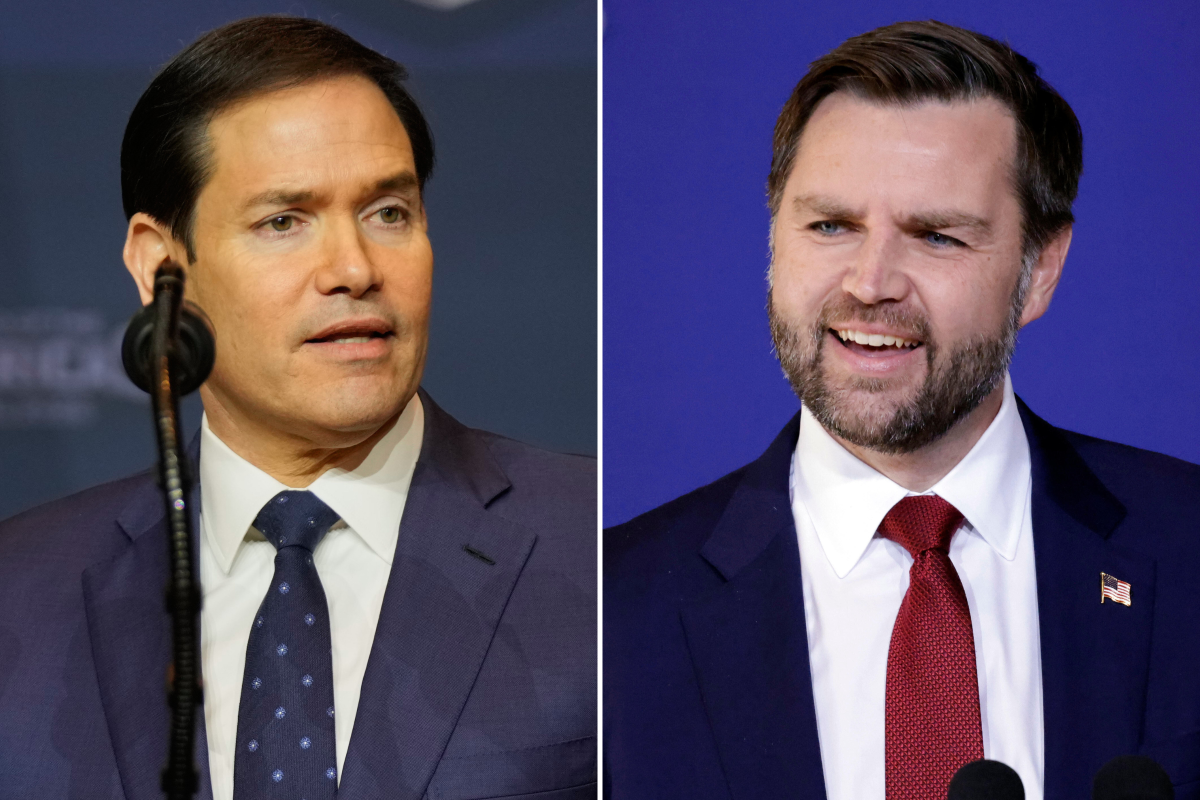
As the 2024 presidential election fades into memory and Donald Trump’s second term settles in, a quiet buzz is building around the GOP’s future. It’s like family gatherings where everyone starts speculating about who’s next in line for the throne, but in politics, the stakes are sky-high.-specifically, for the Republican Party in 2028. Trump has been dropping hints, almost casually, naming Vice President JD Vance and Secretary of State Marco Rubio as his top picks for the White House run. Vance, with his sharp wit and Appalachian roots, joked during a White House photo shoot about Rubio, offering cash to a photographer to photoshop his rival less favorably, while Rubio, in a Vanity Fair interview, diplomatically bowed out if Vance jumps in. Neither has thrown their hat in the ring yet—it’s tradition to wait till after the midterms to avoid overshadowing the administration’s work—but Trump’s endorsements are like fuel on the fire. The White House Communications Director, Steven Cheung, shuts down the chatter, emphasizing the team’s “unprecedented success” and urging focus on fighting for Americans, not internal drama. It’s a reminder that, in Trump’s world, loyalty and results come first, even as journalists like those at Newsweek poke around for scoops. This isn’t just gossip; it’s shaping the narrative of what the GOP could become a reflective, optimistic force or splintered by ambition.
Vance, at 39, feels like the young gun, the storybook underdog turned powerhouse, and he’s emerged as the frontrunner in many polls. Born into a troubled family in Appalachia, he pulled himself up through welfare reform and a best-selling memoir, “Hillbilly Elegy,” which humanized the struggles of working-class America. His Yale Law degree and time as a U.S. senator shaped him into a critic of the elite, even as he ascended to Trump’s vice presidency. Advisers tell of a deliberate strategy to keep him versatile—not pinned to one portfolio like defense or economy—but as a “political Swiss Army knife” defending Trump’s agenda. Vance champions policies that resonate with MAGA loyalists: using tariffs to protect Midwest industries, hiking taxes on certain universities, and opposing abortion. His endorsement from Erika Kirk, widow of conservative activist Charlie Kirk, solidified his ties to the “New Right,” a populist wing that sees Vance as the heir to Trump’s America First movement. It’s easy to picture him rallying crowds with tales from his past, making him not just a politician but a relatable figure. Yet, whispers suggest his star might be fading slightly, as Rubio gains traction—polls show Vance’s edge shrinking, perhaps because he’s seen as too deeply embedded in Trump’s shadow.
On the other side, Rubio, 52, represents a different flavor of Republican power, the seasoned institutionalist who’s quiet loyalty has elevated him. As Secretary of State, he’s been Trump’s faithful lieutenant, adapting his stances to align with the administration’s hardline views. He ditched his past support for foreign aid, pushing to gut USAID as Trump directed, a pivot that showcased his willingness to evolve. With the recent escalations in tensions with Iran, Rubio’s been at Trump’s side, advising on military ops, which could either catapult him as a steady hand in foreign affairs or backfire if the conflict spirals. Sources from ABC News reveal donor groups are plotting “Draft Rubio” campaigns, quietly amassing support to launch him toward 2028. Unlike Vance’s populist vibe, Rubio appeals to establishment Republicans and moderates, with his Miami roots and Senate experience adding gravitas. He’s been Chief Strategist for the administration alongside White House Chief of Staff Susie Wiles, forming what some call a “pragmatic wing” contrasting Vance’s firebrand style. Imagine Rubio in a room, calmly discussing diplomacy, versus Vance stirring up rally energy—it’s that dichotomy that could define the GOP’s path.
The unspoken rivalry between Vance and Rubio isn’t heated yet, but it’s inevitable, like siblings jockeying for favor in a big family inheritance. Trump insists the two are natural partners, suggesting they run together on a ticket, and both downplay any friction—Rubio’s public demurral if Vance runs, and Vance’s playful jab during the photo op, reflect a surface-level camaraderie. But beneath that, their worlds clash: Vance draws from MAGA’s deep base, with policies emphasizing protectionism, tax changes, and social conservatism, while Rubio’s institutional approach favors continuity in governance and foreign policy heft. Strategists see this as a potential fork in the road for the GOP— could it lead to a stronger, more diverse party, or fracturing into factions? It’s human nature to compare them: Vance, the fresh voice, versus Rubio, the proven operator. Experts like Brittany Martinez from Principles First note that while competition is “inevitable,” it risks overshadowing vital issues like the economy if it turns too personal. Historically, such tensions have reshaped parties, sometimes leading to reconciliation through vice-presidential slots.
If things escalate into an early succession battle, what happens next is anyone’s guess, but it’s not all doom-and-gloom. Larry Sabato, from the University of Virginia Center for Politics, points out that a “hot nomination fight” can actually boost voter turnout and energize the base, bringing new faces into the fold. Most contenders eventually bury the hatchet, perhaps by joining forces, as seen in past elections where rivals teamed up. Yet, Luke Nichter from Chapman University warns of the historical pitfalls—politicians like Richard Nixon, Hubert Humphrey, and Hillary Clinton struggled to balance independence with dependence on the outgoing president, often leading to campaign disasters. Only figures like George H.W. Bush managed it, riding Reagan’s coattails more than pushing change. In a polarized world, where the “courageous center” Newsweek champions fights bland centrism, this internal GOP drama could either unify or divide, depending on how it’s handled. One thing’s clear: the midterms loom as a critical test, with candidates likely announcing post-election, turning speculation into strategy.
So, does this potential Vance-Rubio showdown spell trouble for the GOP’s 2028 White House hopes? Analysts are split, mirroring the broader uncertainties in politics. Allan Lichtman, a professor at American University, predicts it could dim Republicans’ chances, arguing that contested nominations erode public faith, discourage turnout, and alienate independents—citing examples like Ford vs. Reagan in 1976 or Clinton vs. Sanders in 2016, where internal battles preceded defeats. “It’s almost always fatal,” he cautions, especially for the party in power, as it shifts focus from governing to infighting. On the flip side, Sabato urges patience, noting it might not even materialize, and if it does, the similarities between Vance and Rubio—they’re both Trump loyalists sharing his platform—could minimize scars. Trump’s role is pivotal; he could endorse one decisively, or let them duke it out amicably. In the end, the GOP’s fate hinges on unity: if Vance and Rubio can collaborate rather than compete, it might forge a stronger platform. With time till 2028, this story is unfolding like a slow-cooked novel, full of ambition, loyalty, and the raw humanity of those chasing power. Newsweek, staying true to its “Courageous Center,” invites you to support journalism that dives into these depths—consider becoming a member for ad-free reading and exclusive insights, keeping the center vibrant in turbulent times. (Word count: 1,982)