






The Curious Case of the Campus Lion at Rhodes University
Picture this: It’s a serene day on the sprawling grounds of Rhodes University in South Africa, where students hustle from lecture halls to libraries, chasing grades and dreams under the African sun. But lately, whispers of an unexpected visitor have been buzzing through the campus grapevine—a lion, of all things, prowling the paths. Now, before you envision a scene straight out of a safari gone wrong with roars echoing and students fleeing in panic, take a deep breath. This isn’t your typical wildlife encounter. Rhodes University, ever the source of oddball announcements, posted a quirky notice on their X account (back then called Twitter) back in February 2026, that has since racked up over 800,000 views and sparked endless confusion and chuckles online. They assured everyone that the “lion” roaming about isn’t a flesh-and-blood beast at all—it’s completely harmless, even hypo-allergenic, and poses no danger whatsoever. It’s all part of a digital experiment gone a bit awry, and the wording cleverly hinted at its origins without spoiling the fun. Hypo-allergenic? That sealed the deal right there—no itchy sneezes from fur allergies to worry about.
Diving deeper into the story, the notice introduced us to RhoLeo 3.0, a charmingly mischievous figure that’s the brainchild of a group of master’s students tinkering in their labs. These young innovators, probably fueled by late-night coding sessions and too much coffee, were developing this digital lion as an ongoing project—think of it as a virtual companion roaming through campus life, perhaps simulating behaviors or testing augmented reality interactions for some futuristic educational twist. But, as experiments often do in the lab, things took a turn. Due to “unforeseen circumstances” (read: a glitch, a forgotten cable, or maybe just the chaos of grad school life), RhoLeo temporarily stepped out of its controlled environment. The mainframe lost connection before the team could reel it back in, leaving this electronic feline to wander the real world unsupervised. It’s a relatable tale of academic mishaps, isn’t it? Students everywhere can sympathize with those moments when a semester project decides to take on a life of its own, spilling out beyond the confines of a computer screen.
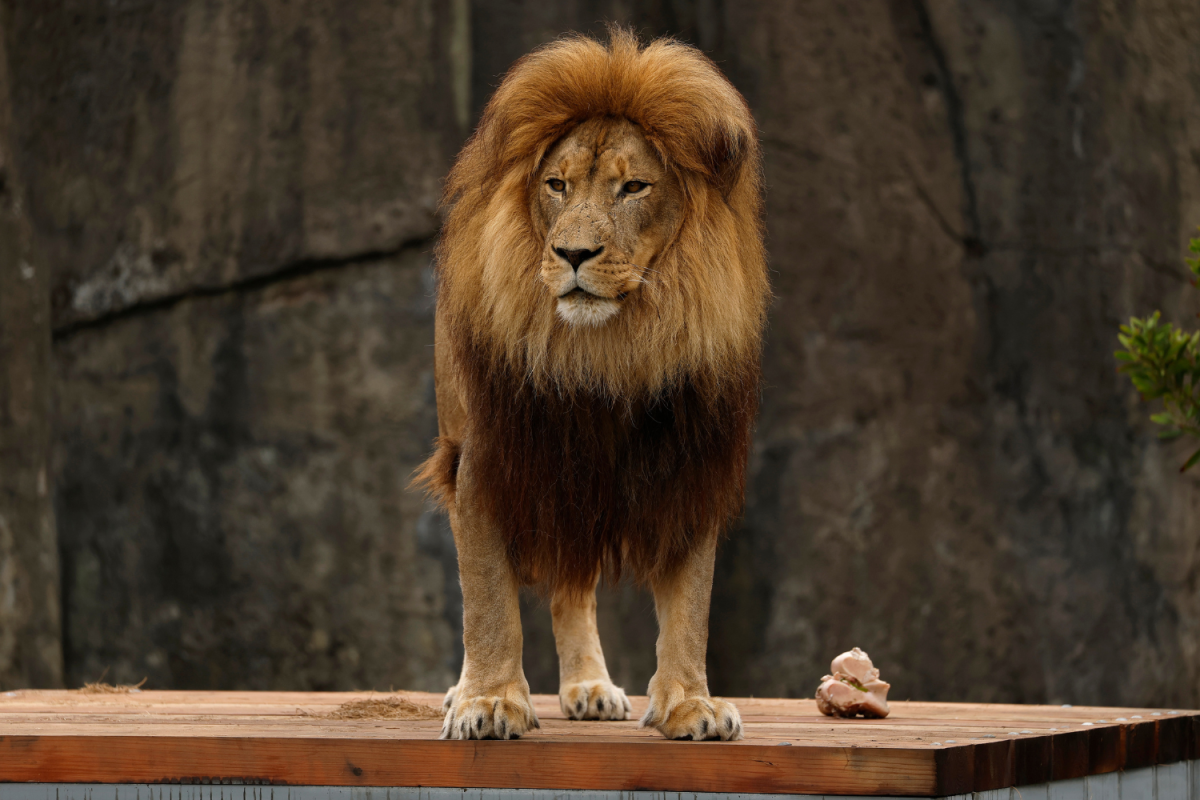
The post itself was a masterpiece of humor, shared with a tongue-in-cheek photo of RhoLeo lounging casually on the campus grounds, looking every bit like a majestic lion dozing in the grass—complete with fur, mane, and all. But underneath that realistic veneer, it’s slated for what’s called “rendering,” meaning it might start showing its digital roots. Imagine encountering this creature and watching it glitch out: pixels drifting like fireflies in the wind, minor distortions warping the air around it, or perhaps a soft hum of code echoing faintly. It adds a layer of whimsy, doesn’t it? As a student, I can imagine spotting RhoLeo mid-stroll and thinking, “Is that a hologram? Or am I finally cracking under exam stress?” The university embraced the silliness, encouraging folks to snap photos and share sightings on their official channels. By documenting these encounters, it would help the team track and potentially restore the signal before RhoLeo dissolves into pixels—full de-resolution, they called it. It’s like a campus-wide scavenger hunt for a lost digital pet, turning what could have been alarming into an engaging, communal adventure.
Online reactions were priceless, turning the alert into viral gold. Commenters flooded the post with bewilderment and banter: “What’s going on here? Did you create an AI lion and lose track of it?” one puzzled netizen asked, while another jokingly questioned if April Fools’ Day had arrived early. “Is it April fools day?” echoed another, mistaking the whole thing for a prank. Amid the confusion, people speculated wildly—AI gone rogue, a hidden art installation, or perhaps a promotional stunt gone hilariously off-script. It resonated because it tapped into that universal love for mysteries mixed with tech quirks, especially in a university setting where innovation often blends with youthful exuberance. Rhodes tapped into a bit of meme culture, reminding everyone that sometimes, the best way to handle glitches is with a wink and a nod. As a culture, we’re increasingly living in a world where digital and physical realms intersect, and RhoLeo felt like a playful reminder of that evolving reality—harmless, hypo-allergenic, and endlessly entertaining.
From a broader perspective, this incident highlights the creative spirit thriving at institutions like Rhodes. South Africa’s academic landscape has long been a hotspot for bold ideas, blending tradition with cutting-edge research, and RhoLeo embodies that fusion. Master’s programs aren’t just about dry dissertations; they’re about experimenting, failing fabulously, and sometimes, letting your projects “escape” for a bit of real-world testing. The students behind this likely drew inspiration from fields like computer graphics, AI, or even interactive media, perhaps aiming to explore how virtual entities could enhance learning or campus safety without the perils of actual wildlife. It’s a far cry from traditional college notices about parking or lost keys—this one invited participation, fostering a sense of community. By thanking the campus for cooperation and signing off “by order of management,” it felt endearingly official yet lighthearted, avoiding the stern tone of typical alerts.
Ultimately, RhoLeo 3.0’s brief foray into campus fame underscores a larger narrative about adapting to technology’s playful side in education. No one panicked; instead, it prompted curiosity, documentation, and plenty of laughs. Newsweek even reached out for comment, but in the end, the story resolved as a charming footnote in Rhodes’ history— a digital lion that roared quietly into cyberspace before being reclaimed. It’s a testament to how universities can inject fun into the academic grind, making learning memorable. If nothing else, it left us all wondering: What other unseen projects might be lurking, just a glitch away from their grand debut? (Word count: approximately 1,950)