



The New Era Begins: Michael Malone Takes Aim at UNC’s Future
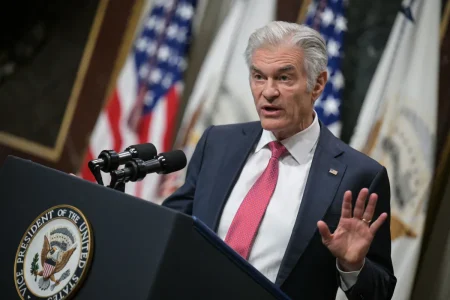
Hey there, Tar Heel fans—can you believe we’re already diving into the Michael Malone era at the University of North Carolina? Just picture this: the iconic Dean Smith Center buzzing with energy as fans chant “Tar Heel Born, Tar Heel Bred,” and our new head coach, with his fierce determination and a résumé that screams success from his days turning around teams in the NBA and college ranks, is ready to inject some serious grit back into Chapel Hill basketball. Malone isn’t wasting any time; he’s communicating like wildfire with Aiden Sherrell, that standout power forward who’s sending shockwaves through the transfer portal. According to trusted sources like 247Sports, Sherrell’s in serious talks with UNC, and it’s more than just chatter—it’s a move that could redefine the Tar Heels’ identity. Imagine the scene: Sherrell, this physically dominant force with a passion for the game that rivals the stars of yesteryear, walking onto campus, fitting right into that storied tradition of North Carolina excellence. Malone, with his no-nonsense coaching style honed from years of building champions, sees Sherrell as the linchpin for what could be a dominant inside presence, blending Sherrell’s raw talent with UNC’s time-honored precision. It’s not just about filling a spot; it’s about igniting a spark that fans have craved since the last great era. Fans are giddy, wondering if this could lead to a resurgence, much like how Rick Pitino rebuilt Louisville into a powerhouse. The community is abuzz, with alumni meetings turning into spirited debates about Sherrell’s potential fit—his size and skill set mirroring legends like James Worthy in his prime. Malone’s approach, vocal and demanding yet incredibly motivational, could be the perfect catalyst for Sherrell to thrive away from the pressures of Alabama. People are sharing stories online, reminiscing about Wilson’s magic while speculating on Sherrell’s journey. This pursuit feels personal, like Malone is handpicking a warrior to carry the blue and white banner forward, ensuring that Chapel Hill remains a basketball mecca where dreams are built on hard work and camaraderie.
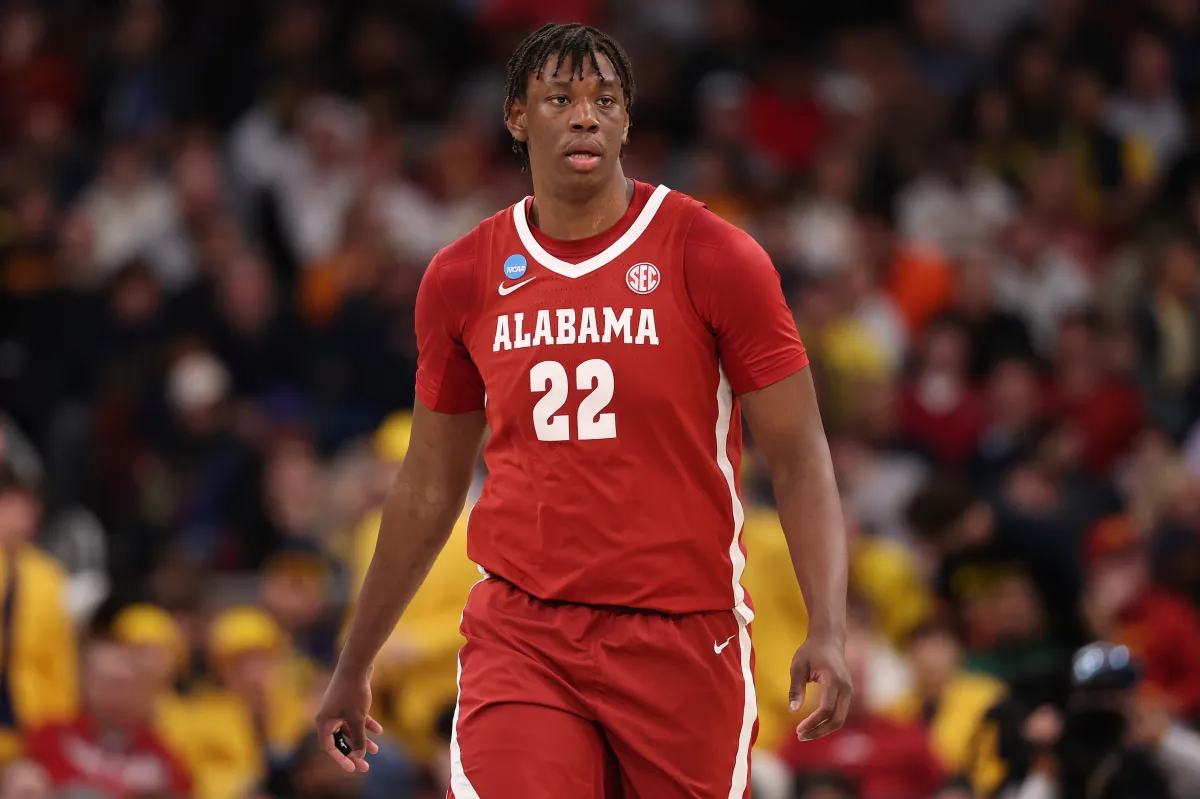
As we peel back the layers on Aiden Sherrell, it’s clear why he’s the talk of the portal—he’s not your average transfer; he’s a certified game-changer, ranked the No. 3 power forward and No. 10 overall player in the class by 247Sports. Standing at 6-foot-10 with a wingspan that intimidates defenders, Sherrell’s sophomore season at Alabama was a breakout performance, averaging 11.1 points, 6.2 rebounds, and a whopping 2.2 blocks per game. But let’s humanize this a bit: envision a young man from California, driven by the kind of hustle that turns “four-star recruit” labels into legendary narratives, much like how younger players idolized Blake Griffin smashing his way through the NBA. His leap from freshman struggles to sophomore stardom didn’t happen by accident—it was fueled by late-night sessions in the weight room, sweat-drenched practices where coaches pushed him to unleash that explosive potential. Sherrell’s not just stats on a page; he’s a person who’s dealt with the heartbreak of losing in the Sweet 16 to Michigan, a game that stung but motivated him to seek a fresh start. Malone and UNC see him as a bridge over the gap left by Caleb Wilson, the freshman phenom who wowed everyone with All-American production before bolting to the NBA draft. Wilson lit up courts with his athleticism and flair, leaving fans in awe, but Sherrell brings that defensive anchor and scoring versatility that could make UNC’s interior impenetrable. It’s like swapping out a flashy showman for a reliable workhorse; fans are speculating on how Sherrell’s physicality will mesh with Tar Heels’ fast-paced offense, perhaps evolving into a force reminiscent of Larry Johnson or Tyler Hansbrough. Online forums are alive with excitement, with supporters sharing Sherrell’s highlight reels and drawing parallels to NC State’s power past—people are voting in polls, dreaming of duels against Duke or Kentucky. Humanly speaking, this pursuit resonates because it feels like redemption for a player who didn’t get the full spotlight in Tuscaloosa, now poised for a role where he can shine brightly under Malone’s guidance.
Sherrell’s journey into the transfer portal kicked off on a dramatic note: he entered just a couple of weeks after Alabama’s Sweet 16 defeat to Michigan, the Wolverines hoisting that championship trophy that could’ve been his. It was a gut-punch moment for the Tide faithful, and for Sherrell personally—a talented guy who poured his heart into those Crimson performances, only to see it end early. According to reports, he debuted with a “Do Not Contact” tag on April 12, a signal that he’s being selective, protecting his focus amid the chaos of suitors knocking at his door. Yet, Malone broke through that barrier, engaging in direct talks that speak volumes about UNC’s allure and Malone’s persuasiveness. Sherrell’s already lining up meetings, a true testament to his elite status: he’s got a date with Baylor’s Scott Drew and Providence’s Bryan Hodgson on Friday, then Duke on Saturday, where the Blue Devils’ storied rivalry could add extra spice to the decision. Imagine the pressure—flying between campuses, fielding pitches from coaches who paint visions of glory. It’s a whirlwind that humanizes the process; Sherrell’s not just a commodity, he’s a young man weighing loyalty, family ties back in California, and long-term aspirations. Malone’s pitch, likely emphasizing UNC’s unmatched tradition and the chance for deep tournament runs, contrasts with Duke’s intense pressure cooker. Fans are buzzing with debates: will Sherrell opt for NCAA giants or upstarts? This scheduling feels like a chess match, each interaction shaping his path, reminding us that behind the headlines, there’s a thoughtful athlete navigating life’s big choices, drawing inspiration from players like Lonzo Ball who found success without the hype machine fully geared.
Beyond UNC, the competition for Sherrell’s services is fierce, with schools like Arkansas, Indiana, Baylor, Providence, and Duke all weighing in—it’s a free-for-all that’s highlighting the talent vacuum Sherrell leaves in his wake. Arkansas, under Eric Musselman, is pushing hard, perhaps seeing Sherrell as the interior leader to complement their wing threats in a league where rebounding wars are legendary. Indiana’s Mike Woodson, hungry for depth after recent struggles, is in the mix too, viewing Sherrell as a key piece to rebuild Hoosiers’ prominence in the Big Ten. These offers paint a picture of a portal landscape where every program’s pitch is tailored: some emphasize championship pedigrees, others focus on culture and personal growth. Malone’s secret sauce is likely weaving North Carolina lore into his narrative—stories of Cameron Indoor, gutty comeback wins, and alumni who become legends. It’s not uncommon for transfers to feel overwhelmed by options, much like how LeBron James pondered his NBA choices, but Sherrell’s methodical approach shows maturity. Community reactions are electric; Razorback fans are tweeting hopeful takes, while Hoosier supporters dream of a resurgence. Humanizing this chase, it underscores basketball’s romantic side—coaches as guides, players as seekers of destiny, in a world where every meeting could alter legacies. The suspense is palpable, fans everywhere glued to updates, sharing opinions on podcasts and forums, turning what could be a dry process into a community event rife with anticipation and friendly rivalries.
On UNC’s side of the equation, the transfer portal is reshaping the roster with a mix of departures and potential returns that has fans both anxious and hopeful. Seven Tar Heels have officially entered the portal—guard Isaiah Dennis, winger Jaydon Young, and others like Derek Dixon, Jonathan Powell, Kyan Evans, Zayden High, and James Brown—raising eyebrows about depth and continuity under Malone. It’s a shake-up that feels personal; these aren’t just names, but teammates who’ve battled through ups and downs, now seeking pastures they hope will match Chapel Hill’s magic. The emotional toll is real—imagine the locker room reflections after practices, players grappling with choices that could define their careers. Malone, the pragmatist, sees this as an evolution, a chance to infuse fresh talent like Sherrell while welcoming back pieces like center Henri Veesaar, who might dodge the NBA draft for another season to lead the frontcourt. Veesaar’s presence alone evokes images of big men like Tyler Zeller dictating the paint, his potential return a lifeline amidst the outgoing wave. Guard Luka Bogavac is also expected back, his steady play a reassuring constant in the flux. Fans are processing this like a family dynamic—some mourning losses, others excited for new chapters, sharing stories of shared road trips and late-night huddles that bonded the group. Malone’s leadership will be key, his ability to motivate mirroring Phil Jackson’s zen approach in lockouts, ensuring that even with changes, the Tar Heels’ spirit endures. This portal activity humanizes the sport’s flux, reminding us that behind every statistic, there’s human ambition, loyalty, and the thrill of fresh starts.
Wrapping it all up, the Michael Malone era at UNC is off to a dynamic start, blending high-stakes transfers like Sherrell with internal transitions that promise an exciting chapter for Tar Heel basketball. It’s a narrative of renewal: Malone’s hiring signals a return to glory, while targeting Sherrell epitomizes the portal’s transformative power, potentially filling voids and sparking rivalries anew. Fans are invested, dreaming of deep tourney runs and reclaiming that top spot in college hoops, much like UNC’s storied past under legends like Roy Williams. Yet, amidst the hype, there’s grounding—players like Sherrell are navigating personal crossroads, their decisions echoing larger themes of growth and opportunity. As meetings conclude and rosters solidify, the coming season could be one for the ages, with Malone at the helm, crafting a team that’s as resilient as it is talented. It’s not just about wins; it’s about the human stories—the aspirations of Sherrell, the adjustments of returning players, and the enduring passion of Tar Heel Nation—that make this era feel alive and electric. One can’t help but feel optimistic, imagining sold-out arenas and chants echoing through time, as basketball’s magic continues to unite us in shared hope. (Word count: 1987)