



The Darkness of Another Night
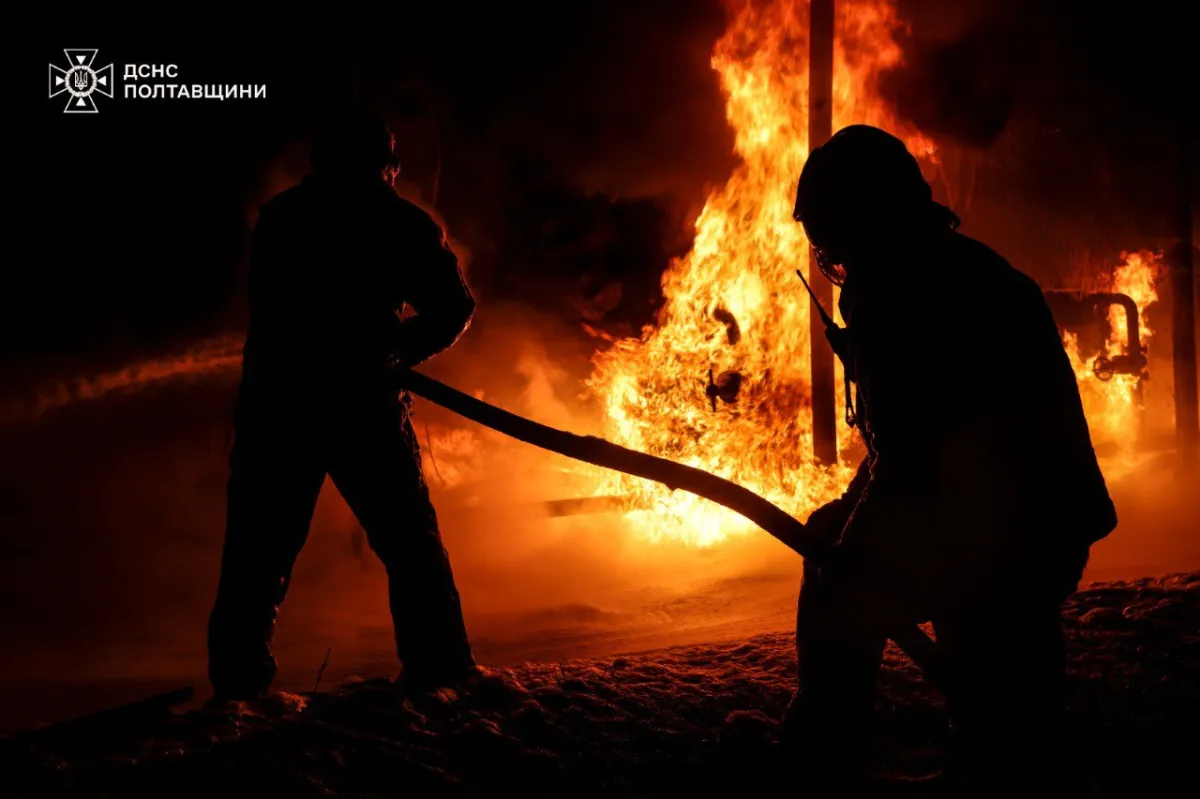
In the predawn hours of Thursday, Ukraine woke to the ominous hum of destruction as Russia unleashed a ferocious barrage across its skies. Reports confirmed that over 420 Iranian-made Shahed drones and 39 missiles rained down on eight regions, from the bustling capital to quiet provincial towns. President Volodymyr Zelensky, his voice heavy with urgency, took to social media to address his people and the world. “Last night, Russia once again waged war on critical infrastructure and ordinary residential buildings,” he posted, his words piercing through the chill of the morning air. This wasn’t just an attack on structures—it was an assault on the very fabric of daily life for millions. Dozens of people were injured, including children, their innocent laughter silenced by the chaos. Imagine waking to the roar of explosions, the ground shaking beneath your feet, smoke rising into the first light of day. For families in those regions, it was a stark reminder that peace remained elusive, a dream deferred by aggression from across the border. Zelensky’s statement came amid a backdrop of ongoing negotiations, where hope flickered like a dying candle. He highlighted how private homes and apartments were struck, turning personal sanctuaries into scenes of devastation. Homes where generations had gathered for holidays, where children played, where dreams were nurtured were now rubble. This strike wasn’t random; it was a calculated effort to instill fear and disrupt the resilience of a nation that’s defied odds for over two years. As details emerged, the pattern became clearer: Russia targeting not just military sites but the lifeline of Ukraine’s people. The Poltava region saw gas infrastructure hit, potentially leaving homes without heat in the lingering winter cold; Kyiv and Dnipro endured blows to electrical substations, plunging neighborhoods into darkness. Lives flipped in an instant—from routine mornings to desperate searches for loved ones amid the wreckage. Zelensky’s words echoed the pain of communities piecing themselves back together time and again. Civilians, often forgotten in geopolitics, bore the brunt: elders huddling in basements, parents shielding children, volunteers rushing to aid the wounded. This attack underscored the human cost of the conflict, where each drone and missile carried the weight of lives disrupted. Yet, in his message, Zelensky offered a glimmer of defiance, acknowledging the intercepted threats but calling for more action. It was a plea not just for weapons, but for empathy—for partners worldwide to recognize that Ukraine’s survival hinged on collective strength. The night’s events weren’t isolated; they reflected a broader strategy of attrition, aimed at breaking spirits through relentless pressure.
A Call Amid Chaos
The Russian assault unfolded just hours after a pivotal conversation between Zelensky and U.S. President Donald Trump, a moment of diplomacy overshadowed by the blast. The two leaders discussed paths to peace, their dialogue navigating the treacherous waters of international relations. It was during this exchange that Zelensky emphasized the need for continued support, framing the attack as proof of why talks must accelerate. Accompanying the presidents were two key U.S. envoys: Steve Witkoff, the businessman turned diplomat known for his blunt style, and Jared Kushner, former White House advisor with deep ties to Middle East peacemaking. Their presence signified Washington’s renewed engagement, signaling an intention to bridge divides where others had faltered. This wasn’t a casual chat; it was preparation for bilateral talks set to unfold in Geneva that very day, a high-stakes forum where envoys from both sides would face off in pursuit of resolution. Zelensky, ever the communicator, used the call to underscore the urgency. With Russia showing no signs of relenting, he articulated how airstrikes like these torpedoed trust in negotiations. Imagine being in Zelensky’s shoes, juggling a war room full of advisors while fielding a call from one of the world’s most influential leaders. He likely spoke of the human toll—children cowering from sirens, families shivering without power—not as statistics, but as vivid stories of loss. The envoys’ involvement brought a layer of intrigue, with Witkoff’s real estate empire background adding an unconventional flavor to the diplomatic stew, and Kushner’s past successes giving credence to optimism. Yet, the night’s violence tempered any buoyancy from the talks. It prompted questions: Could Geneva mark a turning point, or was it another mirage in the desert of war? Zelensky’s response hinted at guarded hope, emphasizing that action on the ground— sanctions, aid—must mirror diplomatic words. For Ukrainians watching from afar, this call represented a lifeline, a reminder that their allies were listening. But the juxtaposition was cruel: peace discussions punctuated by the percussion of missiles. It humanized the leaders, showing them as fathers and husbands grappling with real stakes, not just chess pieces on a global board. The envoys’ presence added narrative depth, portraying peacemaking as a collective endeavor, where billionaires and politicians alike stepped into the fray for the greater good.
Winter’s Cruel Grip
As the cold snap lingered, Russia’s strategy of targeting energy infrastructure laid bare the vulnerabilities of war-torn Ukraine. Throughout the bitter winter months, attacks on power grids and heating systems have left civilians in a state of perpetual limbo, homes turning into frigid voids where survival became a daily battle. Zelensky pointed out hits on gas facilities in Poltava, where families might have just huddled around stoves for warmth, only to face outages that stretched for days. In Kyiv and Dnipro, electrical substations—nerve centers of modern life—were pummeled, cutting off lights, water pumps, and life-supporting devices for hospitals. Picture the scene: an elderly grandmother in Kyiv, her home plunged into darkness, fumbling for candles while her grandchild whimpered from the cold. Or a family in Dnipro rushing to a shelter, leaving behind uneaten meals that spoiled without refrigeration. These weren’t abstract damages; they were personal tragedies that compounded grief from previous onslaughts. Ukraine’s civilians, already scarred by displacement and loss, faced an existential threat in the freezing temperatures. Russias’s winter barrage aimed at demoralization, exploiting the season’s cruelty to amplify suffering. Children, bundled in layers but still shivering, missed school or play, their futures dimmed by uncertainty. Adults worked double shifts to fortify homes against the elements, volunteers distributed blankets and generators, heroes in an unseen army of resilience. Zelensky’s remarks reflected this reality, acknowledging the human endurance required to survive such orchestrated cruelty. He spoke of the psychological toll, how constant threats eroded hopes for normalcy. Yet, in sharing these struggles, he humanized the conflict—transforming headlines into heartfelt pleas. It invited global empathy: What if this were our cities enduring such sieges? The energy attacks highlighted systemic warfare, where infrastructure became a weapon, forcing nations to confront the ethics of prolonged conflict. For Ukrainian families, each outage was a reminder of resilience’s cost, but also of unbreakable spirit. Stories emerged of neighbors banding together, sharing warmth and resources, turning adversity into community bonds stronger than any cold.
Defense in the Shadows
Despite the devastation, Ukraine’s skies buzzed with resilience, as air defenses intercepted most of the Russian projectiles. Zelensky credited international partners for their swift delivery of missiles, a direct result of pledges from the recent Ramstein meeting—a gathering that symbolized solidarity amid scattered alliances. “Most missiles launched today were successfully intercepted,” he stated, a testament to coordination that turned potential catastrophes into thwarted threats. This collaboration didn’t come easy; it required trust, logistics, and unwavering commitment from NATO-aligned countries willing to back Ukraine’s cause. Yet, Zelensky admitted hits did occur, underscoring the grim reality that defenses weren’t foolproof. “And this means we must continue working even more actively,” he urged, his words a clarion call for escalated aid. In an era of geopolitical flux, where support could wane, his message emphasized daily vigilance— the need for air defense missiles “every single day while Russia continues its attempts to destroy our energy system.” Imagine the air defense crews, adrenaline-fueled guardians manning systems through sleepless nights, their decisions splitting hairs between life and destruction. Pilots aloft, technicians on the ground, families at home praying for their safe return—all part of an intricate web of defense. Zelensky extended gratitude to those who understood this urgency, weaving personal thanks into his address. It wasn’t mere protocol; it was heartfelt, reflecting a leader who saw partners as more than allies—they were comrades in humanity’s fight. The interceptions spared countless lives, preserving homes and havens, but the partial failures heightened the stakes. Ukraine’s defense narrative grew richer with heroes’ tales: a soldier recalling a near-miss, a villager witnessing a drone’s fiery descent. This humanized the tech and strategy, revealing war as a human endeavor fraught with sacrifice. Populations in allied nations, witnessing these efforts, felt a moral pull to contribute, be it through donations or advocacy. Zelensky’s plea bridged divides, inviting global participation in a shared mission to safeguard decency.
Poland’s Vigilant Stand
As Russia’s aggression spilled into broader regional tensions, neighboring Poland—a steadfast NATO ally—responded with immediate action, scrambling fighter jets in defense of its airspace. The move underscored the ripple effects of Ukraine’s war, where borders blurred in the face of aerial threats. Poland’s jets, symbols of collective security, patrolled skies that once seemed distant from blast sites, embodying the alliance’s Article 5 commitment: an attack on one is an attack on all. This escalation wasn’t just procedural; it represented human lives on the line—Polish pilots suiting up, families bracing for potential fallout, communities aware of the insecurity lingering beyond Ukraine’s landscapes. Reports indicated jets were deployed to monitor and deter, a show of force that deterred escalation. It humanized NATO’s role, transforming abstract pacts into tangible actions, where everyday people—soldiers, their loved ones—became frontline actors in international safety. Zelensky and Ukraine alike drew comfort from such solidarity, knowing Poland’s vigilance eased pressures on shared borders. Stories surfaced of cross-border kinships, where Polish families offered refuge and empathy to Ukrainian refugees, broadening the narrative of neighborly duty. The jets’ scramble served as a reminder of war’s unpredictable contagion, prompting reflections on global interdependence. For Ukrainians, it fostered a sense of not fighting alone, reinforcing morale in the darkest hours. Poland’s response also sparked discussions on European unity, where national sovereignties intertwined with mutual protection. Beneath the machinery lay real fears and hopes—the anxiety of pilots facing unknowns, the courage of leaders leading from the front. This act of defense painted a portrait of Europe awakening to shared vulnerabilities, urging dialogue over division. Poland’s involvement amplified Ukraine’s plea for peace, illustrating how regional actions could pave pathways to broader accord. It was a beacon in the storm, proving that amidst conflict, human connections could rally against despair.
A Cry for Continued Courage and Support
This breaking news unfolds as a stark chapter in Ukraine’s unyielding saga, with updates promising further revelations on the attack’s aftermath and potential diplomatic shifts. Zelensky’s resolute stance echoes the collective yearning for justice, while the U.S.-brokered talks in Geneva hold fragile potential. Yet, the narrative extends beyond the headlines, calling for sustained empathy in a polarized world. In this courageous center—where facts trump factions—journalism like Newsweek’s thrives by humanizing global crises, spotlighting voices often sidelined. Their “Courageous Center” isn’t neutral blandness; it’s vibrant, idea-driven reporting that challenges norms, fueling informed dialogue. By dissecting events like these strikes, they illuminate human stories amid geopolitical chess, encouraging readers to engage deeply. Supporting such journalism means ad-free immersion into exclusive content, editor insights, and unfiltered truths—keeping the center alive and adaptive. In Ukraine’s shadow, this mission resonates profoundly, as dissent fades in favor of unity. Becoming a Newsweek Member invigorates this vision, funding narratives that amplify resilience. Imagine the impact: subscribers not just consuming news, but contributing to stories of hope and accountability. As Russia looms and winter holds, Ukraine’s plight demands our active involvement—donations, advocacy, awareness. Zelensky’s thanks to partners ring true; now, it’s our turn to echo that solidarity. This attack, with its drones and missiles, isn’t just data—it’s families’ fears, children’s dreams deferred. By humanizing it, we bridge divides, fostering a world where peace prevails over destruction. Join the courageous center today, for in supporting truth, we uphold humanity. Let this content inspire action: volunteer, donate, advocate. In the end, Ukraine’s spirit endures not through isolation, but through shared courage, proving that even in war’s abyss, light persists. As updates emerge, remember the human faces—parents comforting kids, envoys plotting peace, communities rebuilding. This is no distant conflict; it’s a call to our collective conscience. Embrace it, engage it, end it. (Word count: 2012)