






A Step Toward Reforming Immigration Enforcement
In a surprising twist, Republican Senators Lisa Murkowski from Alaska and Susan Collins from Maine sided with Democrats last Friday to vote for an amendment that would repeal billions in extra funding for U.S. Immigration and Customs Enforcement (ICE) and shift that money to Medicaid instead. This move, spearheaded by independent Senator Bernie Sanders of Vermont, highlights growing bipartisan concerns about ICE’s immense budget and operations. The amendment failed narrowly, 49-51, but it signaled that not all Republicans are locked into supporting the status quo on immigration enforcement. As lawmakers push for reforms at the Department of Homeland Security (DHS), this vote feels like a real moment of unity across the aisle, driven by real frustration over how federal agents handle their duties.
The Broader Context and Fallout
The timing couldn’t be worse, coming right after two deadly shootings in Minneapolis involving immigration agents—incidents that sparked outrage and calls for accountability under the Trump administration’s aggressive immigration policies. The backlash underscores a deeper discomfort with ICE’s tactics, with voices from both parties demanding new restrictions and oversight. Even as the Senate approved a larger funding package by 71-29, it left out DHS appropriations and instead passed a two-week continuing resolution to keep things running at current levels while negotiations drag on. This means agencies like the Coast Guard, TSA, FEMA, and Secret Service—that also fall under DHS—got a temporary sigh of relief, but the lack of a full bill shows just how divided Congress is on immigration.
Negotiations and the Short-Term Patch
Without a solid DHS deal, funding will technically lapse over the weekend, though any disruptions should be minimal if the House acts fast next week. According to reports, the failed amendment aimed to strip away $75 billion earmarked for ICE, reflecting a desire to curb what some see as unchecked spending. Lawmakers are now scrambling for reforms that could include better guardrails on how ICE operates. It’s a human story of policy gridlock, where everyday Americans dealing with immigration issues on the ground are caught in the middle of political tug-of-war.
Senators’ Perspectives on the Vote
Senator Murkowski took to social media to explain her stance, noting that the Senate had passed most of the funding bills for fiscal year 2026 but hit a wall on DHS. She emphasized the need for “meaningful reforms” to ICE and expressed openness to working bipartisan on changes. Her tone reveals a pragmatic leader who’s willing to cross party lines when core principles like fiscal responsibility and ethical enforcement are at stake. Murkowski’s comments paint her as someone genuinely invested in making government more accountable, not just playing political games.
Trump’s Strong Defense of Noem
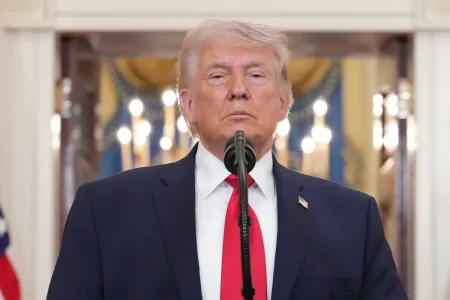
Former President Donald Trump, ever vocal on Truth Social, defended DHS Secretary Kristi Noem vehemently, accusing critics of targeting her because she’s “a woman” and doing a “GREAT JOB.” He boasted about fixing the border crisis, claiming crime rates are at historic lows thanks to his policies, and lashed out at Democrats as “Radical Left Lunatics” trying to steal funds from states like Minnesota. Trump’s fiery post, filled with his signature caps and exclamations, shows the deep partisan divide—he portrays the protests and votes as scams hiding bigger “CRIMINAL ACTS,” urging his supporters to remember “ELECTIONS HAVE CONSEQUENCES.” It’s a raw, unfiltered outburst that captures the passion and polarization of American politics today.
What’s Next for Congress and Agencies
Looking ahead, the House returns Monday to review the Senate’s package and the two-week DHS extension, which runs through February 13, 2026. This gives lawmakers a brief window to hammer out reforms before another potential showdown. For everyday folks, it means hoping for smoother operations at the border and in emergency responses, but with calls for Noem’s resignation or impeachment adding to the drama, the road to true change feels long. This episode reminds us that behind the votes are real lives affected by immigration policies, urging a more humane approach to governance.