



Trump’s Affordability Crisis: Echoing Biden’s Costly Political Mistake
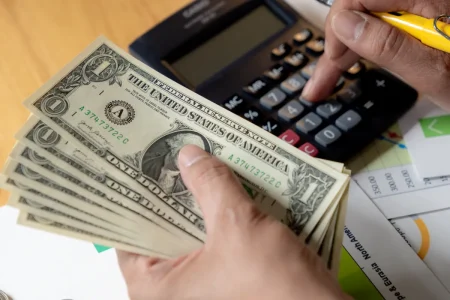
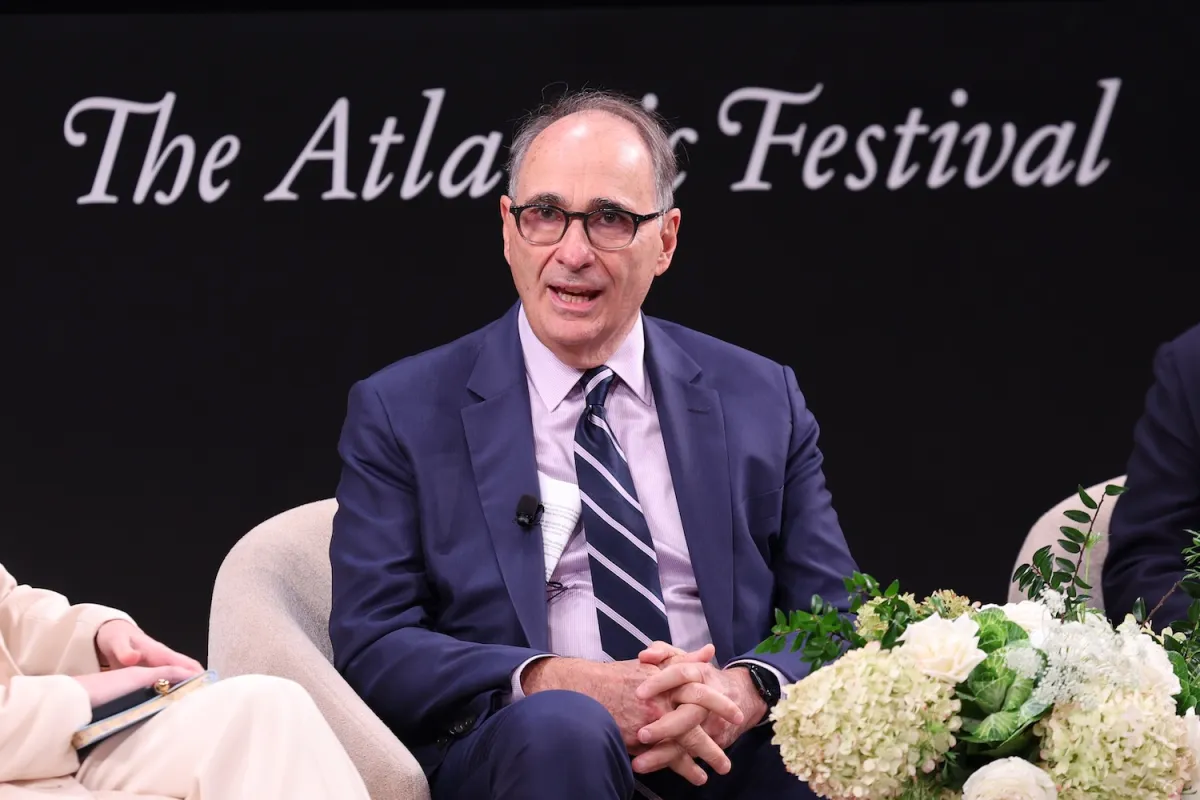
In a compelling analysis for The Atlantic, former Obama strategist David Axelrod warns that President Donald Trump is repeating the same critical error that damaged Joe Biden’s presidency: denying the economic reality that ordinary Americans face daily. Despite campaigning on promises to “make America affordable again,” Trump now dismisses inflation concerns as a “Democrat scam” and “fake narrative”—even as voters continue ranking rising prices as their top concern. This disconnect between presidential rhetoric and kitchen-table reality represents a dangerous political miscalculation that could cost Republicans dearly in upcoming elections.
The irony is striking: Trump effectively weaponized Biden’s economic tone-deafness to win the 2024 election, hammering the message that Americans couldn’t afford essentials under Democratic leadership. Now, nearly a year into Trump’s return to the White House, inflation remains stubbornly high, and the president’s approval ratings on economic management mirror Biden’s dismal numbers. Instead of acknowledging these challenges, Trump has created his own version of “Bidenomics”—insisting the economy is experiencing a “miracle” while average Americans struggle with persistent affordability issues. This widening credibility gap has already contributed to unexpected Democratic gains in recent state and local elections, including a surprisingly competitive special election in deep-red Tennessee.
Trump’s signature economic initiative—sweeping import tariffs described as the steepest since the Great Depression—may be exacerbating the very problem he promised to solve. While economists debate the precise impact, Harvard Business School professor Alberto Cavallo notes that prices are “largely driven by goods from China, particularly in categories such as household goods, furniture, and electronics.” Though companies haven’t yet passed all increased costs to consumers, the tariffs create inflationary pressure at a time when wage growth is slowing. Rather than confronting these economic complexities, the Trump administration has retreated into what Axelrod describes as Cabinet meetings filled with “fawning praise” where the president sometimes “drifted in and out of sleep”—suggesting a dangerous detachment from the economic anxiety gripping American households.
Democrats have quickly recognized Trump’s vulnerability on the affordability issue and appear to be building their midterm strategy around it. Tennessee Democrat Aftyn Behn’s recent campaign, which focused heavily on inflation and health care costs, came unexpectedly close to flipping a Republican stronghold. This result serves as what Axelrod calls “the latest warning flare for Trump and his party” less than a year before critical midterm elections that will determine control of Congress. While Trump insists his economic approach is vastly superior to Biden’s—with economic adviser Kevin Hassett claiming “Trumponomics works and Bidenomics doesn’t”—polling data suggests voters remain deeply skeptical about both presidents’ handling of kitchen-table economic issues.
The parallel between Biden’s and Trump’s economic messaging failures is particularly striking because Trump effectively exploited this exact vulnerability to defeat Biden. Both presidents have attempted to sell economic narratives that contradict voters’ lived experiences—Biden with “Bidenomics” and Trump with his “economic miracle”—and both have faced similar political consequences. When confronted with polling showing public dissatisfaction with affordability under his administration, Trump’s instinct has been to dismiss the concern entirely rather than adjust his approach. This pattern of denial threatens to undermine his political capital just as it did for his predecessor, potentially opening the door for significant Democratic gains in the 2026 midterms.
Though Trump “will never be on a ballot again,” as Axelrod notes, his economic legacy and political influence hang in the balance. The affordability crisis that propelled him back to the White House remains unresolved, and his administration’s response—combining tariff policies that potentially raise consumer prices with messaging that denies economic hardship—creates a dangerous political vulnerability. If Trump continues asking voters “to believe him over their lying eyes” regarding economic conditions, Republicans may face the same harsh electoral judgment that Democrats experienced in 2024. The fundamental lesson that both administrations have struggled to learn is that acknowledging economic pain is the first step to addressing it—and voters have little patience for leaders who refuse to recognize their daily financial struggles, regardless of party affiliation.