


Trump Administration Signals Potential USMCA Exit Despite Treaty’s Long-Term Design
Trump’s Trade Representative Suggests Possible Withdrawal from North American Trade Deal
In a surprising revelation that has rattled North American trade relations, U.S. Trade Representative Jamieson Greer indicated that President Donald Trump might consider withdrawing from the U.S.-Mexico-Canada Agreement (USMCA) as early as next year. Despite the agreement being structured with a 16-year lifespan and scheduled reviews, Greer’s comments to Politico highlight the administration’s willingness to reconsider the pact that governs nearly $2 trillion in annual trade. “The president’s view is he only wants deals that are a good deal,” Greer explained, adding that the review period built into USMCA was specifically included to allow for revision or exit if necessary. This stance aligns with Trump’s long-standing approach to international agreements, where he has shown readiness to abandon arrangements he perceives as unfavorable to American interests, regardless of their intended duration or stability.
The USMCA’s Complex History and Structure
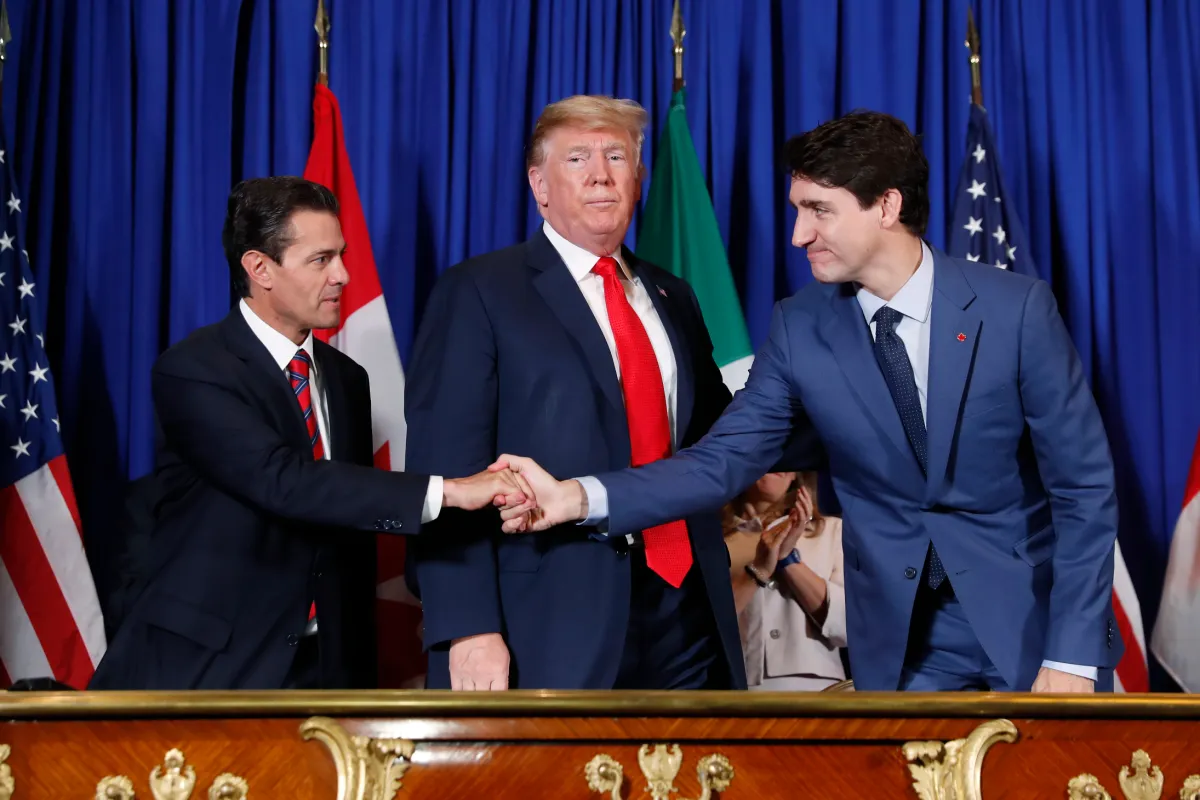
The USMCA represents one of the defining achievements of Trump’s first administration, replacing the North American Free Trade Agreement (NAFTA) with what was touted as a more beneficial arrangement for American workers and businesses. The agreement, which went into effect in 2020, was designed with a 16-year term ending in 2036, featuring a mandatory review in 2026 that could extend it for another 16 years if all parties agree. The structure was deliberately created to provide stability while allowing periodic reassessment—a balance now potentially upset by talk of early withdrawal. The agreement includes specific provisions for termination, requiring six months’ written notice to other parties. Trade policy has remained central to Trump’s economic vision for his second term, with the president frequently advocating for tariffs on imports from various countries, including neighbors Mexico and Canada, as leverage to secure what he considers better deals for American workers and manufacturers.
Different Relations with Canada and Mexico Complicate Trilateral Agreement
Greer’s comments to Politico reveal a nuanced view of North America’s economic integration, suggesting that the administration may prefer separate approaches to its northern and southern neighbors. “Our relationship with the Canadian economy is totally different than our relationship with the Mexican economy,” Greer noted, pointing out differences in labor situations, manufacturing profiles, and import-export relationships. This perspective questions the fundamental rationale for a trilateral agreement, with Greer stating, “It actually doesn’t make a ton of economic sense why we would marry those three together.” While acknowledging that many of the underlying rules benefit American exporters, he emphasized the need to ensure the U.S. receives appropriate benefits from the agreement. This apparent preference for bilateral rather than trilateral negotiations could signal a significant shift in North American trade relations, potentially fragmenting a continental market that has become increasingly integrated over decades.
The Stakes of Potential USMCA Withdrawal
The implications of a U.S. withdrawal from USMCA would be profound and far-reaching across North America. The agreement governs a vast economic relationship worth approximately $2 trillion annually, touching countless industries and millions of workers across the continent. A sudden change to these trade rules would disrupt supply chains that have been built around the predictability offered by NAFTA and continued under USMCA. Assistant U.S. Trade Representative Daniel Watson emphasized the significance of the upcoming review, noting during a recent hearing that the three countries “face a very important decision [in July 2026] whether to extend the USMCA for another 16-year term.” The uncertainty created by potential withdrawal before the scheduled review process threatens to undermine business confidence and investment across sectors that rely on stable cross-border commerce, from agriculture and automotive manufacturing to digital services and energy.
Business Communities Advocate for USMCA Stability
In response to growing concerns about the agreement’s future, major business organizations from all three countries have united in defense of USMCA. The Business Roundtable, the Business Council of Canada, and the Mexican Business Roundtable issued a joint statement highlighting the economic benefits of North American trade integration. “Since USMCA took effect, cross-border economic activity has increased, bolstering growth, job creation and competitiveness in all three countries,” the statement noted, emphasizing the positive impact of the agreement on businesses and workers throughout the continent. The business coalitions urged the three governments to “work expeditiously to extend and strengthen USMCA,” arguing that preserving the trilateral partnership and restoring duty-free treatment for all compliant goods would support long-term prosperity across North America. This unified business response underscores the high stakes involved in any decision to withdraw from or significantly alter the agreement.
The Path Forward: Reviews and Public Input
As discussions about USMCA’s future intensify, the Office of the U.S. Trade Representative has initiated a formal process to gather stakeholder input ahead of the 2026 mandatory review. Public hearings scheduled from December 3 to 5 will collect perspectives from more than 100 stakeholders, including industry representatives, labor organizations, and other interested parties. This process reflects the complex considerations involved in evaluating and potentially modifying an agreement that touches virtually every aspect of the North American economy. While the Trump administration continues to signal its willingness to withdraw from USMCA if it deems the agreement inadequate, the formal review mechanisms provide structured opportunities for assessment and adjustment. The coming months will likely reveal whether the administration intends to work within the established review framework or pursue more dramatic changes to North America’s trade architecture, with profound consequences for businesses and workers throughout the continent who have built their operations around the predictability of regional trade rules.