


Border Controversy Intensifies After Fatal ICE Shooting in Minneapolis
The recent fatal shooting of 37-year-old Renee Nicole Good by an Immigration and Customs Enforcement (ICE) agent in Minneapolis has ignited nationwide controversy, highlighting the increasingly tense relationship between federal immigration enforcement and local communities. On Wednesday, what began as a standard ICE operation in a residential neighborhood ended tragically when an agent fired several shots through Good’s SUV window as she attempted to maneuver her vehicle, killing her. The incident, captured on video, has sparked protests, political backlash, and intensifying debate over ICE tactics under the Trump administration’s immigration policies. Former President Trump’s border czar, Tom Homan, has notably refused to pass judgment on the incident, stating it would be “unprofessional” to comment before a complete investigation, despite Department of Homeland Security Secretary Kristi Noem swiftly labeling the incident as “domestic terrorism.”
The contrasting narratives surrounding the shooting reveal the deeply polarized perspectives on immigration enforcement in America. In footage of the incident, Good can be seen in her SUV as federal vehicles approach. After ICE agents demanded she exit her vehicle, Good reversed and then drove forward, at which point an agent fired multiple shots. Secretary Noem quickly characterized Good’s actions as an attempt to “weaponize” her vehicle against federal agents, claiming she was “attempting to run ICE agents over.” This characterization has been met with skepticism from many who have viewed the video footage, while others maintain the agent acted in legitimate self-defense. The competing interpretations underscore a fundamental disagreement about the appropriate use of force by federal agents and the boundaries of immigration enforcement operations in residential communities.
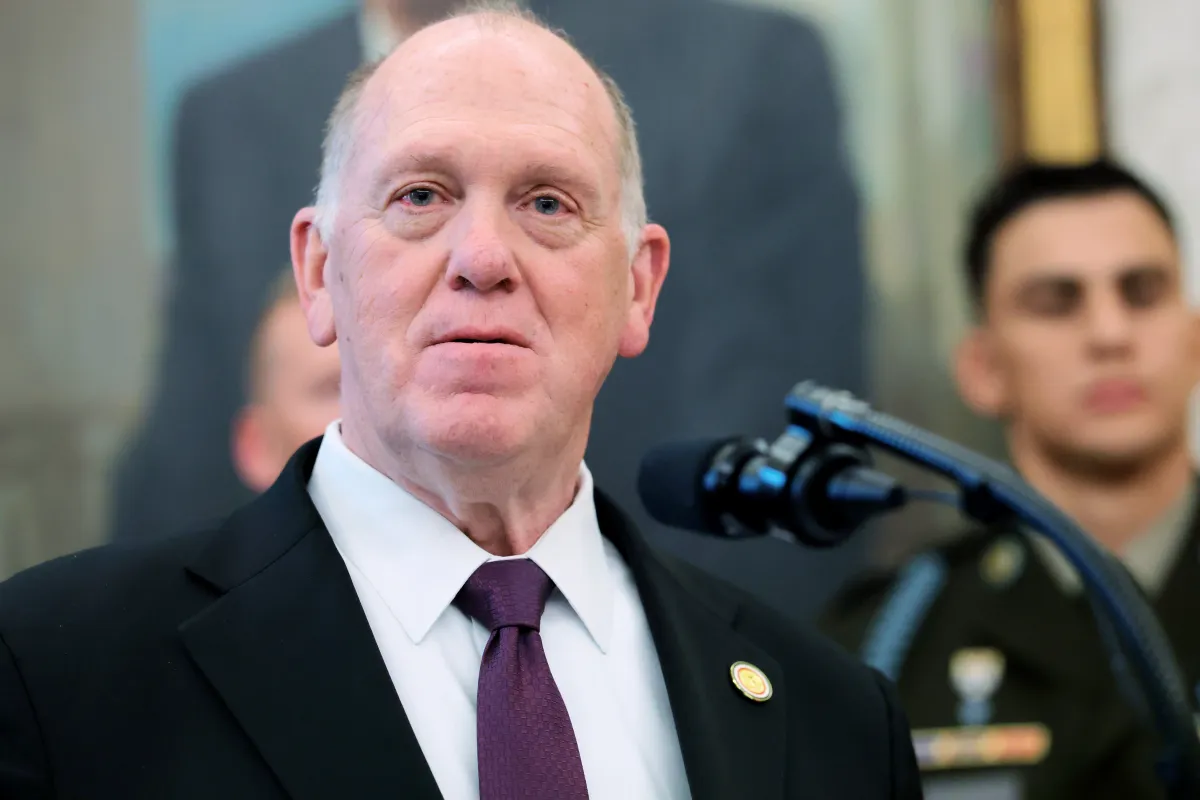
When questioned about the incident in a CBS News interview, Tom Homan carefully distanced himself from making any definitive statements, emphasizing that a proper investigation needed to run its course. “I’m not gonna make a judgment call on one video when there’s a hundred videos out there. I wasn’t on the scene, I’m not an officer that may have bodycam video,” Homan explained. When pressed specifically about Noem’s “domestic terrorism” characterization, Homan deflected, stating, “That’s a question for Homeland Security. I’m the border czar.” His reluctance to engage with the specifics contrasts sharply with the rapid conclusions drawn by some administration officials, highlighting the political sensitivity surrounding immigration enforcement actions, particularly those resulting in civilian casualties. Homan instead emphasized the importance of allowing investigators to “look at all the videos, talk to all of the witnesses, talk to the officers and make an educated decision.”
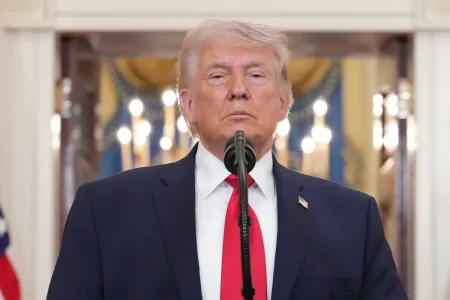
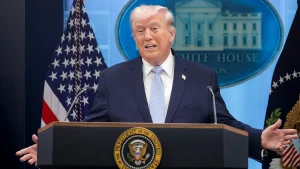
Former President Trump weighed in on the controversy via his social media platform Truth Social, calling the video “a horrible thing to watch” while ultimately supporting the ICE officer’s actions as “self-defense.” Trump characterized Good as “disorderly, obstructing and resisting” and claimed she “violently, willfully, and viciously ran over the ICE Officer.” He framed the incident within a broader narrative about law enforcement being targeted by what he termed the “Radical Left Movement of Violence and Hate.” Similarly, Vice President JD Vance publicly stated, “I want every ICE officer to know that their president, vice president, and the entire administration stands behind them.” This unconditional support for federal agents before investigations conclude has fueled criticism that the administration prioritizes enforcement over accountability in immigration operations.
Democratic leaders have responded with forceful condemnation of both the shooting and the administration’s characterization of events. House Minority Leader Hakeem Jeffries bluntly called Secretary Noem “a stone-cold liar who has zero credibility,” asserting there was “nothing to suggest the shooting of an unarmed woman in Minneapolis was justified.” This stark partisan divide illustrates how immigration enforcement has become one of the most contentious battlegrounds in American politics. Local Minneapolis officials and community leaders have called for increased accountability and transparency from federal agencies operating within their jurisdiction, with some demanding ICE’s complete withdrawal from the area. The incident has reignited longstanding tensions between federal immigration authorities and local governments, particularly in cities with significant immigrant populations.
As investigations into Good’s death proceed, the incident stands as a pivotal moment in the national conversation about immigration enforcement tactics, use of force protocols, and federal-local jurisdictional boundaries. While federal officials have not indicated plans to alter ICE operations in the Twin Cities region, pressure continues to mount from state and local leaders demanding greater accountability and oversight. The tragedy underscores the human cost of aggressive immigration enforcement policies and raises profound questions about proportionality, necessity, and restraint in federal operations. As Americans process yet another deadly encounter between law enforcement and civilians, the Minneapolis shooting seems likely to remain a flashpoint in the contentious debate over how the United States enforces its immigration laws and the impact of those enforcement actions on communities across the country.