


The Human Side of Escalation: A Deep Dive into David Sacks’ Stark Warnings
Picture this: You’re sitting at home, scrolling through news feeds or tuning into a lively podcast, when you hear something that stops you in your tracks. David Sacks, Donald Trump’s go-to expert on AI and crypto, drops a bombshell on All In about the Iran-Israel war. Not just chatter, but real talk that feels personal, like he’s speaking directly to our fears. He warns that Israel’s options could spiral into something unimaginable—a nuclear strike—if things keep escalating. It’s the kind of conversation that makes you pause, think about your family, your savings, your sense of security. We can’t contact the White House or Pentagon right now for answers, so we’re left chewing on this eerie possibility, wondering how one wrong move could change everything for millions.
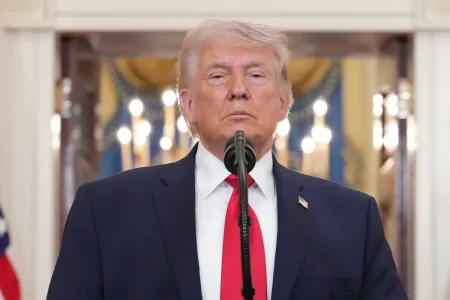
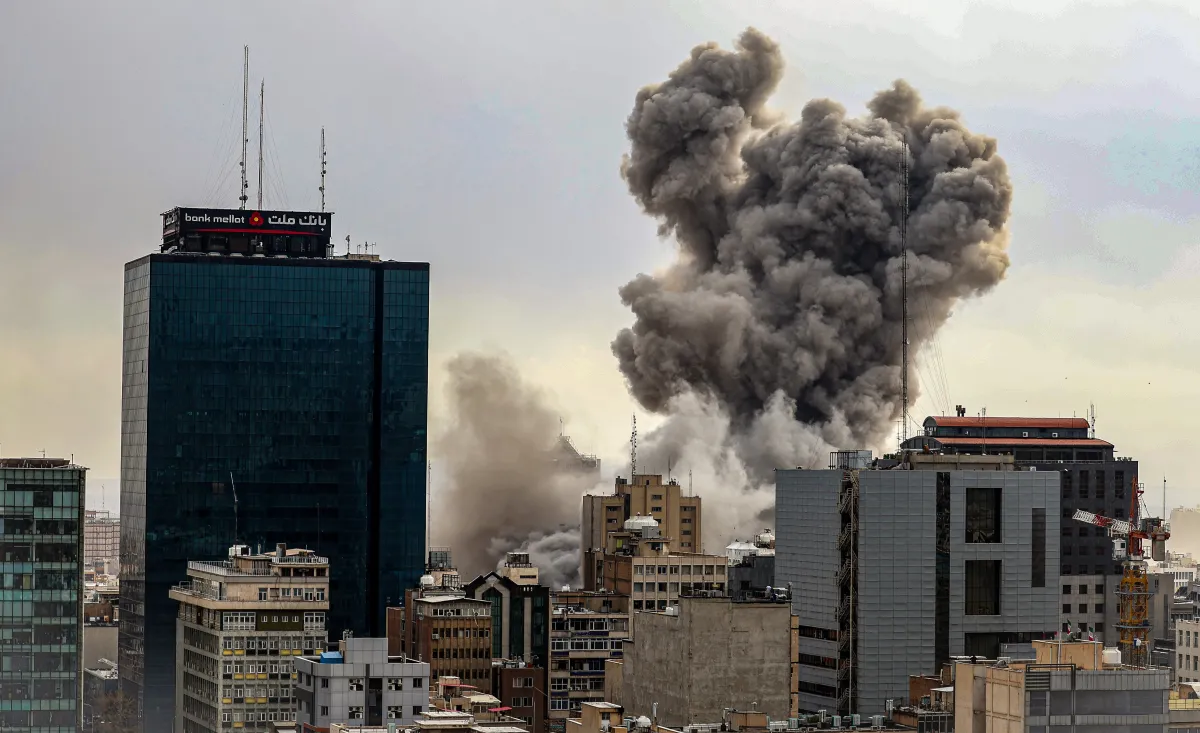
Now, let’s zoom out to the bigger picture. The conflict erupted after U.S. and Israel strikes hit Iran hard, even taking out top leader Ayatollah Khamenei. It’s not just distant headlines; people are dying, travelers are stranded with no flights, and oil prices are shooting up, pinching wallets everywhere. Families in the region face terror from airstrikes and retaliation, while we Americans argue over it at dinner tables. Trump, our potty-mouthed commander-in-chief, swung from saying the war was over in its first hour to insisting we need to “finish the job.” Half the country’s behind him, the other half is horrified, according to polls. In this polarized mess, Sacks’ words hit like a reality check, reminding us that wars don’t play favorites—they wreck lives, economies, and hopes across party lines.
Sacks doesn’t mince words on the podcast. He pushes for declaring victory and pulling out, knowing that’s what markets—that engine of our everyday stability—crave. Financial spikes would calm, trade would flow again. But there’s this hawkish group, mostly Republicans, itching to ramp things up. He lays it bare: Escalation risks hitting oil and gas pipes in the Gulf, cutting off water for neighbors, and sparking endless Iranian revenge on oil-rich states. It’s not theoretical; it’s about real homes, jobs, and resources drying up. If this drags on for weeks or months, Israel itself could face ruin—cities crumbling, people losing everything. Sacks describes it as a nightmare unfolding, making you imagine what it would be like to flee your own life.
The nuclear shadow is the scariest part, something Sacks calls “truly catastrophic.” He paints scenarios that feel ripped from a thriller: Israel desperate, weighing the unthinkable to survive a war it can’t win conventionally. The radiation, the fallout, the global panic—it could make parts of the world uninhabitable, ruining ecosystems and societies forever. As someone who’s hosted thinkers on tech and innovation, Sacks brings a human element, urging us to think about the “frightening” paths ahead. It’s not just policy; it’s about families torn apart by fear, kids growing up in a world scarred by fallout. His comments went viral, sparking that gut-wrenching mix of relief maybe we can avoid it and dread that it’s already too late.
Online, people are reacting with fire and fury. The Atlantic’s Tom Wright tweeted about Sacks’ “jaw-dropping” revelations, amplifying the warning to over a million views, framing it as a wake-up call for the Trump team’s escalation faction. On the flip side, conservative voice Bonchie from Red State calls Sacks a doom-monger, accused him of exaggerating Iran’s weakness and our strengths. Then there’s Dr. Andreas Krieg, an expert chiming in that diplomacy is the only sane choice, begging the world to unite against the madness of nuclear temptation. These voices echo our own divides—some see hyperbole, others see truth—making the debate feel intimate, like overhearing a heated family argument on Twitter threads.
So, what’s next in this uncertain dance of destruction? No one’s shouting “uncle” yet; both sides are digging in, with Israel and Iran locked in a standoff that could drag on indefinitely. Trump sends mixed vibes, leaving us guessing if we’ll see bombs or handshakes. For everyday folks, it’s about holding breath: Will markets tank further, stranding more families? Will the nukes stay in their silos, or will one decision shatter our fragile peace? Sacks’ human plea here is to prioritize exit strategies, to remember the human cost before it’s too late. In a world obsessed with progress and power, his words remind us: Wars escalate not just with weapons, but with wounded pride and unresolved grudges. We could all do with less hubris and more heart before the unthinkable becomes reality.