






Trump Administration Faces Legal Setbacks in California Voting Rights Cases
In a week marked by significant judicial pushback, the Trump administration has encountered consecutive legal defeats in California concerning voting rights issues. These rulings represent more than isolated legal disputes; they highlight the ongoing tension between federal authority and state autonomy, particularly in matters concerning election administration and representation. As courts continue to serve as arbiters in these politically charged conflicts, the implications extend beyond immediate policy considerations to touch on fundamental questions about democratic processes and the balance of power within our federal system.
The first setback came when a federal court upheld California’s Proposition 50, rejecting claims that the state’s redrawn congressional map constituted racial gerrymandering. In a 2-1 decision, the court determined that challengers failed to demonstrate race as the predominant factor driving the redistricting changes. This ruling effectively preserves electoral boundaries that could potentially benefit Democratic candidates in the 2026 midterm elections, representing a significant victory for California Democrats who had championed these district revisions. The redistricting dispute highlights the intensely partisan nature of electoral map-drawing across the country, with both parties often seeking advantages through boundary adjustments while accusing opponents of unfair manipulation.
In a separate but equally significant ruling the following day, Federal Judge David O. Carter dismissed the administration’s attempt to obtain sensitive voter information from California. The Justice Department had requested extensive personal data including Social Security numbers, home addresses, phone numbers, voter registration methods, participation history, party affiliations, driver’s license numbers, language preferences, email addresses, and current registration status. Judge Carter’s ruling emphasized that “the DOJ’s request violates federal privacy laws,” and determined that allowing amendments to the case “would be futile.” This decision represents a substantial victory for voter privacy advocates and reinforces states’ ability to protect citizen data from federal collection efforts.
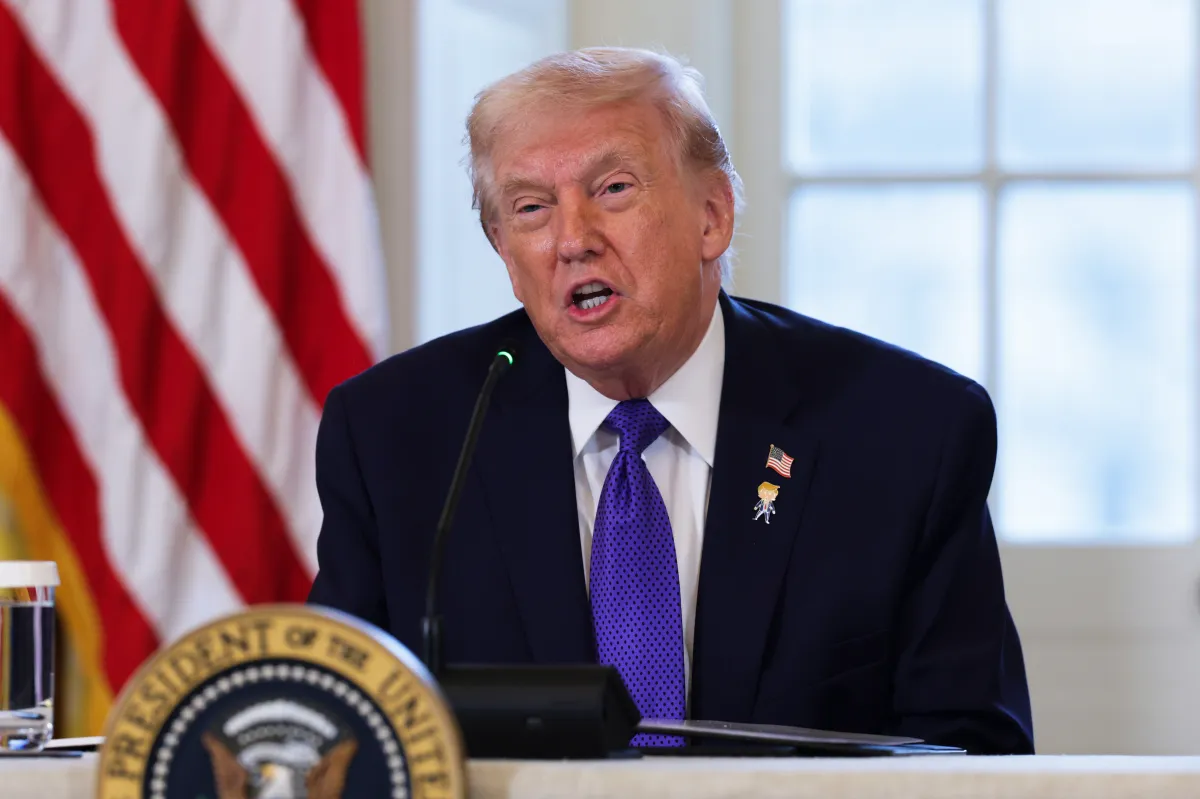
The administration’s legal defeats have quickly become fodder for political messaging on both sides. Attorney General Pam Bondi expressed disagreement with the redistricting ruling, maintaining that “California impermissibly drew its new congressional map based on race” and describing this as “unconstitutional” while noting that officials are “reviewing all legal options.” Meanwhile, California Governor Gavin Newsom’s office highlighted the successive nature of the administration’s defeats, posting that these were “Back-to-back days now of Trump and his Administration losing to California.” Secretary of State Shirley Weber, who was named as defendant in the voter data case, emphasized her responsibility to “protect the privacy of Californians’ data” while pledging to “continue to challenge this administration’s disregard for the rule of law and our right to vote.”
These legal confrontations reflect broader ideological divisions regarding federalism and voting rights in America. The Trump administration has consistently pursued policies aimed at tightening electoral regulations and expanding federal oversight of state election processes, often citing concerns about voter fraud and election integrity. In contrast, Democratic-led states like California have positioned themselves as bulwarks against what they characterize as federal overreach that could potentially suppress voting rights or compromise voter privacy. The courts’ decisions in these cases suggest at least some judicial skepticism toward expansive federal authority over state election administration, though the full implications remain to be determined through potential appeals.
As these legal battles continue to unfold, their resolution will shape not only the immediate political landscape but also establish precedents that could influence election administration for generations. The Trump administration retains the option to appeal both rulings, potentially elevating these cases to higher courts where the fundamental questions about federalism, privacy, and democratic representation will face further scrutiny. Meanwhile, states and voting rights advocates are closely monitoring these developments, recognizing that the outcome of these legal contests will significantly impact the practical implementation of election laws nationwide. At stake is not merely partisan advantage but the very nature of how American democracy functions within our federalist system.