





The Allure and Perils of Mexico Travel: Spring Break Blues Amid Cartel Shadows
As the sun-dappled beaches beckon and families start packing for spring break escapades, a cloud of caution hangs over one of America’s favorite getaway destinations: Mexico. It’s the kind of place where vibrant mariachi music and succulent tacos promise unforgettable memories, but recent events have reminded everyone that paradise comes with a price. Travel agencies, those gatekeepers of vacation dreams, are now echoing government warnings about venturing south of the border. Picture a family planning a dream trip to Cancun’s turquoise waters, only to be met with alerts flashing on their phones about simmering conflicts. Last month, cartel-linked violence erupted, turning what should be carefree travel into a game of risky roulette. The U.S. State Department has slapped a Level 2 warning on Mexico—”exercise increased caution”—citing threats from terrorism, widespread crime, and kidnappings that lurk like hidden reefs ready to snag unsuspecting travelers. Homicides, carjackings, and robberies aren’t abstract statistics; they’re real dangers that shatter the illusion of tropical tranquility. Summer’s warnings from the State Department paint a stark picture: “Many violent crimes take place in Mexico,” they cautioned, highlighting the risks of terrorist violence that could strike anywhere, from bustling cities to remote coastlines. It’s not just fear-mongering; it’s a call to awareness for those dreaming of margaritas and Mayan ruins. Travelers must confront the reality that Mexico’s beauty masks underlying chaos, prompting many to reconsider their itineraries or opt for safer havens closer to home. Yet, for some, the thrill of adventure outweighs the warnings, turning spring break into a calculated gamble where every sunset views could come with an edge of uncertainty. As airlines adjust routes and cruise ships detour, the message is clear: ignorance isn’t bliss when it comes to international travel. Families with kids imagine lazy days at the pool, but now factor in updates from apps and news feeds. It’s a shift in mindset, from carefree exploration to vigilant planning, reminding us that even in a world of quick flights and artificial intelligence helpers, the human element—judgment and precaution—is irreplaceable.
Navigating Mexico’s Uneven Terrain: Risk Levels and Regional Realities
Diving deeper into Mexico’s vast landscape reveals a patchwork of safety that varies as wildly as its terrains—from arid deserts to lush jungles. The State Department doesn’t paint the whole country with a broad brush; instead, they zoom in on specifics, classifying regions based on volatility. States like Jalisco and Baja California earn a sobering Level 3—”reconsider travel”—where the atmosphere feels charged with unspoken dangers. Imagine driving through Guadalajara’s historic streets, your heart pounding with each checkpoint or rumor of trouble. Even scarier are places like Sinaloa and Colima, where Level 4—”do not travel”—loops like a neon warning sign, effectively cautioning against venturing amid rampant cartel warfare that turns communities into battlegrounds. It’s not uniform; what happens in one corner might be irrelevant to another, making travel akin to picking cherries from a thorny bush. AAA, that trusty travel advisor for millions, underscores this in their guidance: “Conditions vary significantly by state, and what’s happening in one region may look very different from what travelers are experiencing in a major resort corridor.” Picture a couple escaping to the Riviera Maya, oblivious to the distant clashes in Sinaloa, enjoying serenity while others hunker down elsewhere. Safety isn’t a blanket statement—it’s personalized, hinging on real-time info from embassies and apps. Cartels don’t operate with one playbook; their maneuvers shift like sand dunes under the wind, influenced by local economies, politics, and global pressures. For instance, tourism hubs like Playa del Carmen hum along mostly undisturbed, their economies dependent on foreign dollars that grease the wheels of peace, at least temporarily. But flare-ups, like temporary spikes in violence, prompt shelter-in-place notices that disrupt vacations and test nerves. It’s a reminder that travel isn’t just about bookings and luggage; it’s about understanding the heartbeat of each destination. Travelers must become amateur strategists, mapping routes that avoid hotspots while savoring Mexico’s rich culture. From the culinary delights of Oaxaca to the archaeological wonders of Chichen Itza, the potential rewards are immense, yet they demand a balance of enthusiasm and evasion.
Echoes of Violence: The Aftermath of a Cartel King’s Demise
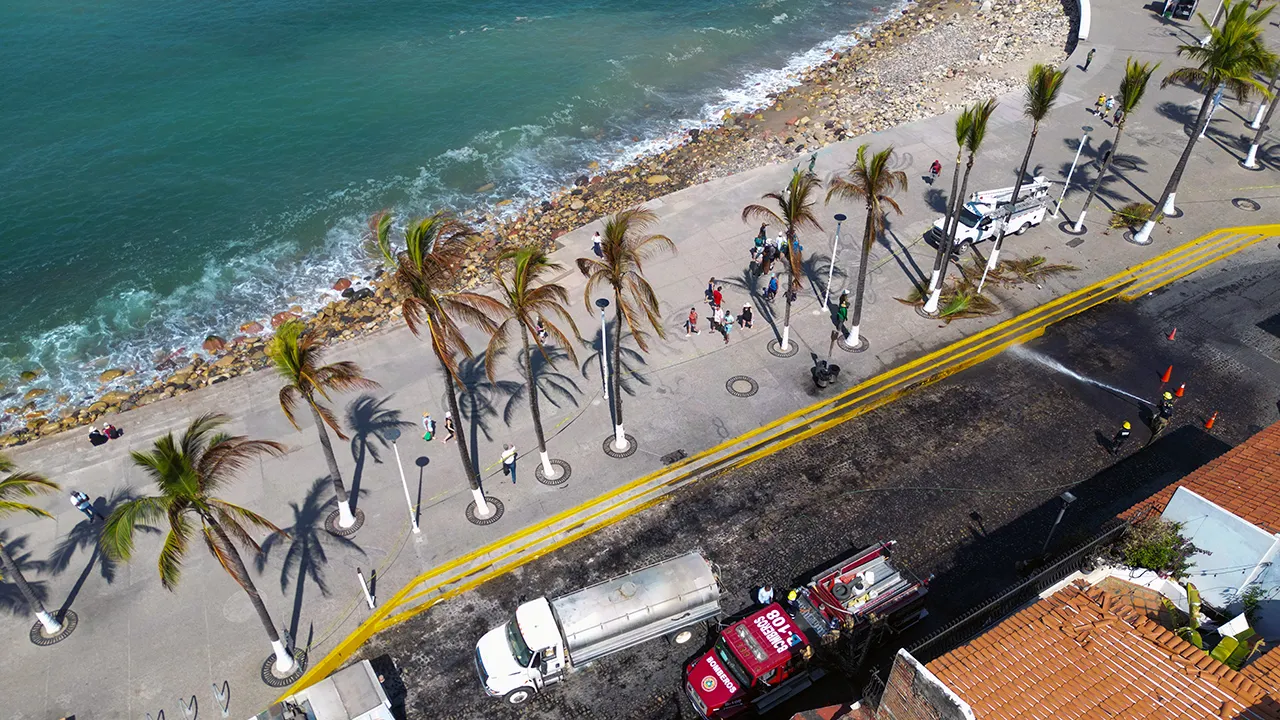
The ripple effects of last month’s deadly operation reverberate through Mexico’s veins, turning a tactical win into a chaotic aftermath that has shaken even seasoned travelers. On Feb. 22, Mexican forces, bolstered by U.S. intelligence, took down Nemesio “El Mencho” Oseguera Cervantes, the notorious leader of the Cartel Jalisco Nueva Generación. His death wasn’t a quiet exit; it unleashed a storm of retaliatory fury, with cartels retaliating across Jalisco and beyond in waves of attacks that lasted days. Imagine being midway through a vacation in Puerto Vallarta, the Pacific’s gem of palm-fringed shorelines, only to hear gunfire echoing in the distance and see residents scurrying indoors. Resorts, once havens of relaxation, became fortresses as the State Department issued shelter-in-place advisories for Americans, urging caution amid the onslaught. Cruise lines, sensing the unrest, bypassed ports in Puerto Vallarta and Guadalajara, while U.S. airlines scrapped flights, stranding some and detouring others to avoid the turbulence. Travelers recount tales of nerves frayed, from brief power outages to canceled outings, painting a picture of a land under siege. It’s not just isolated incidents; these clashes highlight the fragile equilibrium between order and anarchy in a nation grappling with deep-seated criminal networks. Jalisco, a hub of culture and commerce with its mariachi heritage and vibrant festivals, became a focal point, its tourist infrastructure bruised by the fallout. Stories of families huddled in hotel lobbies, waiting out the chaos, humanize the ordeal—kids asking why the fun stopped, parents weighing whether to cut losses and head north. The violence, tied to localized skirmishes involving authorities and gangs, serves as a stark reminder that in Mexico, peace is often a fragile veneer. Yet, even in turmoil, most visits proceed uneventfully, underscoring the sporadic nature of these crises. As spring break unfolds, this incident looms large, prompting retrospectives on how a single operation can cascade into widespread unease, affecting livelihoods and dreams alike.
The Economic Tightrope: Cartels and Tourism’s Delicate Dance
Amid the chaos, a paradoxical truth emerges: cartels, those shadowy orchestrators of Mexico’s underbelly, often tread lightly around the tourism dollar, recognizing it as a golden goose that fuels local economies and international goodwill. Paul Tumpowsky, chief revenue officer for Fora Travel, articulates this pragmatic calculus: cartels are incentivized to minimize disruptions because tourism is a massive revenue stream, injecting billions into communities. He compares it to a high-stakes chess game, where they juggle warfare with police without offending vacationers. “It’s a delicate balance,” Tumpowsky explains, “finding their way at war while preserving the industry that sustains them.” Imagine cartel leaders poring over ledgers, weighing short-term gains against long-term prosperity—disrupting beachgoers might dent profits more than it boosts their operations. Mexico’s size magnifies this diversity; Baja California operates worlds apart from Jalisco, with Cabo San Lucas standing as a bastion of relative calm, its upscale resorts and golf courses drawing elite crowds unmarred by distant storms. Similarly, Cancun and the Riviera Maya pulse with energy, their all-inclusive havens offering bubbles of safety. Experts note that outside impacted areas, travel remains predominantly safe, with cartels’ strategies shifting under pressure, perhaps prompted by perceived U.S. threats during the Trump era. Global Rescue’s Kent Webber warns that while no spot is immune to flashpoints, such events signal evolving tactics, where enforcement actions like El Mencho’s takedown don’t dismantle organizations but fracture them, sparking unpredictability. It’s a dance where tourists unwittingly play extras, their presence stabilizing the script. Yet, economic stakes aside, personal safety trumps all, urging a shift from blind enthusiasm to informed choice. Travel agencies report upticks in inquiries for alternative spots, like Costa Rica or the Caribbean, but for die-hard Mexico fans, it’s about weighing the economic tapestry against individual risks, recognizing that cartels’ survival links to the vacation industry’s health.
Expert Insights: Weighing Risks in a Volatile Landscape
Voices from the trenches of travel security lend depth to the warnings, offering grounded perspectives that blend caution with reassurance. Kent Webber, a senior manager at Global Rescue, frames the post-El Mencho era as a “new phase in cartel reactions to high-level enforcement,” emphasizing that “no travel to Mexico is ever risk-free.” His words resonate for families contemplating escapes, highlighting the need for eternal vigilance over misguided complacency. Meanwhile, Mike Ballard, director of intelligence at Global Guardian, comfortably endorses trips to unaffected zones like Cabo San Lucas, advising clients to stay informed and agile. “I’d advise travel there, as long as they’re aware and monitoring the news,” he says. “But as we’ve seen, this can all go sideways quickly—so pay attention before departing.” These experts paint a portrait of proactive prudence: imagine a business executive booking a conference in Mexico City, not just checking weather but delving into embassy alerts and local unrest. They stress that cartels’ fractures post-leadership losses amplify unpredictability, where one region’s calm belies another’s storm. Anecdotes from travelers—those who turned back flights or adapted itineraries—underscore the human cost of underestimating threats. Yet, optimism persists; many report seamless experiences, emphasizing education as the antidote to fear. Resources like the State Department’s Smart Traveler Enrollment Network become lifelines, offering real-time updates that empower decisions. Localization matters too—understanding cultural nuances helps decode dangers. Webber’s call to action isn’t alarmist but empirical: assess personal tolerance for risk, factor in family safety, and opt for insured adventures. In essence, traveling to Mexico demands a mindset of empowered awareness, where intuition guides passport-checkers, turning potential nightmares into stories of savvy survival. It’s about harmonizing wanderlust with wisdom, ensuring that the thrill of discovery doesn’t eclipse the instinct for self-preservation.
Crafting a Safe Journey: Practical Tips for Spring Break Adventurers
Arming yourself with knowledge is the cornerstone of safe travel, especially when Mexico’s complexities beckon during spring break. Start with destination-specific research—dive into State Department advisories, tracking which regions demand extrasensory caution. For instance, steer clear of Level 4 areas while embracing Level 2 zones with a plan: register via STEP for alerts, and join social platforms for traveler testimonials. Paul Tumpowsky advocates a “heightened sense of awareness, not to ruin the vacation, but to be smart,” suggesting travelers evaluate their risk threshold and plan accordingly. Picture a mother planning a family trip: she chooses resorts with robust security, arranges private transports from airports, and sets family communication protocols for emergencies. Global tracking tools and emergency apps become modern talismans, offering peace of mind on scenic drives or market strolls. Experts like Mike Ballard urge monitoring news pre-departure, ready to pivot if events escalate. Stay in well-known areas, avoid flaunting wealth, and blend in culturally—simple habits that pivot peril into prose. For broader understanding, recall that most trips proceed without a hitch, as cartels prioritize economic stability. Humanize the process: think of seasoned globetrotters sharing lore around campfires, warning of pickpockets in vibrant plazas while praising Yucatan’s hidden cenotes. Ultimately, travel embodies choice—embracing Mexico’s magic with eyes wide open, forging memories resilient to the shadows. By balancing caution with courage, spring breakers can transform warnings into wisdom, ensuring that the heart of Mexico’s allure remains accessible and adored. In this way, the nation’s vibrant tapestry—its history, cuisine, and hospitality—shines through, inviting responsible exploration that enriches rather than endangers. As seasons turn and alerts evolve, the lesson endures: informed journeys yield the richest returns, blending adventure with acumen in a world where safety and serendipity entwine.