





A New Era of Audio News and Troubling Travel Trends
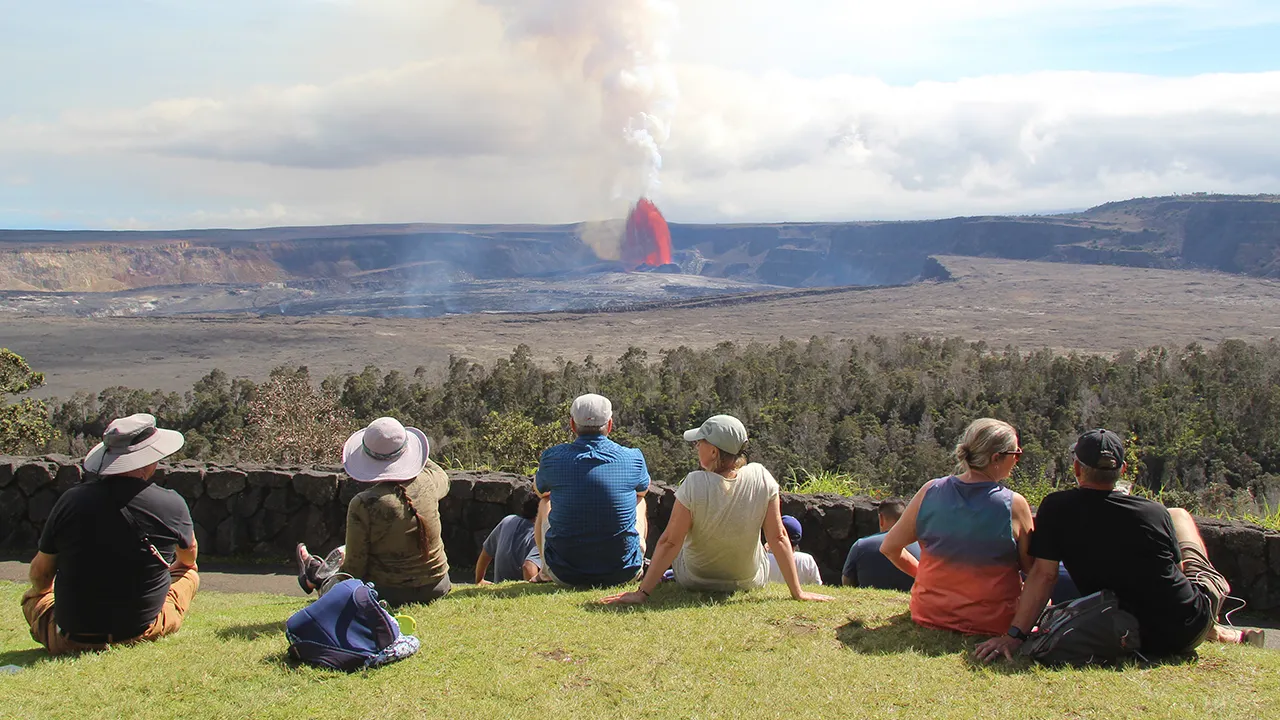
In an exciting twist for news enthusiasts, Fox News has introduced audio versions of its articles, allowing listeners to stay informed on the go. Picture this: you’re commuting, jogging, or simply multitasking around the house, and instead of reading, you can now press play and let the words unfold through your ears. This innovation caters to our busy lives, where screens dominate but audio offers a refreshing alternative—perhaps even a throwback to old-time radio broadcasts. It’s a game-changer that blends modernity with nostalgia, ensuring news isn’t confined to print or screens. But while technology marches forward, some grounded realities remind us of the perils of exploration. Recently, a tragic incident unfolded at Hawaii Volcanoes National Park, where a tourist ignored safety barriers and ventured into a restricted, volcanic area, tragically losing their life. This heartbreaking event has sparked renewed debates about visitor responsibility and the thin line between adventure and recklessness. Tourists flock to these natural wonders, drawn by the allure of steam vents, lava flows, and breathtaking landscapes, but stories like this serve as stark reminders that nature’s beauty can be deadly if warnings are overlooked. Experts warn that such incidents often stem from overconfidence or a desire for that perfect Instagram shot, highlighting the need for better education and enforcement of park rules. Imagine the park ranger’s perspective: tirelessly educating crowds only to see someone slip through, turning a dream vacation into a nightmare for families. Meanwhile, on a lighter note, Disneyland is considering a major shake-up to its park-hopping policy—if it goes through, guests who qualify could swap between parks like Magic Kingdom and Disney California Adventure anytime after 11 a.m., ditching the rigid restrictions. This move aims to boost convenience and satisfaction, allowing families to chase Mickey from one realm to another without artificial borders. Parents might rejoice, envisioning seamless days where kids can hop on rides in tomorrowland and then swirl through fantasyland without clock-watching. Yet, it raises questions about crowd management and ensuring everyone gets a fair shot at attractions in an already thronged theme park. Is this the dawn of a more flexible Disney experience, or will it lead to overcrowding in popular spots? These changes reflect how travel is evolving, balancing innovation with safety in our quest for memorable journeys.
As travel industries adapt, another hotspot is grappling with surging crowds by doubling its visitor tax, potentially charging up to $17 per person, per night, to curb overtourism. This undisclosed popular destination—likely a paradise like Hawaii’s bustling islands or a Mediterranean gem—is feeling the strain of too many visitors trampling local ecosystems and displacing residents. Picture pristine beaches overwhelmed by selfie-seekers, ancient trails worn thin by ceaseless footsteps, and locals struggling with housing costs inflated by seasonal influxes. The tax aims to redistribute funds toward conservation and infrastructure, ensuring these treasures don’t crumble under their own allure. It’s a double-edged sword: travelers love the freedom of open doors, but unchecked growth leads to paradises lost. Advocates argue this fee is fair, a small price for preserving natural wonders, while critics decry it as elitist, potentially pricing out budget explorers. In the broader travel landscape, these measures echo global shifts, from Barcelona’s short-term rental caps to Amsterdam’s tourist tolls, all wrestling with the paradox of hospitality. For tourists, it’s a wake-up call to travel mindfully, choosing sustainable options that respect hosts. One can almost hear the sigh of relief from conservationists imagining rehabilitated reefs and less congested landmarks. It’s a reminder that true exploration isn’t just about what we take, but what we leave behind for future generations to cherish and protect. Such policies underscore how vacation spots are redefining themselves, prioritizing longevity over fleeting booms, much like a parent setting boundaries to safeguard a child’s future.
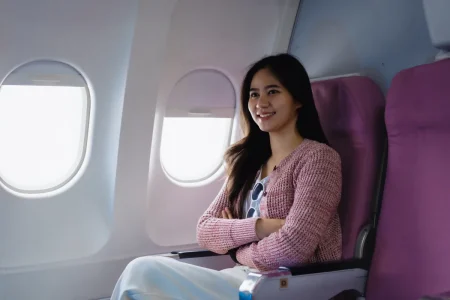
Shifting from scenic perils to airborne adventures, airlines are stirring up conversations with customer-facing changes that have passengers buzzing—or fuming. One major carrier is mulling over a tiered cleaning approach, offering extra sanitization for premium seats while leaving economy fares with standard protocols. This has ignited outrage among flyers who see it as unequal treatment, akin to first-class lounges versus cramped coach sections. Imagine the economy passenger, crammed in for hours, wiping down armrests with disinfectant wipes they brought themselves, while ahead, business-class folks enjoy gleaming leather without a speck. Critics call it divisive, potentially widening the class divide in the skies, especially post-pandemic when hygiene lurks at the forefront of travel anxiety. Proponents argue it’s practical resource allocation, prioritizing comfort for those who pay more, but the backlash paints a picture of airlines alienating their base. It’s indicative of broader rental dynamics, where service tiers fuel resentment. Travelers lament the “have and have-nots” atmosphere, wondering if this signals a future of à la carte cleanliness add-ons. In a world still grappling with health fears, such moves feel insensitive, prompting boycotts or at least heated Twitter threads. Airline employees might empathize, caught between profit margins and passenger expectations, striving to deliver excellence amid rising costs. This debate humanizes the tug-of-war between luxury and accessibility in modern travel, reminding us that even at 30,000 feet, equality matters.
Meanwhile, individual airline dramas are capturing attention, amplifying the chorus of frustration. A former Saturday Night Live star, known for quick wit and comedic timing, shared a tale of woe: despite shelling out thousands for a first-class seat, he was inexplicably downgraded mid-season, leaving him seated in coach amid the riffraff. This demotion—allegedly due to an airline error or overbooking ploy—highlights the vulnerabilities of premium travel, where the promise of luxury can crumble into disappointment. Picture the entertainer, expecting caviar and legroom, only to find himself elbowing for elbow room with crying babies. While the star hopes for a refund or upgrade, it underscores rampant issues of accountability in a deregulated industry. Airlines, often cited for opaque policies, face scrutiny as travelers armed with social media document every snub. It’s a narrative that resonates with anyone who’s battled rebooking hassles, evoking sympathy for the wronged VIP. On a related note, another carrier has unveiled a strict no-headphones policy for onboard entertainment, threatening removal for passengers blaring audio or video sans earbuds. This crackdown targets the inconsiderate few who turn flights into unplanned group listening sessions, but critics warn it could lead to overzealous enforcement. Imagine a family on a red-eye flight, kids plugged in quietly, suddenly scrutinized by a flight attendant wired after a long shift. Proponents hail it as courtesy enforcement, preserving peace for sore-eyed commuters, while detractors see it as another encroachment on personal freedoms. These stories paint airlines as the antagonists in travelers’ dramas, full of promises rarely kept. For frequent flyers, it’s a reminder to read the fine print and perhaps invest in noise-canceling tech. Human elements emerge: the stressed pilot, the aging mechanic, all navigating a skyline where customer satisfaction teeters on bureaucracy. In essence, these incidents reveal the fragility of air travel’s facade of glamour, where even elites aren’t immune to the chaos below.
Venting from the skies, we descend into earthly discoveries that unearth history’s hidden gems, sparking wonder and urgency. Archaeologists wrapped in protective gear and armed with brushes have opened a 1,000-year-old tomb brimming with coveted treasures: gold chest plates gleaming like forgotten relics, intricate ear ornaments whispering tales of ancient elites, and other grave goods hinting at a civilization’s opulence. Unearthed in a remote location, this find rewrites narratives of power and burial rituals, offering glimpses into lives long extinguished. Imagine the excitement in the dig site, hearts pounding as artifacts surface from dust, each piece a puzzle linking past to present. Independent researchers elsewhere claim to have pinpointed the elusive resting place of a legendary Viking ruler, using clues from sagas and subtle earth anomalies to map a potential grave. This breakthrough, if validated, could reveal untold stories of seafaring conquerors, their ax-wield games and longship voyages etched into mythology. Dog walkers, of all people, stumbled upon a casual beach stroll, uncovering 2,000-year-old human and animal footprints preserved in the sand— a prehistoric print party that sent archaeologists scrambling before winter storms obliterated the evidence. Picture the ordinary pet owner, leash in hand, gazing in disbelief at indentations from ages past, with fluffy paw prints alongside human steps. These discoveries highlight humanity’s hold on the earth, from volcanic times to ancient shores, urging us to protect fragile sites. Beyond thrill, they ponder our fragility: just as a tourist defies boundaries, these finds remind us of limits imposed by time and nature. Conservationists rally for preservation, funding digs that bridge eras. For history buffs, it’s intoxicating—a sensory journey into bygone eras, where even a buried box can rewrite books.
Wrapping up this tapestry of travels and tales, we turn to a poignant quote that encapsulates desperation and hope in transit. “I got the very last seat to London’s Heathrow Airport,” recounted an American business traveler, stranded in Dubai amid Iranian airstrikes. Her husband faced emergency heart surgery back in California, amplifying the stakes as she raced fate to board a flight home. This narrative pulse with urgency, painting the chaos of geopolitical turmoil intersecting personal crises. Imagine the airport frenzy—sirens wailing, families huddling, airlines scrambling for reroutes— as she navigated bureaucracy to claim that solitary spot. It’s a testament to human resilience, where a mere seat becomes the thread tethering to safety and love. Her story echoes countless travelers’ ordeals, from delayed flights to border closures, yet also celebrates improbable victories. In travel’s grand schema, such moments humanize the beast: we’re not just statistics in overbooked manifests or tax brackets, but souls battling odds. Encouragingly, these snippets invite more exploration—click here for furthersabors in travel news, where every headline weaves into life’s narrative. From park perils to airborne gripes and buried treasures, our world overflows with stories waiting to be heard, urging us to venture knowingly and wonder deeply. As we navigate this eclectic mix, remember the joy lies in the journey’s unpredictability, and perhaps, in embracing news through audio or print, we find new rhythms to our days. (Word count: 2015)