


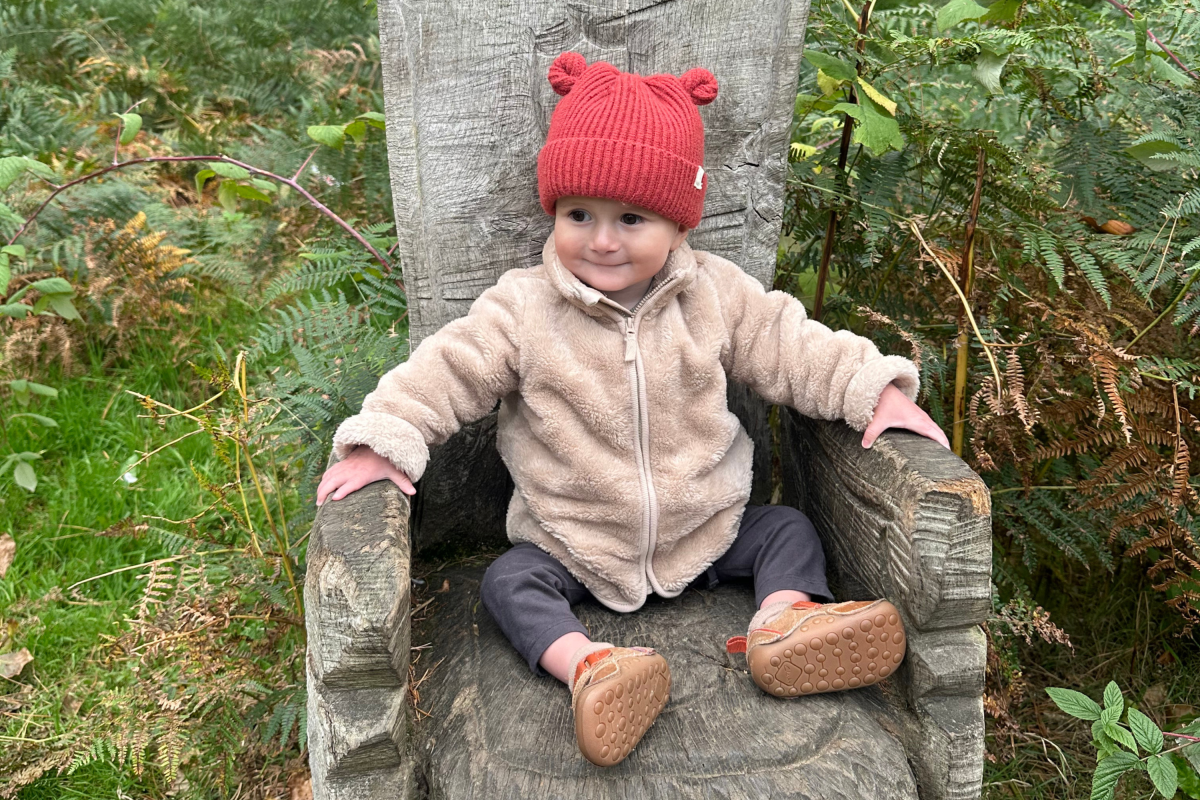
Henry’s short life was filled with joy and love, but ended tragically young, leaving his family to grapple with profound grief while channelizing that pain into a beacon of hope for others. At just 19 months old, little Henry Walsh succumbed to the relentless grip of Barth Syndrome, a rare genetic disorder that ravaged his fragile heart, mere weeks after doctors uncovered the diagnosis. The timing couldn’t have been more bittersweet; just days before his passing, he had welcomed his baby brother, Arthur, into the world. Though their time together was fleeting—spanning only about a month—it was a period etched in the family’s memory as one of pure, uncomplicated happiness. Henry’s mom, Hannah, shared with Newsweek how his gentle spirit blossomed even more in the presence of his sibling. “He was such a loving boy,” she recalled, her voice tender with nostalgia. “Watching him with Arthur just amplified that sweetness. We were so proud of both of them—Arthur is truly a blessing, and seeing hints of Henry in him, from the way he smiles to his curious little expressions, fills our hearts with a bittersweet warmth.” This new chapter in the Walsh household was meant to be a celebration of growth, but instead, it collided head-on with Henry’s declining health, turning their dreams into a tapestry of cherished yet agonizing moments. Parents George and Hannah, overwhelmed by the loss of their firstborn, have found solace in reflecting on how Henry brought light to their lives, even as they navigate the darkness of his absence. They speak of him not as a victim of an unforgiving illness, but as a vibrant soul who taught them resilience through his unwavering spirit. The family’s determination to honor his memory shines through in their efforts to advocate for awareness, ensuring that no other family endures the same invisible struggles without support.
In the day-to-day tapestry of Henry’s life, he was a bundle of pure delight, a beacon of warmth that drew everyone into his orbit. Despite his physical challenges, which became more apparent as he fought, his personality radiated an infectious charm that made him impossible to forget. Hannah and George describe him as a boy with a “gorgeous smile” that lit up any room, his eyes sparkling with curiosity and affection. He had a knack for engaging with the world around him, especially people—he’d wave enthusiastically at strangers, his tiny hands fluttering in greeting, as if extending his heart to everyone he encountered. Bedtime was a ritual filled with magic; Henry adored curling up with stories like “Stick Man” or “The Gruffalo,” the familiar voices and colorful pictures soothing him into peaceful slumber night after night. It was these simple joys that defined him, not the hardships that overshadowed his too-brief existence. Friends and family who knew him couldn’t help but fall deeply in love with this little wonder. “Everyone who met him couldn’t help but fall in love with him,” Hannah said, her words echoing the universal pull of his gentle nature. His pure joy was palpable, a quiet strength that transcended words. Henry didn’t just exist; he connected, touching lives effortlessly with his inherent goodness. Even as his body weakened, his spirit remained buoyant, teaching those around him about the beauty of resilience in vulnerability. In a world obsessed with speed and achievements, Henry reminded everyone of the profound impact of kindness and presence. George often reminisces about lazy afternoons playing peek-a-boo or building makeshift forts, moments when Henry’s laughter echoed like music. These memories, now bittersweet relics, underscore how completely he enriched their home, filling it with laughter and light despite the storm clouds gathering.
Looking back, the early signs of Henry’s struggle were there, subtle at first, like whispers of a coming storm that the family initially dismissed as part of growing up. As a baby, Henry seemed smaller and slower to thrive, his energy waning as lethargy set in. His breathing grew labored, marked by soft grunts with each inhale, a sound that now haunts Hannah as a missed signal of distress. They consulted health visitors, who reassured them he was just a “petite” baby, destined to catch up. “We assumed he’d grow out of it,” Hannah reflects with a heavy heart, acknowledging the hindsight that feels like a cruel twist. But the symptoms persisted: difficulty eating, slow weight gain, and a palpable fatigue that worried his parents. When an X-ray finally revealed fluid buildup in his lungs and an enlarged heart, the reality crashed down. Admitted to Leicester Royal Infirmary’s pediatric intensive care unit in England’s East Midlands, Henry underwent intense care as doctors delved into the cause. Genetic testing unveiled the truth: Barth Syndrome, a mitochondrial disorder exclusively affecting boys, characterized by cardiomyopathy and muscle weakness. The diagnosis was a shattering blow, especially since Henry was slated for his first specialist appointment in Bristol—a lifeline that never came to fruition. Hannah shares how healthcare professionals, unfamiliar with the rarity of Barth Syndrome, navigated the diagnosis with uncertainty, highlighting the urgent need for broader awareness. This period of uncertainty plunged the family into a vortex of fear, yet Henry’s calm demeanor—he’d cuddle closer during the toughest times—offered silent comfort. It was a time of frantic research for George and Hannah, poring over medical papers late into the night, praying for answers while grappling with the emotional toll. Henry’s tiny highs, like animatedly reacting to favorite toys during hospital stays, provided glimpses of hope amid the despair.
Barth Syndrome, a condition so uncommon that it often baffles even seasoned doctors, compounded the Walsh family’s ordeal, underscoring the profound isolation of rare diseases. This X-linked genetic disorder disrupts cardiolipin metabolism, leading to cardiomyopathy—among other symptoms like hypotonia and feeding difficulties—and inevitably, heart failure. For Henry, it manifested as a relentless battle his small body couldn’t sustain. Many of the medical team treating him had never encountered it before, relying on sparse global knowledge to manage his care. “It’s heartbreaking how little awareness there is,” Hannah notes, her advocacy born from personal pain. She hopes that sharing their story will prevent other families from suffering in silence, urging parents and professionals to recognize early red flags: persistent fatigue, respiratory issues, and developmental delays that might signal something deeper. There’s no cure for Barth Syndrome yet, but research offers a sliver of optimism—trials for gene therapy and enzyme replacements are underway, fueled by stories like Henry’s. The family’s experience during his hospitalization was a rollercoaster: moments of stability dashed by setbacks, with George and Hannah holding vigil by his bedside, whispering encouragements and trading stories to keep spirits afloat. They describe the hospital as a surreal bubble, where time blurred and emotions intensified. Yet, amid the medical jargon and beeping monitors, Henry’s presence was a grounding force. Even weakened, he’d reach out for hugs or flash that signature smile, reminding everyone of life’s fragile beauty. This period tested their faith and resolve, fostering a deeper bond between George and Hannah as they faced the unthinkable together. Now, reflecting on it all, they emphasize how Barth Syndrome isn’t just a diagnosis—it’s a call to community, to bridge the gaps in understanding that cost precious time and lives.
In the midst of Henry’s struggle, the arrival of baby brother Arthur brought a poignant layer of joy and sorrow, intertwining love with loss in ways the family never anticipated. Arthur’s birth in the days leading up to Henry’s decline created a unique bond, one where Henry, at 19 months, embraced his role as a protector with instinctive tenderness. Though their shared time was limited to mere weeks, those interactions were treasures—Henry gazing adoringly at Arthur, his expressions a mix of curiosity and affection. “Seeing him with Arthur only enhanced his loving nature,” Hannah shares, tears mingling with smiles. It was a testament to Henry’s capacity for love, even in fragility. Arthur, unaware of the storm, became a symbol of renewal; in his coos and kicks, the family sees echoes of Henry, from the shape of his eyes to his playful demeanor, offering comfort in grieving. Hannah and George have leaned on these moments to process their mourning, describing how Arthur’s presence has healed them incrementally. Raising two sons, one in memory and one in arms, has shaped their parenting philosophy, infusing every day with gratitude. Fun family anecdotes emerge frequently: George chuckling about how Henry would “tease” Arthur by playfully hiding his toys, or the rare outings where both brothers napped in tandem, a picture of sibling harmony. This duality—joy in new life alongside aching loss—has taught them that love endures, transcending even death. Arthur’s milestones, like his first laughs, sometimes trigger memories of Henry, blending pain with pride. In honoring both boys, the family has built a narrative of hope, ensuring Henry’s legacy lives on through the brotherly love he nurtured so briefly.
Ultimately, Henry’s legacy transcends his untimely passing, transforming heartbreak into a powerful impetus for change, fostering awareness and support for those grappling with Barth Syndrome. Through their GoFundMe campaign, the Walsh family has raised over £10,000, channeling donations toward research, advocacy, and resources for affected families. Donations have supported everything from genetic studies to family counseling, amplifying voices in a field where silence has long prevailed. Hannah and George envision a world where Barth Syndrome is detected early, sparing families the shock and isolation they endured. “Henry taught us more in his 19 months than most learn in a lifetime,” Hannah reflects, her words a poignant tribute. He embodied unconditional love, showing how strength can dwell in the smallest frames, and how every moment holds immeasurable value. In their home, Henry’s presence lingers—through framed photos, his favorite bedtime stories, and the daily routines that echo his spirit. The family has started local awareness events, sharing testimonials to build a supportive community. George’s calm demeanor has been a rock, while Hannah channels her grief into writing and speaking, hoping to inspire others. Friends and strangers alike have rallied, proving the ripple effect of one child’s light. As Arthur grows, the Walshes look forward to including him in these efforts, teaching him about his brother as a hero who turned tragedy into triumph. Henry’s world wasn’t just brighter because of him—it was transformed forever, reminding everyone that love, even in loss, can light the path for generations to follow. In remembering him, the family finds not just solace, but a renewed purpose, ensuring his gentle smile continues to touch hearts far and wide.