





The Shock of a Legend’s Fall
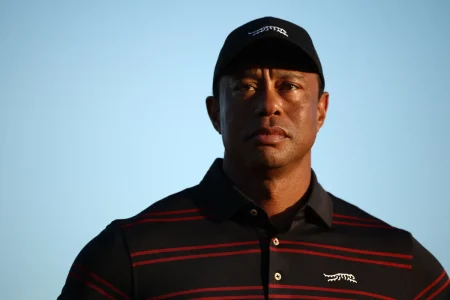
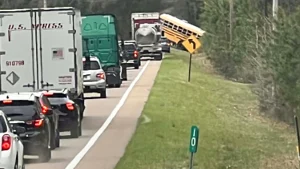
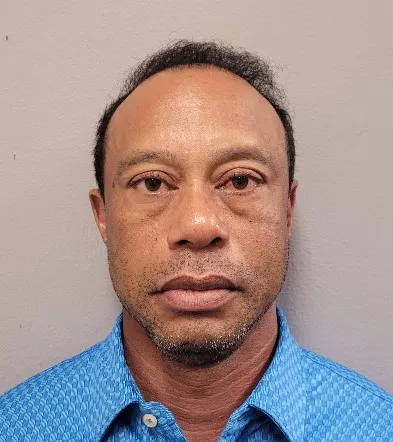
Tiger Woods, the golf icon whose swings and triumphs have captivated fans for decades, found himself in an unexpected and sobering spotlight on a sultry Friday afternoon in Florida. At just before 2 p.m., on the serene roads of Jupiter Island, a seemingly routine drive turned into a nightmare when Woods’ Land Rover overtook a pickup truck hauling a trailer. In what locals describe as a heart-stopping moment, the vehicle clipped the trailer’s back, sending it rolling over in a spectacular crash. The sheriff’s office released Woods’ mugshot to Newsweek later that day, a stark image that painted a picture of a man far from the green fairways, his face etched with the weariness of a tough situation. At 50 years old, Woods wasn’t hitting birdies—he was facing charges of driving under the influence, property damage, and refusing a lawful test. It’s the kind of story that hits home for anyone who’s ever watched a hero stumble, reminding us that even legends are human and vulnerable to the same mistakes as the rest of us.
No one was seriously hurt in the incident, which brought a small measure of relief amid the chaos. Woods and the other driver, whom authorities quickly cleared without further details, walked away from the wreck unscathed, their escape like a fortunate twist in an otherwise unfortunate tale. Jupiter Island Police Department investigators initially suspected impairment behind the wheel, a hunch that put the spotlight on Woods as he exited the vehicle through the passenger-side door, showing the kind of dazed demeanor that raises eyebrows and questions. Sheriff John M. Budensiek, a straightforward lawman with years of experience navigating Florida’s roads, stood before reporters to share what the early probe uncovered. “It was a rollover crash, plain and simple,” he might have said in his down-home way, emphasizing that while suspicions of alcohol use lingered initially, the scene reeked more of recklessness than intoxication.
The sheriff’s press conference painted a vivid scene of the crash: Woods’ SUV surging ahead recklessly, clipping that trailer hitch—a mistake that could have been anyone’s on a busy island road. “He must have been going a bit too quick,” an onlooker might have reflected later, imagining the roar of the engine and the screech of tires as the Land Rover tipped. But it wasn’t just the crash that landed Woods in hot water; it was what happened afterward that sealed his fate. Authorities confirmed the charges included DUI—not from alcohol, it turned out—but from an insistence on testing that went unheard. Woods cooperated with a Breathalyzer at the jail, blowing a perfect triple zero, showing no alcohol in his system. Yet, when asked for a urinalysis to check for other impairments like drugs, he refused, a decision that added “refusal to submit to a lawful test” to his charges. Sheriff Budensiek explained it matter-of-factly: “We weren’t drinking alcohol at first, and that held true—we really weren’t suspicious of booze being involved, and that proved to be true at the jail.” Woods blew triple 0s, but his no to the further test left investigators with no choice but to charge him.
It’s easy to humanize this, to see Woods not as a golf god but as a dad, a driver, a man possibly dodging the pressures of fame in the comfort of high-end wheels. Jupiter Island, that exclusive enclave where mansions dot the shores and secrets linger in the salty air, became ground zero for this drama. Residents whisper about what might have led to the clip of the trailer—was it a momentary lapse, fatigue after grueling travel, or something deeper? The mugshot shared with Newsweek portrayed a subdued Woods, far from the victorious grin after a Masters win, prompting sympathy and head-shakes from fans worldwide. “He’s been through so much,” one longtime supporter might say, recalling his comebacks from injuries and personal lows. This arrest tumbles onto pages of his biography like another hurdle, yet it underscores the universal truth: even at the height of success, life’s roads can roll over unexpectedly.
As the story develops, curiosity mounts about the next chapters. Sheriff Budensiek warned it’s an ongoing probe, with more facts likely to emerge about the property damage from the crumpled Land Rover and the trailer’s fate. Woods’ legal team will no doubt mount a defense, while public opinion sways—some decry his refusal as haughty, others chalk it up to privacy instincts in the glare of celebrity. In Martin County, talking heads debate the fairness, like over coffee at a local diner, where folks swap tales of their own close calls. “That could’ve been me speeding on those curves,” a truck driver might admit, empathizing with the split-second error. The human element here is palpable: a star athlete, admired for precision on the course, now accused of flouting rules in real life, leaving us all to ponder the fragility of reputation and the steep price of poor choices.
In the end, Tiger Woods’ Jupiter Island episode feels like a cautionary parable, blending celebrity drama with everyday risks. The mugshot, released so promptly, serves as a reminder that transparency cuts both ways—it exposes, but also humanizes, showing even the greats can err and face consequences. As updates trickle in, we’re left reflecting on resilience: Woods has clawed back from setbacks before, like his 2019 car crash that nearly shattered his legs. Now, with charges pending, the golf world watches breathlessly, hoping for redemption rather than ruin. It’s a developing story, but one that tugs at the heartstrings of humanity, proving that heroes aren’t immune to the bumps on life’s highway.