






California Air Quality Deteriorates: Thousands Advised to Stay Indoors
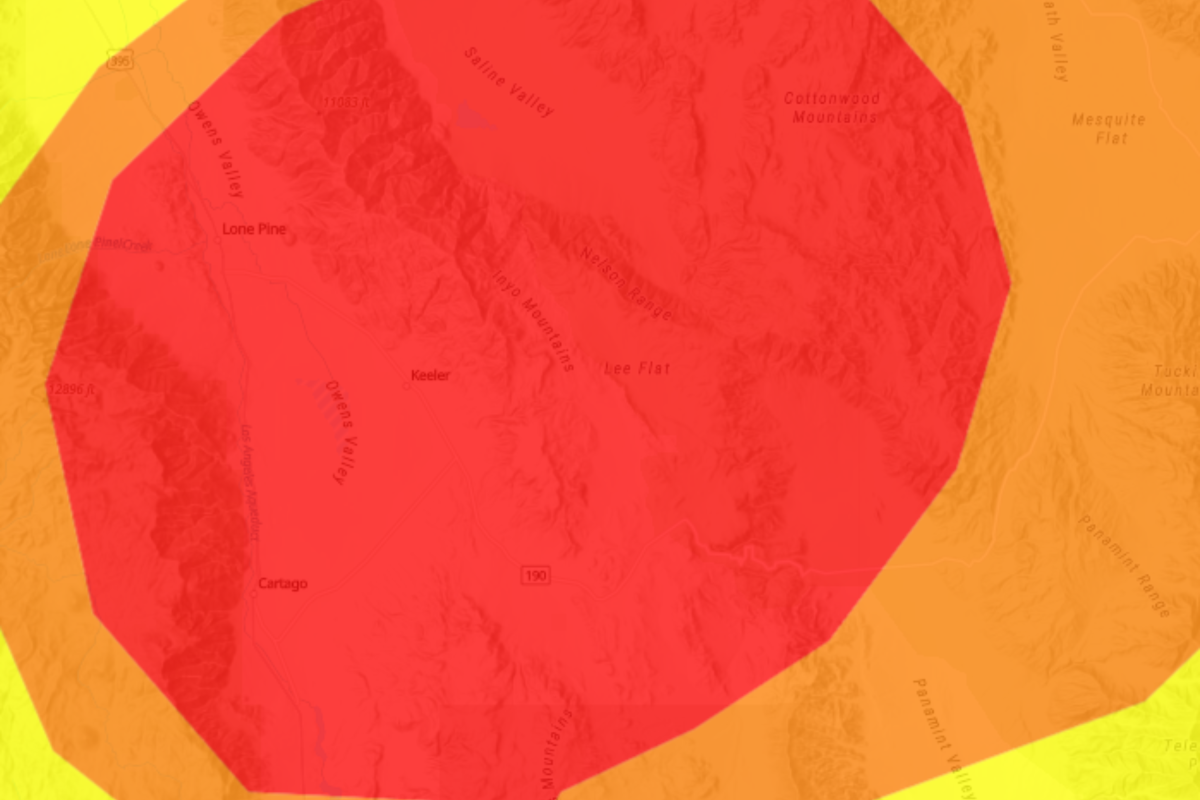
A concerning wave of fine particle pollution has swept across eastern California, prompting health officials to urge thousands of residents to remain indoors. According to recent AirNow monitoring data released early Thursday morning, communities including Keeler, Lone Pine, and Cartago are experiencing “unhealthy” levels of PM2.5 pollution on the Air Quality Index (AQI). This classification represents a significant health risk, particularly for vulnerable populations who now face potential respiratory complications if exposed to the outdoor environment for extended periods.
The Environmental Protection Agency has issued specific guidance in response to these deteriorating conditions. For sensitive groups—including children, seniors, and individuals with pre-existing health conditions—the recommendation is clear: avoid lengthy or strenuous outdoor activities entirely when possible. These populations face heightened risks from airborne particulates that can penetrate deep into the lungs and potentially enter the bloodstream, exacerbating respiratory and cardiovascular issues. Even for those without underlying health concerns, officials suggest reducing outdoor exertion and incorporating frequent breaks during necessary outside activities to minimize exposure to the harmful air.
PM2.5 particles, measuring less than 2.5 micrometers in diameter, pose particular danger because of their microscopic size—approximately 30 times smaller than a human hair. These invisible threats can bypass the body’s natural defense mechanisms and cause both immediate irritation and potential long-term health consequences. Short-term exposure often results in eye irritation, coughing, sneezing, and shortness of breath, while prolonged contact has been linked to serious conditions including decreased lung function, irregular heartbeat, heart attacks, and premature death in people with heart or lung disease.
The current situation highlights the ongoing challenges California faces with air quality management, particularly in regions where geographic features like valleys and mountains can trap pollutants. While the specific source of this pollution event hasn’t been identified in initial reports, common contributors to PM2.5 include wildfire smoke, vehicle emissions, industrial activities, and agricultural operations. The combination of these factors with unfavorable weather patterns—such as temperature inversions that prevent vertical air mixing—can quickly create dangerous air quality conditions even in typically clean areas.
For residents in the affected regions, this advisory means adjusting daily routines to prioritize health. Schools may need to cancel outdoor recess and athletic practices, while employers should consider flexible work arrangements for employees with respiratory sensitivities. Indoor spaces with proper air filtration become crucial refuges during such events, with experts recommending the use of HEPA filters and keeping windows closed to maintain cleaner indoor air. Community members are also encouraged to check on elderly neighbors and others who might require assistance or may not have access to air-conditioned environments.
As this situation continues to develop, local authorities are expected to provide updates on pollution levels and expand recommendations as needed. Residents are advised to stay informed through official channels and air quality monitoring applications, which can provide real-time data about changing conditions. While uncomfortable and disruptive, these precautionary measures reflect growing recognition of air quality as a critical public health concern—one that requires both immediate protective actions and longer-term policy solutions to address the underlying causes of pollution events that increasingly affect communities throughout California and beyond.