


California Communities Face Health Concerns as Air Quality Deteriorates
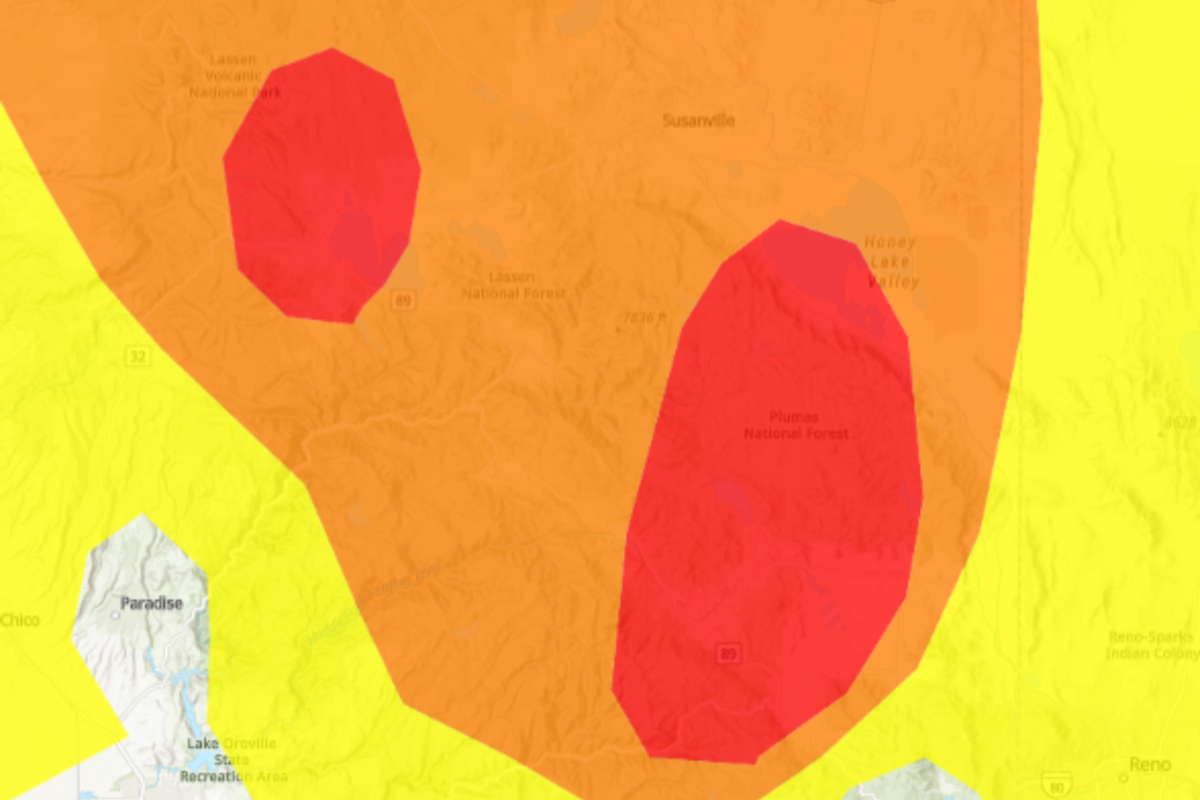
Across several regions in California, thousands of residents have been instructed to limit their outdoor activities as air quality reaches concerning levels. According to recent data from AirNow, communities surrounding Portola, Chester, and areas within the Plumas National Forest and Sierra Valley are experiencing “unhealthy” levels of fine particle (PM2.5) pollution. These microscopic particles, which can penetrate deep into the lungs and even enter the bloodstream, pose significant health risks when present in high concentrations. The advisory, issued early Tuesday, has prompted public health officials to recommend that vulnerable populations stay indoors while encouraging the general public to modify their outdoor plans accordingly.
For many families in these affected areas, this air quality crisis represents yet another environmental challenge in a state that has increasingly grappled with climate-related issues. Parents of young children, caregivers of elderly relatives, and those managing respiratory conditions like asthma or COPD now face difficult daily decisions about routine activities. Something as simple as walking the dog, letting children play outside, or exercising outdoors now carries potential health consequences. The Environmental Protection Agency has specifically highlighted that sensitive groups—including children, seniors, pregnant women, and those with heart or lung conditions—should be particularly cautious, avoiding prolonged or intense outdoor exposure entirely if possible.
The appearance of these dangerous air quality readings isn’t occurring in isolation. California has experienced increasingly severe wildfire seasons in recent years, with smoke plumes capable of traveling hundreds of miles and affecting air quality far from actual fire sites. While authorities haven’t explicitly linked this current air quality situation to specific wildfires, the pattern fits within the state’s growing struggle with environmental air pollution. For residents in the Sierra Nevada foothill communities, these advisories have become an unwelcome but increasingly familiar part of life, particularly during late summer and fall months when wildfire risks typically peak.
Local response to these air quality concerns reflects both community resilience and the growing normalization of environmental hazards. Schools in affected regions are likely implementing indoor recess policies, community events may be postponed or relocated indoors, and residents are checking air quality apps alongside weather forecasts before planning their days. The economic impact extends beyond health concerns, affecting tourism, outdoor businesses, and the general quality of life in communities that have traditionally celebrated their natural surroundings and outdoor recreational opportunities. For many residents, the psychological toll of repeatedly retreating indoors due to environmental concerns contributes to a sense of “climate anxiety” that researchers have identified as increasingly common in areas facing recurring environmental threats.
Health experts emphasize that even short-term exposure to elevated levels of fine particle pollution can trigger immediate health effects including irritated eyes, nose and throat, coughing, chest tightness, and shortness of breath. For those with underlying conditions, the risks can be more severe, potentially leading to reduced lung function, irregular heartbeat, heart attacks, and in extreme cases, premature death. Public health messaging encourages residents to create “clean air rooms” in their homes using air purifiers with HEPA filters, to keep windows and doors closed, and to replace air conditioning filters more frequently during pollution events. While these measures can help mitigate exposure, they represent temporary solutions to what many climate scientists warn is likely to become a more persistent problem without comprehensive climate action.
As this situation continues to develop, California’s experience serves as a concerning preview of air quality challenges that may become more common across many regions. The increasing frequency of these advisories highlights the interconnection between climate change, wildfire management, public health systems, and community resilience. For now, residents in affected areas continue to monitor official updates while adapting their daily routines to protect their health. Local officials have indicated that additional information regarding the extent and expected duration of these air quality concerns will be forthcoming, but for many Californians, the reality of adjusting to environmental threats has already become an unfortunate part of everyday life.