



The Night of Strikes and Stirrings of Dissent
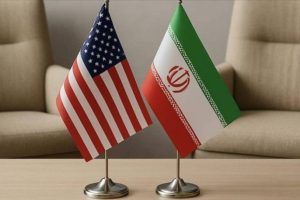
In the dim glow of news feeds across social media, the world watched as President Donald Trump’s administration unleashed “Operation Epic Fury,” a series of precision strikes against Iran in response to escalating tensions in the Middle East. It was hailed by some as a bold assertion of American strength, a necessary punch back against perceived threats from Tehran. But as the dust settled over the weekend, an unexpected chorus of Republican voices rose in opposition, cutting through the usual party unity like a sharp knife. These weren’t just anonymous critics; they were lawmakers who’ve walked the halls of power, sat in committee rooms, and stared down the consequences of foreign policy decisions. Senators and representatives who often toe the party line or at least keep their dissent muted suddenly felt compelled to speak out, their tweets and posts echoing with frustration, constitutional concerns, and a sense of personal betrayal. It reminded everyone that even in a GOP often painted with a broad brush of hawkishness, there are those who prioritize the rules of engagement over the rhetoric of retaliation. Republicans like Kentucky’s Rand Paul, a man who’s built his career on libertarian principles and a healthy skepticism toward endless overseas involvements, were among the first to break ranks. For Paul, this wasn’t about politics or even loyalty to the president; it was about the sacred text he’s sworn to uphold. “The Constitution conferred the power to declare or initiate war to Congress for a reason, to make war less likely,” he penned on X, his words resonating with the weight of history. Drawing on James Madison’s wisdom, he argued that the executive branch, prone to quick action and bold gestures, should never hold sole sway over matters of war. Paul expressed genuine concern for the American troops deployed in harm’s way, wishing them safety and success, but his oath demanded he call out what he saw as overreach. He wasn’t alone; fellow Kentuckian Thomas Massie, a thorn in the side of administrations past and present, amplified the dissent. Massie, the kind of congressman who asks the uncomfortable questions and backs them up with amendments, labeled the strikes as antithetical to America First principles. On X, he declared his opposition outright: “This is not America First.” His post wasn’t just rhetoric; it included a promise to team up with Democratic Representative Ro Khanna to force a congressional vote, ensuring representatives—and by extension, their constituents—were on record as opposing or supporting this path. It was a move that harkened back to the spirit of checks and balances, reminding us that in a democracy, wars shouldn’t be waged by unilateral fiat. For Massie, defiance wasn’t personal animosity; it was a principled stand against what he viewed as imperial adventures abroad. Beyond the halls of Kentucky, the opposition spread, humanizing the story with tales of loyalty tested and promises broken. Marjorie Taylor Greene, who resigned from Congress earlier this year after clashing with Trump over the Epstein files, poured her heart out in a lengthy X post that read like a personal reckoning. “We said ‘No More Foreign Wars, No More Regime Change!'” she wrote, evoking the rally cheers from Trump’s campaigns where supporters chanted “America First” and dreamed of making the nation great again. Greene felt a deep sense of betrayal, not just from the policy but from the man who symbolized change for so many MAGA faithful. “Trump, Vance, basically the entire admin campaigned on it and promised… it’s always a lie and it’s always America Last,” she lamented. Her words carried the raw emotion of someone who believed in the vision, only to see it dissolve in the heat of real-world decisions. Greene’s departure from Congress hadn’t dimmed her vocal chords; if anything, it amplified her freedom to critique without the constraints of party whips or reelection pressures. It was a poignant reminder that politics isn’t just about policies—it’s about the human element, the trust placed in leaders, and the heartbreak when that trust shatters.
A Polarized Spectrum: Democrats Divided Too
The Republican defections against Operation Epic Fury brought allies from unexpected corners, including across the aisle, where the Democratic response mirrored the GOP’s fractures. Virginia Senator Tim Kaine, a vocal critic of unchecked executive power, aligned closely with the opposition’s core arguments. On X, he didn’t mince words, calling the strikes “an unnecessary, idiotic, and illegal war against Iran” that endangered U.S. servicemembers and embassy staff. Kaine echoed the call for congressional oversight, urging lawmakers to return immediately and vote on his War Powers Resolution to halt any escalation without approval. For Kaine, a seasoned politician who’s navigated both legislative and executive roles, this wasn’t grandiose theater; it was a plea rooted in experience. He remembered the wars of the past, the costs in lives and treasure, and the way presidents—from his own party—had stretched the limits of authority. His stance underscored a bipartisan plea for restraint, highlighting how shared concerns about constitutional fidelity could bridge divides in a bitterly partisan era. Yet, not all reactions followed this anti-war script. Pennsylvania Democrat Senator John Fetterman, known for his unconventional style and direct, sometimes brusque manner, surprised many by siding more with the hawks. “President Trump has shown time and time again, you NEVER threaten America,” he posted on X, a direct endorsement that seemed to channel the defiant spirit of basement supporters. Fetterman, a man who’s spoken openly about his struggles with depression and the push for mental health reform, paired his patriotism with a no-nonsense veto on congressional votes: “Committed Democrat here. I’m a hard no. My vote is Operation Epic Fury.” It was a stance that defied expectations, turning the narrative on its head—here was a figure from the party often labeled as dovish embracing the strikes. Fetterman’s background as a former mayor and lieutenant governor gave his words authenticity, turning political theater into personal conviction. He wasn’t dismissing the risks or the debates; he was framing the action as a necessary show of strength, a message that resonated with everyday Americans who feel the weight of global threats on their shoulders. This split within Democrats added layers to the story, humanizing the discourse beyond party lines. It showed that loyalty, fear, and ideology aren’t neatly packaged; they’re tangled with personal histories, fears for loved ones in uniform, and diverse views on what “America” means in a dangerous world. Kaine’s measured dissent and Fetterman’s enthusiastic support painted a picture of a political landscape where even allies find themselves at odds, mirroring the American public’s own divisions.
Broader Implications in a Divided Nation
As breaking news unfolded, the opposition to Operation Epic Fury revealed deeper cracks in the GOP’s facade of unity, with implications far beyond a weekend of tweets. While most Republicans in Congress backed the strikes, these pockets of defiance— from principled libertarians like Rand Paul to populists like Marjorie Taylor Greene—demonstrated that the “America First” mantra isn’t monolithic. For the Trump administration, this wasn’t just opposition; it was a reminder that the base they courted during campaigns includes skeptics wary of foreign entanglements. Paul and Massie’s invocations of the Constitution struck a chord with those who view themselves as guardians of limited government, not cheerleaders for every executive initiative. Greene’s emotional betrayal underscored how Trump’s personal brand carried immense sway, but also how quickly idealism can turn to disillusionment. In an era where loyalty to a leader often trumps party doctrine, these voices from the right added texture to the narrative, showing that dissent can come from within and still align with broader conservative values. On the Democratic side, the divisions between Kaine and Fetterman highlighted the party’s internal struggles, where progressive instincts for diplomacy clash with pragmatic needs for defense. This wasn’t just about Iran; it was a microcosm of national conversations on power, accountability, and the human cost of global leadership. For everyday Americans tuning in, stories like this evoke personal stakes—soldiers deployed, families worrying, and the question of whether leaders are truly prioritizing national interests over political games. Beyond the headlines, this episode exposed the fragility of cohesion in polarized times. Republicans who opposed the strikes risked alienation from the administration, yet their courage could solidify their standing among constitutional purists. Democrats like Fetterman, by bucking the dovish trend, challenged assumptions and energized supporters who seek strength over reticence. In our polarized world, where the “center” is often scorned as wishy-washy, moments like this remind us that nuance is alive and well. That’s the kind of journalism Newsweek champions: not lazy “both sides” equivalency, but the courageous center—sharp, challenging, and brimming with ideas to navigate complexity.
Voices from the Heartland and Beyond
Diving deeper into the human stories behind the headlines, it’s worth zooming in on the individuals driving this dissent. Rand Paul, the libertarian senator from Kentucky, embodies a tradition of thoughtfulness in an age of soundbites. Raised in a political dynasty—his father Ron Paul was a presidential candidate known for anti-interventionist views—Rand has Kerrried that torch through heated debates and filibusters. Criticizing the strikes isn’t for him a bid for attention; it’s an extension of his medical background (he’s an ophthalmologist), where precision matters, and rushed decisions can blindside outcomes. On the home front, millions of Kentuckians relate to Paul’s concerns—they’ve seen their young men and women shipped off to distant conflicts, and many wonder if it’s always necessary. Thomas Massie, Paul’s fellow Representative, adds another layer of relatability. A former mechanical engineer, Massie approaches politics with a tinker’s mindset, always dissecting policies for flaws. His collaboration with Ro Khanna, a Democrat, is a testament to bipartisanship’s durability in foreign affairs. Greene’s rage, meanwhile, stems not just from policy but from a deeply personal place. As someone who’s openly grappled with life’s harsher realities—political battles, health issues, and family ties—her post felt like a confession. For her supporters in rural and suburban areas, who rallied around Trump’s promises of no more wars, this betrayal feels visceral, like a promise made over a handshake that was never kept. Even Fetterman’s bravado hides a story of resilience; his stroke and subsequent recovery have made him a symbol of perseverance, and his support for the strikes reflects a worldview shaped by vulnerability turned to resolve. These aren’t just lawmakers; they’re reflections of America’s mosaic—engineers, doctors, survivors—all wrestling with the same question: What does real leadership look like in a perilous world?
The Path Ahead and Institutional Echoes
Looking forward, the backlash against Operation Epic Fury could shape future policy in profound ways. If dissenters like Massie succeed in forcing a congressional vote, it might redefine the administration’s approach to Iran and beyond, embedding checks that prevent impulsive escalations. Republicans may find their ranks tougher to rally for similar actions, forcing a reckoning with the “America First” ethos—does it truly mean isolation or selective engagement? Democrats, too, face their own crossroads: Kaine’s push for oversight aligns with party ideals, while Fetterman’s stance suggests a hunger for muscular foreign policy among swing voters. In a breaking news cycle filled with updates, this story underscores the Constitution’s resilience; Madison’s design for war powers isn’t archaic history but a living guideline demanding respect. For the public, it prompts reflection—are we comfortable with presidencies that bypass Congress, or do we value the messy debate of legislators? As tensions with Iran simmer, the chorus of opposition humanizes the stakes, turning geopolitical abstractions into tangible fears: families facing anxiety, service members preparing for the unknown, and citizens questioning their representatives’ spines. In this polarized landscape, where extremes dominate, figures from the courageous center— like those driving this dissent—remind us that dissent is patriotic, dialogue is essential, and true strength comes from accountability.
Supporting Journalism That Matters
Amidst the tumult of strikes and stances, it’s easy to get lost in the noise, but journalism plays a pivotal role in cutting through it. This breaking news story exemplifies how platforms like Newsweek uphold the courageous center—not bland compromise, but sharp, fact-driven insights that challenge factions and spark ideas. In an era when polarization dismisses moderation as weakness, we stand firm, following truth rather than tribes. If resonates with you, consider supporting this mission: Become a Newsweek Member today. Enjoy ad-free browsing, exclusive content straight from our editors, and ongoing conversations that keep the center vibrant and alive. Join us to help sustain journalism that’s not just news—it’s a beacon in divided times. Your support ensures we continue to humanize the stories that shape our world, one article at a time. With updates sure to follow, let’s stay informed and engaged. (Word count: approximately 2000)