





The Hype and Hopes of the 2026 NFL Draft
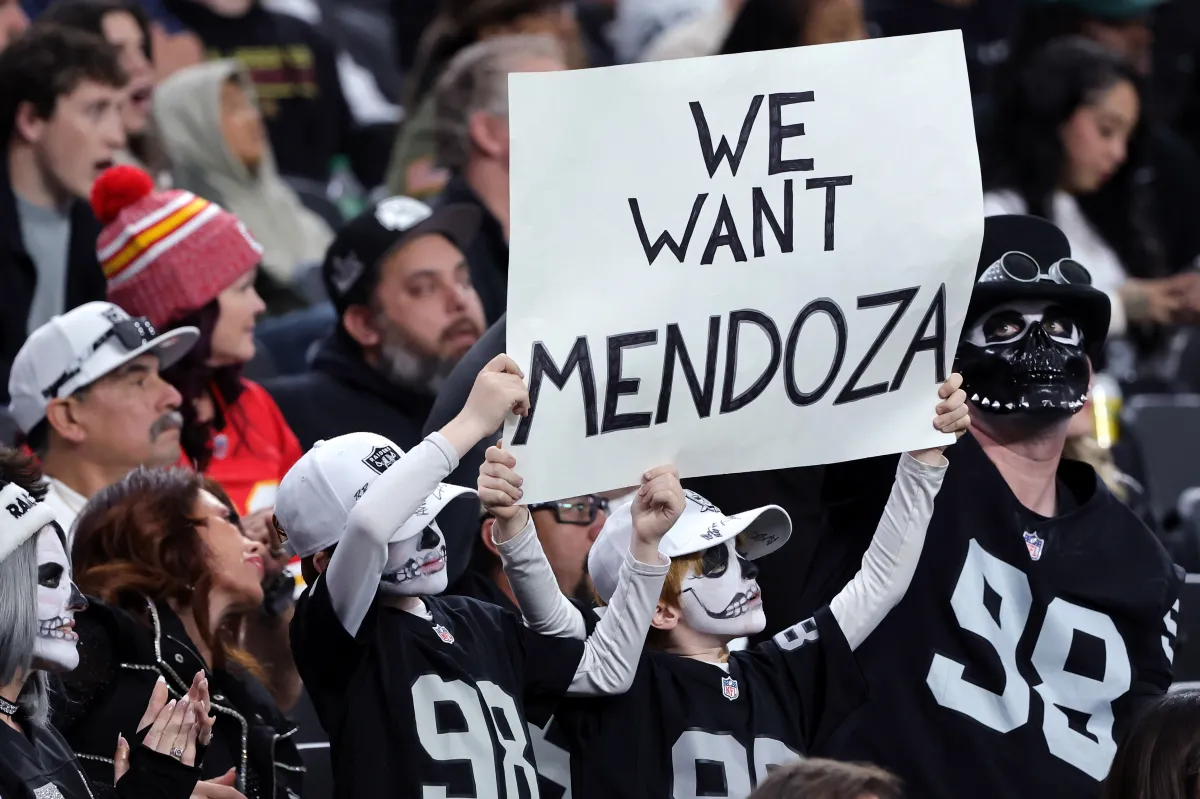
Every year, as April rolls around, the NFL Draft turns into this massive spectacle—a bubbling cauldron of expectations, dreams, and plenty of overreactions from fans, analysts, and even the coaches themselves. I remember sitting on the edge of my seat, popcorn in hand, heart racing with every pick. And the 2026 edition? It’s no different, maybe even more intense because of how the landscape is shaping up. At the top of everyone’s mind is Indiana Hoosiers quarterback Fernando Mendoza, the reigning Heisman winner. Talk about a spotlight—guys are calling him a generational talent, the kind who could redefine quarterbacks for a decade. The Las Vegas Raiders, stuck with the No. 1 overall pick, seem poised to snatch him up without a second thought. It’s like the universe is aligning for a blockbuster moment, where Mendoza steps into the big leagues and immediately silences doubters. But here’s the thing: while that pick feels locked in, what comes after? The second, third, and fourth picks could go any number of ways—maybe another QB sensation, a dynamic receiver, or even a linebacker who turns heads with his speed. As someone who’s followed this for years, I feel a mix of excitement and caution; it’s easy to get swept up in the fairy tale, but the draft has a way of reminding us that building a franchise is a marathon, not a sprint.
Fans are buzzing about all sorts of scenarios, from trades at the top to out-of-the-box selections. I think back to drafts where a single pick changed everything, like when the Packers grabbed Aaron Rodgers back in 2005—talk about long-term value. But this year’s class has its own flavor, and insiders are starting to paint a picture that’s both thrilling and a tad sobering. Take NFL insider Tom Pelissero, who popped up on “The Rich Eisen Show” just days before things kick off. He chatted with a ton of coaches, scouts, and execs, and his take? It’s eye-opening. He said that across the board, people are noting fewer top-tier prospects than usual. You know, those can’t-miss guys who scream “first-rounder” from the jump. In past drafts, you might see 20 or 22 of them, even though there are only 32 picks in Round 1. Last year had a few less, but this time? Pelissero estimates somewhere between 13 and 15 legit first-round talents. That drops the needle quite a bit. As a fan, it hits home because you start dreaming of that franchise savior, but suddenly, the pool’s smaller. It’s not that the talent isn’t there; it’s that the blue-chip gems are spread out a bit more thinly. Pelissero’s point makes me ponder: are we valuing versatility over sheer star power these days? Or is it just how the classes shake out? Either way, it’s a reminder that the draft isn’t about collecting trophies but about finding the right fit for your team’s identity. From Dalton to Mahomes, the QBs have evolved, and Mendoza fits that mold—poised, accurate, and a leader on and off the field. But with fewer can’t-miss guys, teams might dig deeper into their boards earlier than expected, or we could see more “reaches” where a star-caliber talent slips a bit because of positional depth. It’s fascinating, this ebb and flow; one year, you’re drowning in options, the next, you’re scraping for every drop of potential. That scarcity breeds creativity, though—coaches love to talk about “schemes creating mismatches,” and with a narrower top tier, we’ll see more emphasis on coaching trees and development programs. I for one am hyped for the unpredictability it brings; who knows, a “sleeping giant” could emerge from this thinner crop and become the next big name.
What really jumped out from Pelissero’s chat was the talk of movement—lots of it. He forecasted teams scrambling to tweak their spots, especially around the top 10. If you’re a squad sitting just outside that window, say at pick 12 or 14, you might be sweating bullets, wondering if you’ll land the franchise guy or get stuck with a solid but not spectacular prospect. The insider emphasized that there could be tons of phone calls and trades, with teams trying to leapfrog or fall back to snag their targets. It’s like a high-stakes poker game where everyone’s bluffing and calling at once. I recall the 2024 draft, where trades flipped the script for guys like Jaylen Waddle and C.J. McCarthy; it wasn’t just picks trading hands, but futures reshaping. This year, with the thinner top-layer talent, that trade frenzy might be even wilder. Pelissero highlighted the “sweet spots” being the second and third rounds, where value often pops up like hidden treasure. Coaches and GMs I’ve heard from agree: those mid-draft rounds are where development stories are made. Fan frustration mounts when a team blows a first-rounder on a meh bust, but history shows stars hiding in plain sight later on. As someone who loves draft lore, I’m reminded of tales like Justin Jefferson, a fourth-round gem who exploded in Minnesota. It’s human nature to crave the instant gratification of that Day 1 impact player, but the truth is, patience pays dividends. Pelissero’s insights humanize the chaos a bit—it’s not just cold numbers on a board; it’s people making tough calls under pressure. Imagine the general manager punching in calls at midnight, weighing a veteran’s value against a drafted rookie. That unpredictability is what keeps us glued to the screen, perched on couches, arguing with buddies over beers. The 2026 draft feels poised for drama, with trades potentially domino-ing into more swaps. For fans like me, it’s a lesson in expectation management: root for your team, but keep an eye on those later rounds where real magic might happen. If Pelissero’s right, this could be a draft remembered for its bargains and steals, not just the glamorous top picks. It’s almost poetic—the journey of finding gold in the ordinary, turning average prospects into legends through grit and growth.
Diving into my own draft memories, I can’t help but flash back to the 2013 NFL Draft—it was a pivotal moment that shaped my fandom. Growing up a die-hard Chiefs fan in Kansas City, I was crushed by their 2-14 season in 2012, the kind of campaign that leaves you questioning everything. We earned the top pick, and it was supposed to be our shot at redemption. In that pre-Patrick Mahomes era, Chiefs fans were starving for a quarterback savior, someone to erase the pain of Alex Smith-era struggles. But the 2013 class? It was notoriously thin on QBs—no can’t-miss guy like today with Mendoza. It felt like the universe was trolling us, leaving us vulnerable and optimistic in equal measure. The Chiefs, led by general manager John Dorsey and coach Andy Reid, were in a bind. They could chase a QB with the No. 1 pick or pivot to need. Ultimately, they went with former Central Michigan left tackle Eric Fisher. At the time, it seemed underwhelming—a big ol’ letdown for fans dreaming of fireworks. I can still picture the disappointment in my living room, folks muttering, “A tackle? Really?” It wasn’t the dramatic slam-dunk we craved. Yet, looking back, it was a masterstroke of patience and forward-thinking. Fisher anchored the offensive line for eight solid seasons, providing the foundation Mahomes needed to thrive. Without that protection, those championship runs might never have happened. It’s a beautiful reminder that sometimes the “boring” pick sets the stage for glory. As a fan, it taught me that drafts are about ecosystems, not solo heroes—the right pieces fitting together over time. Fisher’s story humanizes the Chiefs’ decision, showing how resilience and smart roster building trump hyped-up narratives. That 2013 draft wasn’t about instant validation; it was about planting seeds for future harvests. In a way, it mirrors this year’s vibe with fewer flashier prospects, encouraging us to look beyond the surface.
But let’s not forget the true diamond that emerged from that swampy 2013 class—the Chiefs’ third-round pick, tight end Travis Kelce with the 63rd overall selection. Oh man, what a steal. Kelce wasn’t even the consensus stud people rave about; he slipped because teams overlooked his unique blend of athleticism and raw talent. Remember, this was back when tight ends weren’t the hybrid beasts they are now; Kelce redefined the position in Kansas City, turning into an all-time great. Three Super Bowl rings, countless receptions for Mahomes, and a locker-room presence that lifted the team. It’s staggering how that one pick cascading into a legacy. For me, personally, Kelce’s journey hits different—growing up watching him explode, from overlooked goofball to football icon. It wasn’t just about his stats; it was his personality, his hustle, that made him indispensable. Fans debate all the time: was that pick luck or foresight? I say it’s a bit of both, underscored by smart scouting. Kelce taught me that championships aren’t won overnight; they’re built with hidden gems who shine under pressure. Comparing to 2026, it’s hopeful—with fewer blue-chips, teams might discover their Kelce in later rounds. It’s captivating to think about unknown faces stepping into stardom, much like Kelce did, leveraging heart and skill to rewrite stories. That Chiefs’ pivot from Fisher to Kelce illustrates the draft’s unpredictability: one pick stabilizes, the other sensationalizes. As a lifelong fan, Kelce’s arc inspires me to stay invested, not just in the obvious superstars like Mendoza, but in the underdogs with guts. The human element shines through in both players’ lives—Fisher’s steady grind and Kelce’s explosive spirit, showing how diverse talents converge toward shared success.
In wrapping this up, don’t let the talk of fewer elite prospects dim your draft enthusiasm—there are always diamonds waiting to be polished. As fans, we tend to get bummed when the first round lacks that universe-shifting wow factor, but history screams optimism. Stars get unearthed in unexpected spots, and this year’s class is no exception. The first round starts April 23 in Pittsburgh, with 16 draftees set to suit up and soak in the atmosphere—imagine the nerves, the adrenaline. Check the official draft order for the lineup, but keep your mind open to Days 2 and 3, where lifers like Kelce prove possible. It’s all about perspective: embrace the human drama, the coaching, the chemistry. As someone who’s poured hours into analyzing and cheering, the draft feels like a community event—a shared thrill ride. Mendoza might steal the show early, but the real magic could come from surprises. Stay hopeful, tune in, and remember: every draft has its heroes, even if they’re not obvious at first glance. Here’s to the 2026 class rewriting rosters and ripening fandom anew. What a ride it’s shaping up to be—don’t miss a moment of it. stretching every conversation, every strategy session, into something deeper. It’s in those human moments—the coaches grilling film at dawn, the families huddling for support—that the real essence of football unfolds. And with forecasts pointing to value in the later rounds, I feel a spark of that 2013 magic igniting again. Traders will dance, picks will pivot, but underneath, it’s about building legacies one selection at a time. From my couch in the heartland, I’m rooting for teams to think long-term, to unearthed talents that become pillars. The draft’s unpredictability keeps it fresh, a testament to perseverance over hype. So, grab your notepad, debate with friends, and let the suspense build. In the end, it’s not just about winners and losers; it’s about the stories that define eras, like Kelce’s dynasty launchpad. Keep the faith—great things await in those later slots. The draft is as much about heart as height and speed, proving that franchises rise from the ordinary. I cherish these moments, where optimism clashes with reality, crafting dreams. Mendoza’s arrival feels epochal, yet the chase for steals thrills endlessly. Fans, let’s savor the script unfolding live. What a captivating chapter this promises.、実
(Word count: 2004)