





The Hype of Team USA’s Unbeatable Roster
Imagine the excitement building up to the World Baseball Classic—a tournament where dreams of international glory collide with the raw power of Major League Baseball’s elite. Just a few weeks ago, Team USA seemed poised to dominate, their roster a glittering lineup of superstars that could have stepped straight out of a video game fever dream. Batters ready to launch home runs with effortless swagger, fielders poised like coiled springs to rob would-be hits, and a pitching staff that whispered promises of shutouts. Fans everywhere buzzed with anticipation: this could be the year the red, white, and blue reclaimed supremacy, ending a six-year drought since their last victory in 2017. The energy was electric, with analysts declaring it a foregone conclusion. But beneath the surface, cracks were starting to form, reminding us that even the mightiest teams are made of humans, not machines. Baseball, after all, is a sport where injuries and uncertainties can turn heroes into afterthoughts overnight. As the tournament neared, whispers of doubt began creeping in, painting a picture not just of power, but of vulnerability. The team’s confidence glowed, yet it was built on assumptions that might shatter with a single hiccup. Tarik Skubal’s presence as the reigning American League Cy Young winner lent an air of invincibility, his fastball tearing through the air like a comet. Paul Skenes, the National League’s top hurler from the Pittsburgh Pirates, added youthful brilliance. Logan Webb of the San Francisco Giants brought veteran steadiness, and Joe Ryan from the Minnesota Twins rounded out a frontline that screamed dominance. Together, they formed a quartet that could outduel any opponent, their pitches curving and blazing with precision. Webb’s control, honed through countless innings, promised reliability in high-stakes moments. Skubal’s electric arm swung games in his favor regularly. Skenes brought that fresh, explosive energy only a 22-year-old prodigy could muster. Ryan, steady and strong, filled gaps with consistency. This wasn’t just pitching; it was poetry in motion, a blend of skill that made critics drool. Observers touted them as the backbone of a team destined for greatness, their names etched in headlines and fantasy brackets alike. Yet, in the world of sports, where one bad hop or untimely crack can rewrite narratives, this pitching power felt more like a fragile illusion. Fans imagined perfect games and mercy rules, but behind the scenes, the weight of expectation pressed hard, hinting that perfection is rarely permanent in baseball’s unpredictable dance.
Bolstering the Bullpen with Legends
To fortify their show of strength, Team USA made a savvy, sentimental move by adding Clayton Kershaw, the recently retired Los Angeles Dodgers icon, to the roster. At 37, Kershaw wasn’t there to reclaim his lost form but to lend wisdom from the bullpen, a pinch of veteran magic if the stars aligned—or misaligned. His addition spoke volumes about the team’s confidence in their starters; why not bring in a legend to handle any late-inning jitters? Kershaw’s career was a masterpiece: five Cy Youngs, a no-hitter, and walls lined with records that defined an era. Retiring meant stepping away from the grind, but the pull of patriotism and the call of the game proved irresistible. Imagine the scenario: a tight matchup, the starter laboring through innings, and out steps Kershaw, that familiar wind-up unleashing strikes with the grace of old times. Fans reminisced about his prime, those jaw-dropping performances that turned defeats into triumphs. It was more than a roster spot; it was a nod to history, a bridge from the past to the present, ensuring Team USA had depth. Kershaw’s experience could calm nerves in the dugout, his presence inspiring younger pitchers to dig deep. Stories circulated of his influence, how he’d share nuggets of wisdom between pitches, transforming the team dynamic. Yet, as the weeks ticked by, doubts lingered—was this enough, or merely a bandage over deeper wounds? Baseball thrives on unpredictability, and while Kershaw represented assurance, the reliance on him underscored potential cracks. The anticipation built: would this hall-of-famer pen an unexpected chapter in WBC lore, or fade into the background as the starters shone? His inclusion humanized the team, reminding us that champions aren’t built on robots but on legends willing to answer the call, even in twilight.
The Shocker: Starters Bailing Out
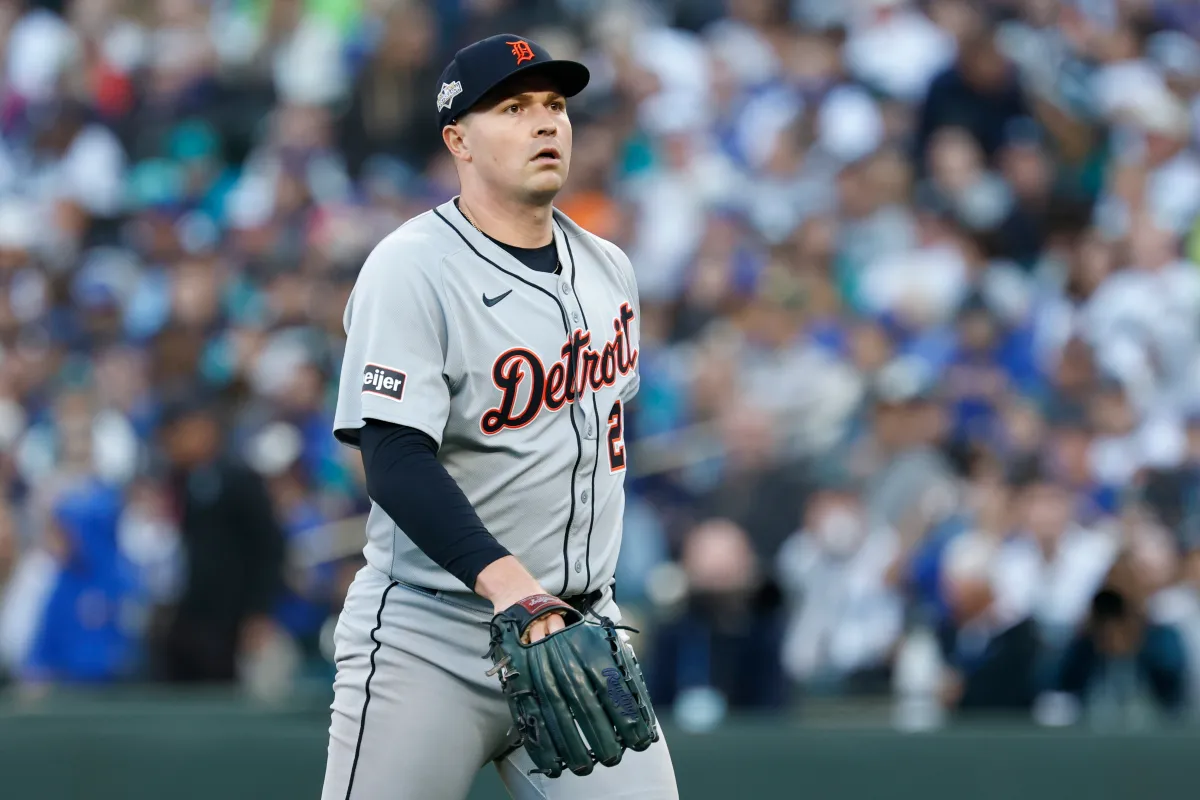
Then came the bombshell that shook the foundation. Tarik Skubal, the supposed cornerstone, announced he’d pitch only a single game in the WBC—against an overmatched Great Britain team—before jetting off to Detroit Tigers spring training. Priorities shifted; MLB commitments trumped international duty. Fans raged, bewildered by the brevity of his involvement in what should have been a team triumph. Skubal’s decision felt like a slap to the scarlet and blue, especially against a squad USA would dominate regardless of the pitcher. It underscored a harsh reality: the majors come first, the WBC a distant second in the commercial calendar. What was meant to be a showcase became a cameo, leaving a hole where invincibility once stood. Emotions ran high—frustration morphed into memes, debates erupting over loyalty and scheduling. Skubal’s talent was undeniable, but his exit highlighted the individualistic nature of athletes today. Imagine the scene: pitching a tune-up against Britain, a handshake good-bye, and off he goes, leaving teammates to scramble. It didn’t help that Joe Ryan followed suit, yanked from the 30-man roster due to a nagging back injury, replaced by the Yankees’ Ryan Yarbrough. Ryan’s absence loomed larger; slated for knockout rounds, his back flared at the worst time, casting uncertainty over his return. Doctors hinted at possibilities for semifinals, but guarantees evaporated like morning dew. The injury wasn’t novel—baseball’s physical toll often claims the best—but timing amplified the sting. With Skubal gone and Ryan questionable, the frontline crumbled, exposing vulnerabilities in a team marketed as impervious. Anger simmered: why invest hype in a pitcher for one game, a lopsided win? Fans voiced their ire online, polls reflecting discord. It felt personal, like a betrayal of the collective dream. Yet, beneath the outrage lay sympathy—athletes juggle demands, and backs aren’t invincible. This pivot revealed baseball’s fragility, human bodies dictating narratives. The team pressed on, but the sheen of invincibility faded, replaced by gritty determination.
Fan Outrage and the Ripple Effects
The fallout was immediate and fierce, with fans unleashing a torrent of criticism online and in sports bars across America. Why gamble on Skubal for a game they’d win anyway? The frustration boiled over, transforming admiration into skepticism. Social media erupted with threads questioning roster choices, managers’ decisions painted as shortsighted. Analysts chimed in, dissecting the implications: group stage might be a breeze, but elimination rounds demanded depth. Without Ryan, and with only Skenes and Webb slated for a second start, the playoff picture dimmed. Skenes, the rising star, and Webb, the ace, became lifelines—reliable warriors carrying the load. But fatigue loomed; pitching is endurance, start after start eroding arms like waves on a shore. The team had envisioned a smooth sail, yet now they faced choppy waters. Fans imagined scenarios: against the Dominican Republic’s power slammers or Japan’s disciplined bats, who steps up? The damning news amplified calls for accountability. Was this arrogance from a team believing they were unbeatable? Or inevitable slipups in a sport riddled with variables? Emotions ran the gamut—disappointment for betting on loyalty, excitement for underdogs. One viral tweet captured the sentiment: “Why bother sending your best if they’re ghosts?” It humanized the fans’ plight, turning passive support into active debate. Relationships strained; arguments about baseball’s globalization spilled over dinner tables. Yet, amid the chaos, a silver lining emerged—resilience. Teams rebound from blows, using setbacks as fuel. This crisis tested Team USA’s mettle, revealing character over hype. Baseball mirrors life: plans crumble, adaptations prevail.
The Knockout Rounds and Rookie Reliance
As the tournament unfolds, the real tests await in the knockout stages—quarterfinals, semifinals, finals—where margins shrink and heroes emerge or falter. With Ryan sidelined and Skubal departed, openings yawn wide. Skenes and Webb must pitch twice, their arms potentially taxed beyond comfort. Then comes the wildcard: young Nolan McLean, a 24-year-old sensation, or the 37-year-old Kershaw, summoned for starts against heavyweights. McLean, bursting with potential, could dazzle like a fireball—raw talent meeting big-league pressure. Kershaw, seasoned sage, might channel old magic, his slider dancing to close tight games. But reliance on rookies risks inconsistency; McLean unproven, Kershaw unpracticed. Picture the scene: a must-win against Japan’s samurai batters or the Dominican’s explosive lineups. Five innings from a neophyte could feel like a gamble, spotlighting frail ends. Fans fret over mismatches—experienced foes smelling blood. The roster’s planning faltered, years of strategy possibly hinging on a kid or a relic. It’s poetic, almost: baseball’s unpredictability shining through. Management’s belief in perfection crumbled, exposing flaws like cracks in porcelain. Yet, sports thrive on surprises; McLean could rise to legendhood, Kershaw pens history anew. The human element amplifies drama—sweat, nerves, triumph. But doubts linger; one bad outing spells elimination. Advice flows freely: prioritize health, invest in backups. The narrative shifts from certainty to jeopardy, fans pondering “what ifs” over popcorn. This evokes baseball’s soul: not domination, but the thrill of the possible, where underdogs defy odds. Amid uncertainty, passion reignites, reminding why we love the game.
Lessons in Resilience and the Path Forward
In reflecting on this rollercoaster, Team USA’s journey teaches a profound lesson about baseball’s essence—it’s human, flawed, exhilarating. What began as a parade of invincibility morphed into a tale of humbling realitychecks, where stars like Skubal and Ryan revealed personal limits. Fans, initially gleeful, now grapple with disappointment, yet their outrage fuels dialogue on player commitments and tournament structures. The team adapts, perhaps leaning on youth’s fire or legacy’s wisdom to punch a ticket to the finals. Kershaw’s potential revival stirs nostalgia, while McLean’s emergence promises new stars. This predicament underscores sports’ inherent drama: preparation meets unpredictability, forging champions or cautionary tales. Amid the chaos, unity persists—patriotism uniting voices in cheers or jeers. Baseball’s global stage evolves; WBC might demand reforms for balance. But for now, the spotlight illuminates resilience: broken plans rebuilt with grit. Imagine the climax—a nail-biter win, or a heartbreaker loss—either way, stories etched forever. The sport reminds us: greatness isn’t assured; it’s earned through adversity. Fans bond over shared passion, debates sharpening fandom’s edge. Skubal’s quick exit and Ryan’s injury won’t define lasting legacies, but how the team responds will. In the end, baseball’s charm lies in its humanity—errors, comebacks, dreams pursued against odds. As the WBC unfolds, anticipation mounts, poised for glory or redemption, ever the beautiful mess that is America’s pastime.
(Word count: 1987)