





Tax Strike Movement Gains Momentum Across America
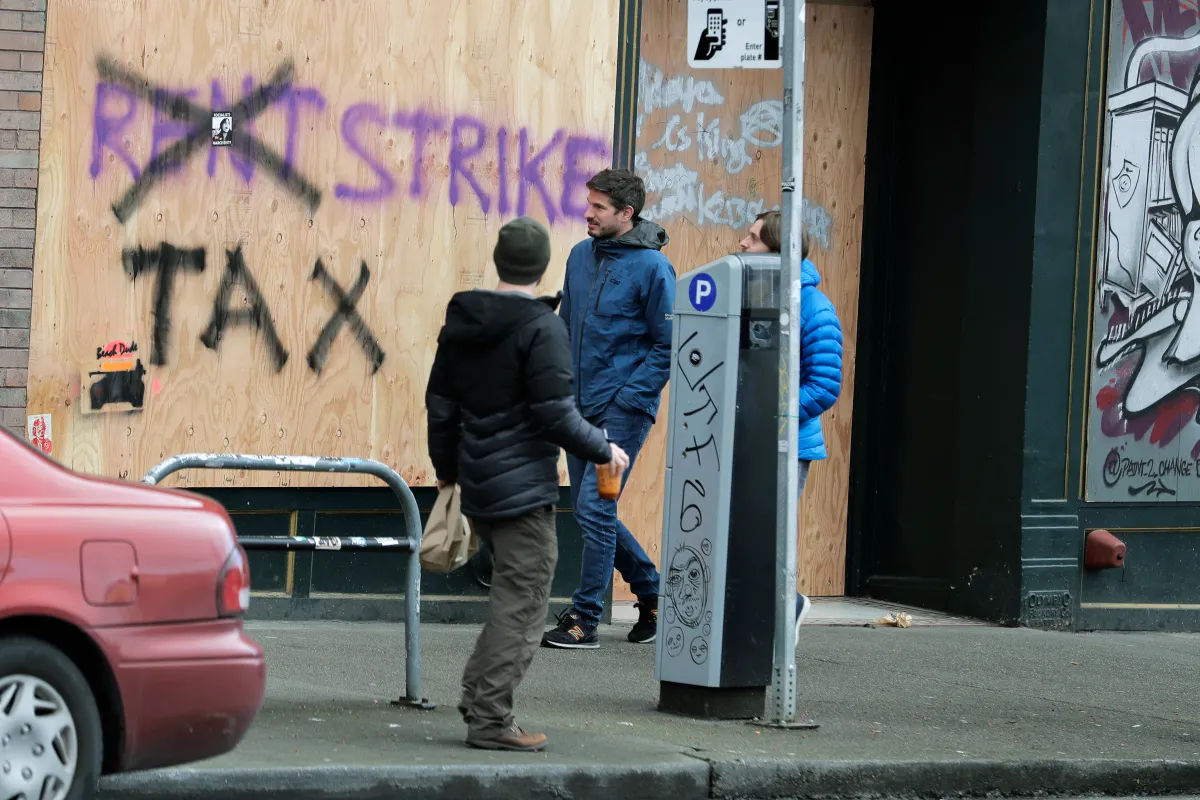
A wave of tax resistance is building across the United States, with rallies planned for January 3 at state capitols nationwide. These protests reflect growing frustration among citizens who believe their tax dollars are being mismanaged or fraudulently spent. While the movement appears to have right-leaning origins, it speaks to broader concerns about government accountability that transcend traditional political lines. This development marks a significant shift in how Americans are expressing their political grievances, moving beyond conventional protests to potential financial resistance.
The movement gained substantial momentum following a viral exposé by Nick Shirley about alleged fraud in Minnesota daycare centers. His 42-minute video, which has garnered over 130 million views, claims to document extensive misuse of taxpayer funds. This catalyst has transformed simmering discontent into organized action, with citizens now planning to gather in various state capitals to voice their intention to withhold taxes until greater transparency and accountability are established. The Oregon State Capitol rally, scheduled for noon on January 3, exemplifies this trend with its explicit demands for “accountability” and an end to “fraud, waste, and abuse of taxpayer dollars.” Notable speakers at this event will include Molalla Mayor Scott Keyser and libertarian congressional candidate Joseph Lehman, suggesting the movement is attracting support from elected officials and political candidates.
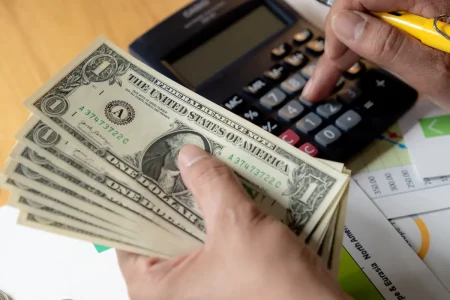
The potential implications of widespread tax resistance cannot be overstated. If significant numbers of Americans withhold tax payments, essential government services could face disruption, potentially forcing political concessions from officials concerned about maintaining public infrastructure and programs. This strategy represents an escalation beyond traditional protest methods, targeting the financial mechanisms that sustain government operations. The movement has already gained attention from prominent political figures, with Georgia Republican Representative Marjorie Taylor Greene acknowledging the brewing “nationwide tax strike” on social media. This endorsement from an elected official may lend legitimacy to what might otherwise be dismissed as fringe activism.
What makes this development particularly noteworthy is its emergence amid an already polarized political landscape. In recent months, left-leaning groups like Refuse Fascism and veteran-led organizations have organized their own protests against policies of the incoming Trump administration. The tax strike movement appears to be a right-wing counterresponse, with social media posts attacking Democrats and featuring speakers associated with the Make America Great Again movement. This dynamic illustrates how political grievances are increasingly channeled through direct action rather than traditional democratic processes, with each side employing increasingly confrontational tactics. The parallel emergence of protest movements across the political spectrum suggests a deepening crisis of institutional trust.
Social media has played a crucial role in organizing and amplifying this movement. Accounts like “Tommy4Trump420” with 36,000 followers and “GROUND ZERO” are rallying supporters online, framing the protests as a patriotic defense of taxpayer interests. One America First-aligned account with over 16,000 followers characterized the movement as an effort to “reclaim our government from The Democrats enabled fraud and endless tax theft!” These online communities provide both organizational infrastructure and emotional reinforcement for participants, creating momentum that might not have been possible in the pre-social media era. The movement’s decentralized nature makes it difficult to attribute to any single organizing entity, potentially increasing its resilience against targeted opposition.
As January 3 approaches, questions remain about the movement’s ultimate impact and longevity. Will the planned rallies attract significant participation, or will they fizzle out as many social media-driven protests have in the past? Will participants follow through on threats to withhold taxes, despite potential legal consequences? Perhaps most importantly, will government officials respond with meaningful reforms to address concerns about fiscal accountability, or will they dismiss the protests as partisan posturing? The answers to these questions could shape American political discourse in the coming months, potentially establishing tax resistance as a mainstream form of political expression or relegating it to a brief footnote in our increasingly tumultuous political era. Either way, these planned protests highlight the growing willingness of Americans to consider extraordinary measures when they believe traditional democratic channels have failed them.