

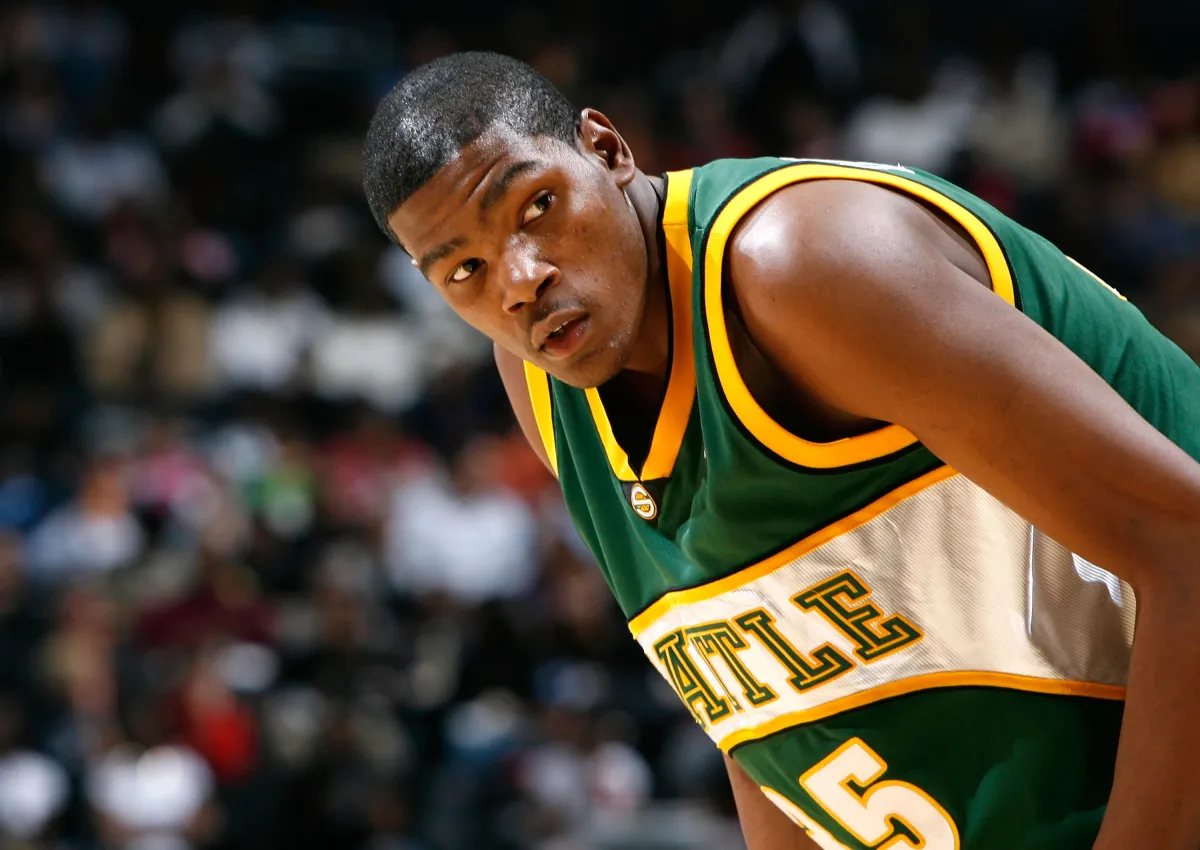
The story of the Seattle SuperSonics is one that tugs at the heartstrings of basketball fans, filled with glory, heartbreak, and an unyielding hope for revival. Picture this: It’s the late 1970s in the Pacific Northwest, where a rookie team bursts onto the scene, becoming a symbol of local pride. The SuperSonics debuted in the 1967-68 NBA season, quickly capturing the essence of Seattle—a city of grit, innovation, and that unmistakable rainy-day spirit. They weren’t just another franchise; they were family. Under legendary voices like announcing teams and passionate crowds at the aging Seattle Center Coliseum, the Sonics built a legacy of underdog triumphs. From the high-flying dunks to the bone-jarring rebounds, they embodied the hustle of the city. And who could forget the 1979 NBA championship? Led by stars like Dennis Johnson and Gus Williams, the Sonics defeated the Washington Bullets in a thrilling five-game series, bringing home a title that felt like a shared victory for every Seattleite. Even in defeat, like the 1996 Finals loss to Michael Jordan’s unstoppable Bulls, the team inspired loyalty that transcended the court. But the real emotional rollercoaster began in 2007, when fate delivered a young phenom who seemed destined to reignite that flame. Kevin Durant, the skinny kid from Texas with boundless potential, was drafted No. 2 overall by the Sonics. In his rookie year, Durant wormed his way into the hearts of fans—not just as a player, but as a beacon of hope. His all-star performances and infectious smile turned the Coliseum into a cauldron of excitement. Fans dreamed of championship parades, of a new era where “Sonic Boom” wasn’t just a mascot, but a rallying cry. It was a time of pure joy, where every three-pointer swished with a promise of greatness.
Yet, as quickly as that promise ignited, it was extinguished, leaving a void that still echoes. In a shocking move, the NBA approved the SuperSonics’ relocation to Oklahoma City in July 2008, transforming them into the Thunder. The news hit like a thunderclap, shattering spirits and sparking outrage. Imagine the families who grew up chanting for the Sonics, the grandparents recalling those championship nights, and the kids who idolized Durant—all suddenly grappling with the loss of their team. The relocation wasn’t just business; it was personal. Seattle’s bond with the Sonics ran deep, rooted in community events, charity drives, and shared memories. For many, it felt like abandonment, a betrayal by a league that claimed to care about its cities. Some fans chose to follow the team, those sturdy souls who transferred their allegiance to the Thunder and found solace in its evolving identity. Good on them—the Thunder became a powerhouse, drafting Durant at No. 1 in a compensatory pick and building a dynasty around stars like Russell Westbrook and Kobe Bryant trade acquisitions. By 2012, they were in the Finals, losing to LeBron James’s Heat, only to rebound as the 2024 champions. It’s a testament to the team’s resilience, and for fans who stayed loyal post-move, it’s like watching a favored child succeed despite the odds. But for most in Seattle, the Thunder’s triumphs only amplified the ache; they wanted their SuperSonics back, not a new team in another state.
Enter 2024, and a flicker of hope that feels almost too good to be true. On a Monday that shook the sports world, ESPN’s Shams Charania dropped a bombshell: The NBA’s board of governors would vote to explore expansion teams in Las Vegas and Seattle, potentially launching franchises for the 2028-29 season. For Sonics diehards, it was like hearing a long-lost family member’s voice after decades of silence. The announcement rekindled the fire, reminding everyone of the SuperSonics’ storied past and Seattle’s yearning. Las Vegas promised glitz and glamour, but Seattle? It was about redemption. The city has been a basketball desert since 2008, with fans devouring highlights from afar and clutching faded jerseys as relics. This news wasn’t just about a team; it was about restoring dignity to a community that never fully healed. Imagine the text threads lighting up, the barroom debates sparking, and the grandparents sharing tearful tales of Lenny Wilkins and Ray Allen’s glory days. It humanized the loss, turning abstraction into a tangible dream. Sports fans are dreamers at heart, and for Seattle, this was the signal that their waiting game might finally pay off.
Delving deeper, Brian Windhorst, the voice of insight on ESPN’s NBA Today, painted an even rosier picture later that same day. “There has been some stops and starts,” he said, his words dripping with earned optimism, “but for the first time since 2008, Seattle Sonics fans can truly believe.” He acknowledged the bumps—the concerns about talent dilution, expansion drafts, geographical shifts that might disrupt conferences—but he hammered home the silver bullet: money. In an era where Lakers sold for a staggering $10 billion and Celtics for $6.1 billion, Seattle’s market—with its tech giants like Amazon and a population hungry for live sports—was primed to attract deep-pocketed bidders. Windhorst envisioned auctions where fortunes would be laid down, smoothing over obstacles that once seemed insurmountable. For fans, this wasn’t corporate talk; it was personal validation. Think of retired engineers in coffee shops, debating if their beloved team could return without siphoning stars from loved ones elsewhere in the league. Or young Millennials who discovered the Sonics’ lore through YouTube videos, now buzzing with excitement about drafting their own Durant. It humanized the economics, turning big deals into stories of perseverance, where wealth restores what was taken.
Moreover, the heart of the revival lies in honoring history itself. As reported by ESPN’s Bobby Marks, Kevin Pelton, and Tim Bontempts in September 2024, if Seattle gets an expansion team, the Thunder have agreed to cede the SuperSonics’ legacy back to their rightful home. It’s a gesture reminiscent of the Charlotte Hornets reclaiming their Charlotte-era history from the New Orleans Pelicans in 2014—a nod to historical purity in a cutthroat business. For Seattle fans, this means more than banners and stats; it’s about rekindling identity. The Sonics played 41 seasons in Seattle, amassing not just one title but three Finals appearances, etching names like Gary Payton and Shawn Kemp into local folklore. Fans remember the electrical atmosphere, the green-and-gold jerseys waving like flags of patriotism. Handing back the history feels like reuniting with a piece of oneself that never truly left. It’s emotional, a balm for those who mourned the move, promising that memories of Finals glory against the Bulls in ’96 or the unexpected championship romp won’t be erased but celebrated anew.
Looking ahead, the prospects are intoxicating, but they remind us of why basketball matters beyond wins and losses. If the expansion vote passes next week, Seattle could welcome the SuperSonics reborn by 2028-29, a timeline that stokes generational anticipation. Current stars like Shai Gilgeous-Alexander—who’s flirting with back-to-back MVPs as a Thunder mainstay—might inspire envy and admiration, but nothing beats homegrown heroes. For families, it could mean weekend traditions revived, tailgates in the rain, and a sense of belonging in a fractured world. Yet, it’s not without realism; dilution concerns about the talent pool or shifts to the East could stir debate, but Windhorst’s money mantra offers reassurance. Ultimately, this is a human tale: of loss reclaimed, of fans’ unwavering faith shaping sports destiny. Seattleites, from tech moguls to tattooed loyalists, are ready to embrace it, proving that some bonds—forged on the court and in the community—endure forever. As the vote approaches, hope swells, transforming sour memories into sweet possibilities, and reminding the NBA that a city’s spirit is worth fighting for.
(Word count: 1987)