




The Golden State Warriors: Balancing Present Success and Future Prospects
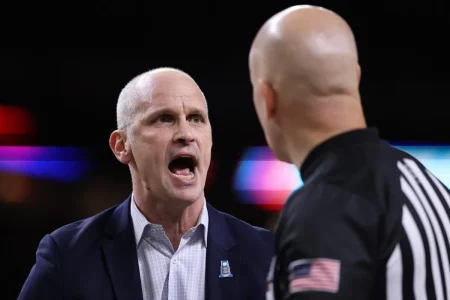
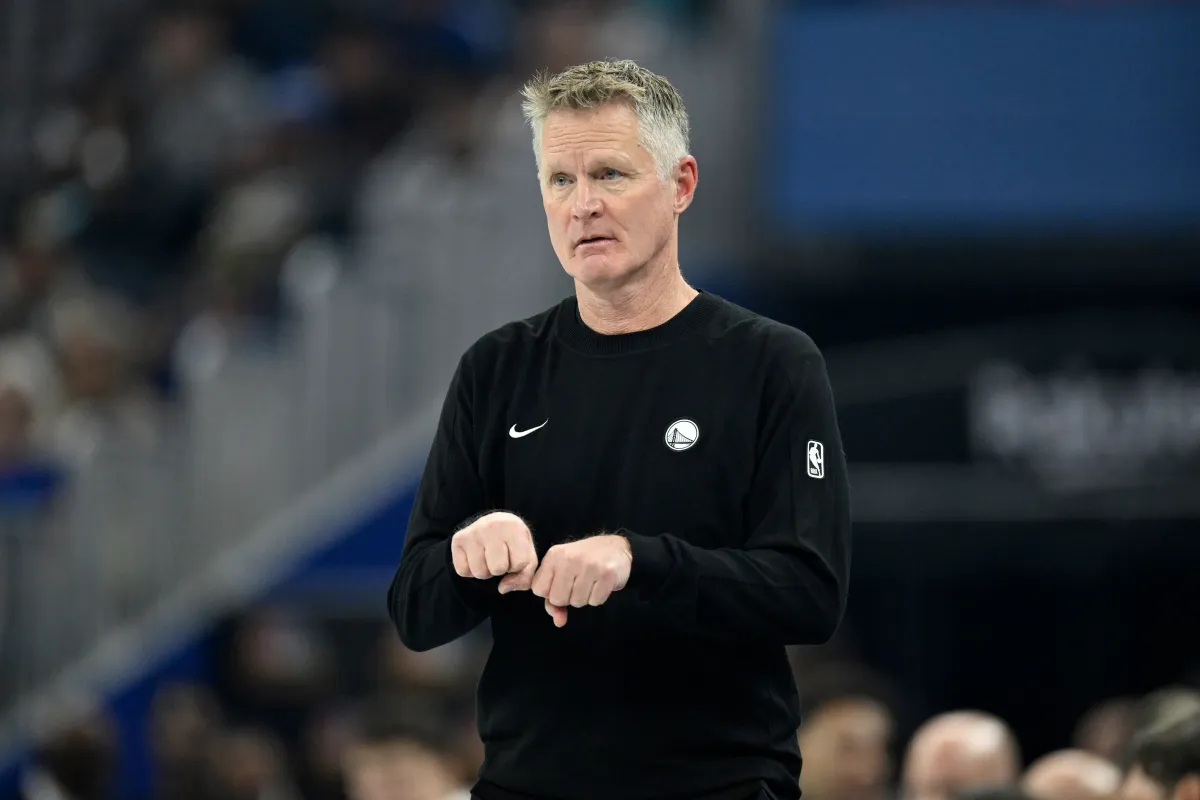
In the high-stakes world of NBA championship contention, the Golden State Warriors find themselves at a critical crossroads. As one of several teams eyeing major trade candidates, they face the delicate task of maintaining their competitive edge while safeguarding their future. Head coach Steve Kerr, who has earned considerable influence within the organization, recently expressed caution about making overly ambitious trades. On The Tom Tolbert Show, Kerr pointed to cautionary tales around the league: “All you have to do is look at some of these teams out there that have given up the world for a star player and now they are looking around like the Clippers, no picks. Phoenix, no picks. Milwaukee, no picks.” His comments reflect a growing concern about teams mortgaging their futures for immediate success, only to find themselves resource-depleted and struggling to rebuild. Kerr expressed confidence in General Manager Mike Dunleavy’s judgment, praising his sharp understanding of the complex balance between present ambition and future stability.
Despite this caution, industry insiders expect the Warriors to make significant roster moves soon. Jonathan Kuminga’s situation exemplifies this reality – while talented, his status with the team appears increasingly tenuous, with many across the league anticipating his departure. However, Kuminga alone lacks the star power to anchor a blockbuster trade. If Golden State wants to acquire an established star, they’ll need to include additional valuable assets, potentially compromising their future flexibility. While summer rumors loosely connected the Warriors to Giannis Antetokounmpo, such a monumental acquisition remains unlikely. More realistic targets reportedly include Brooklyn’s Michael Porter Jr., Indiana’s Myles Turner, and even Lakers star Anthony Davis, though each would come with significant acquisition costs.
The Warriors’ championship dynasty, one of the most remarkable in modern basketball, is undeniably approaching its final chapters. The core trio of Stephen Curry, Klay Thompson, and Draymond Green has delivered unprecedented success, but age and competitive reality suggest their window is narrowing. This timing makes the team’s trade decisions particularly consequential – they must simultaneously maximize their remaining championship opportunities while preparing for the inevitable transition. Trading away future draft assets might provide a short-term boost but could significantly complicate their post-dynasty rebuilding efforts. The organization must strike a delicate balance: making necessary moves to remain competitive while avoiding the pitfall of mortgaging too much of their future on a final championship push.
The Warriors’ situation mirrors the classic sports management dilemma of balancing present and future interests. Their dynasty has already exceeded most reasonable expectations for longevity, but the basketball mortality of even the greatest teams is inevitable. Golden State’s front office must now navigate the emotional and strategic challenges of maximizing their remaining championship potential while laying groundwork for their next competitive iteration. This requires both clear-eyed assessment of their current roster’s capabilities and disciplined restraint regarding future assets. The team’s eventual transition strategy will likely define the organization’s trajectory for years to come, making these decisions among the most consequential in franchise history.
Looking at the broader NBA landscape provides important context for Golden State’s decisions. Other former contenders who sacrificed future flexibility for immediate success now serve as cautionary examples. The Los Angeles Clippers, Phoenix Suns, and Milwaukee Bucks – all mentioned by Kerr – have depleted their draft capital in pursuit of championships, with varying degrees of success. The Bucks secured a title but now face succession planning challenges, while the Clippers and Suns made significant investments without reaching the NBA Finals. These outcomes illustrate the high-risk nature of all-in approaches, particularly for teams already nearing the end of their competitive cycles. The Warriors’ leadership appears mindful of these lessons, suggesting a more measured approach to their remaining championship window.
For Warriors fans and NBA observers alike, this chapter of Golden State’s story combines nostalgia for their dynastic peak with curiosity about their future direction. The decisions made in the coming months will reveal much about how the organization views both its immediate championship prospects and long-term organizational health. While making a trade appears necessary to remain competitive, going “all in” for the 2025-26 season could prove dangerously short-sighted. The Warriors’ management must balance competitive fire with strategic foresight, honoring their championship legacy while ensuring the franchise remains positioned for future success. How they navigate this transition period may ultimately prove as defining to their legacy as their championship triumphs.