






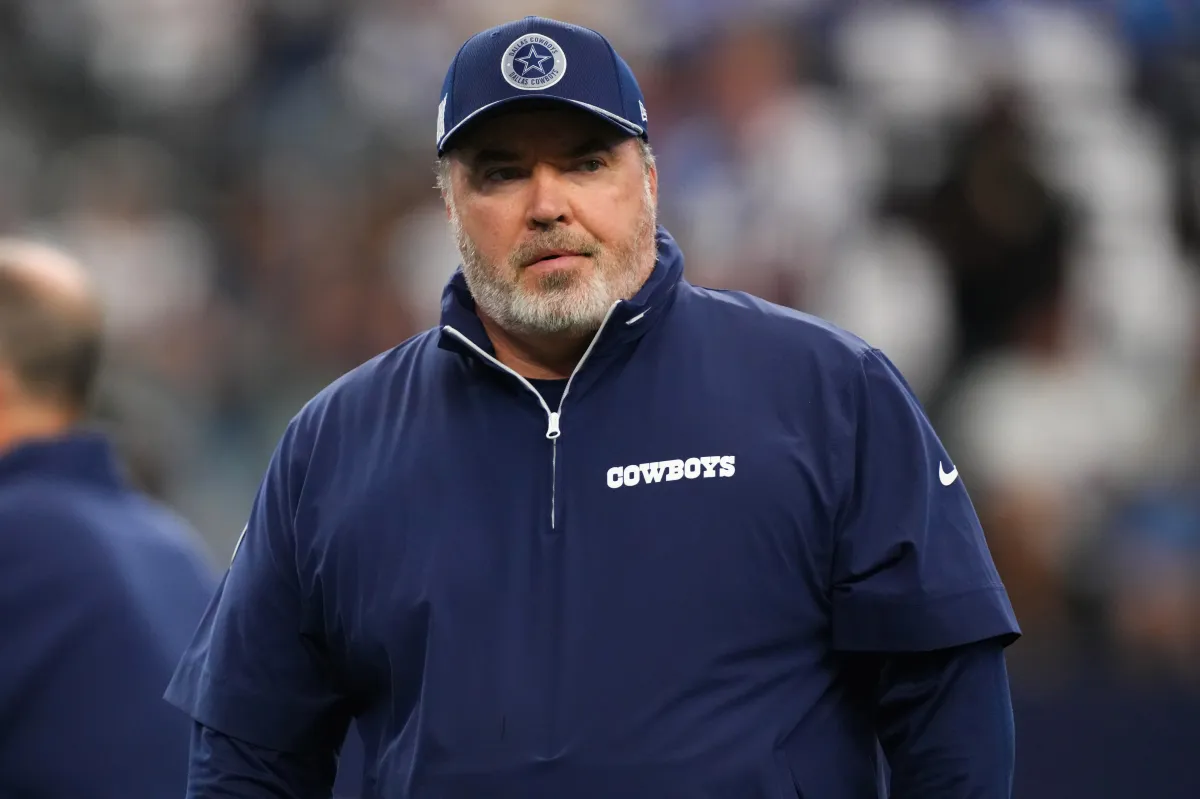
Steelers Turn to McCarthy: Rooney’s Vision for a New Era
In a move that has sparked diverse reactions across the NFL landscape, the Pittsburgh Steelers’ hiring of Mike McCarthy represents a pivotal moment for one of football’s most storied franchises. While social media debates rage on about the decision, Steelers president Art Rooney II has delivered a clear, confident message to the fanbase, emphasizing substance over style. “We’re really not worried about winning the initial press conference,” Rooney stated firmly. “It’s about picking the coach we believe will help us win games, and social media really doesn’t enter into it.” This pragmatic approach reflects the Steelers’ longstanding organizational philosophy—results on the field matter more than public relations victories. Rooney’s excitement is palpable as he envisions McCarthy leading the team into what he calls “the next winning phase of Steelers football,” suggesting a genuine belief that this change at the helm will ultimately resonate with supporters once the games begin.
The decision to bring in McCarthy comes at an interesting juncture in Steelers history. The Mike Tomlin era, while remarkably consistent with no losing seasons across 19 years, had begun to show signs of playoff stagnation. Despite Tomlin’s overall success, including a Super Bowl championship in the 2008 season and another appearance in 2010, the team’s recent playoff performance has left much to be desired. The stark reality of six consecutive playoff defeats, with five coming in the Wild Card round, likely influenced the organization’s decision to seek new leadership. The contrast is striking: while the Steelers maintained regular season stability under Tomlin, their postseason futility became increasingly difficult to ignore, creating a tension between consistency and championship aspirations that ultimately led to this significant change.
McCarthy’s own playoff record presents a fascinating parallel to the challenges that faced his predecessor. After winning Super Bowl XLV with the Green Bay Packers—ironically defeating the Steelers in that contest—McCarthy’s teams have struggled to recapture that championship magic. His 6-9 postseason record since that triumphant 2010 run, including limited playoff success with the talented Dallas Cowboys roster, raises legitimate questions about his ability to deliver in the season’s most critical moments. These concerns aren’t lost on the Steelers faithful, many of whom wonder whether McCarthy represents a true solution or merely a different version of the same playoff frustrations they’ve endured. The similarity in postseason trajectories between Tomlin and McCarthy creates an intriguing narrative as Pittsburgh embarks on this new chapter.
However, former Steelers head coach Bill Cowher has emerged as a prominent voice of support for the hire, highlighting McCarthy’s offensive background as particularly valuable for a team that has often struggled on that side of the ball. “I really like this hire,” Cowher remarked enthusiastically. “No. 1, he’s an offensive minded guy. He grew up under Marty Schottenheimer, so he knows the value in running the football.” This endorsement carries significant weight, coming from a coach who led the Steelers to their fifth Super Bowl victory and understands the unique pressures and expectations of the position. Cowher’s emphasis on McCarthy’s offensive credentials speaks to a potential shift in philosophy for a franchise traditionally known for its defensive prowess, suggesting the organization recognizes the need to evolve in today’s high-scoring NFL landscape.
McCarthy’s track record with quarterbacks represents perhaps the most compelling argument for his selection. Having helped Aaron Rodgers capture MVP awards in both 2011 and 2014, and later guiding Dak Prescott to MVP finalist status in Dallas, McCarthy has demonstrated a clear ability to maximize quarterback talent. This expertise could prove invaluable for a Steelers team that has struggled to find stability at the position since Ben Roethlisberger’s retirement. Whether working with Kenny Pickett, Mason Rudolph, or another quarterback not currently on the roster, McCarthy’s history of developing passers offers hope for an offensive renaissance in Pittsburgh. If he can replicate his quarterback success with the Steelers, it would go a long way toward validating Rooney’s confidence in this hiring decision.
As the dust settles on this significant coaching change, the ultimate judgment will come not from initial reactions or press conference performances, but from tangible results on the field. The Steelers organization has made a calculated decision based on McCarthy’s experience, offensive acumen, and championship pedigree, believing these qualities align with their vision for the future. While skeptics point to his recent playoff shortcomings, supporters emphasize his proven ability to elevate offenses and develop quarterbacks—precisely the areas where Pittsburgh has needed improvement. As Rooney aptly noted, none of the current debate “will matter once we’re starting to play games.” For a franchise with six Super Bowl trophies and a fanbase accustomed to excellence, McCarthy’s tenure will ultimately be defined by his ability to transform regular season success into postseason glory, bringing championship football back to the Steel City after years of playoff disappointment.