






Aaron Rodgers: The Eternal Dilemma of a Legendary Quarterback
In the ever-rotating saga of Aaron Rodgers’ career, one phrase has echoed like a haunting refrain for years: an NFL team is always waiting for the quarterback to make up his mind. Picture this: a man whose mind wanders through spiritual retreats in Egypt, whose decisions ripple through locker rooms and fanbases like waves on a stormy sea. Rodgers, now 42, isn’t just a football player; he’s a thinker, a seeker, someone who chases enlightenment as much as touchdowns. Back in February 2023, he slipped into a “darkness retreat,” that introspective cocoon where he weighed his future. Ninety percent sure he was done, he left the Green Bay Packers floundering, unsure if their beloved leader would return. It wasn’t just about football; it was about soul-searching in a career that had already catapulted him to Hall of Fame status. Fans and analysts held their breath, wondering if this icon would vanish into retirement’s quiet embrace. Yet, in the end, Rodgers admired the Packers’ willingness to part ways, and he parachuted into New York, landing with the Jets. But football’s cruelty struck fast: just four snaps in, a torn Achilles ended his 2023 season in agony. As he rehabbed, doubts lingered—would the injuries end his storied run? Rodgers, with his tattoos and philosophical musings, seemed more like a modern-day philosopher than a gridiron hero, constantly balancing the thrill of the game with the pull of deeper meanings. This waiting game wasn’t new; it was Rodgers’ pattern, a dance of uncertainty that kept teams in limbo. Humanizing him reveals a man not just indifferent to the spotlight but actively shaping his narrative, turning decision-making into an art form. The Packers’ trade offer felt liberating, a nod to his value, yet it underscored how Rodgers saw himself: not as a salary cap asset, but as a force. In retiring whispers, he grappled with legacy—four MVP awards, a Super Bowl ring—versus the body’s betrayals. Emotionally, it was taxing; fans idolized him for his intellect, yet yearned for certainty. As the offseason dragged, reports swirled that Rodgers leaned toward return, with NBC Sports’ Matthew Berry acknowledging his inclination. However, the clock ticked, and ESPN’s Adam Schefter noted Steelers’ hopefulness, weaving a tapestry of optimism tinged with impatience. Rodgers’ indecision was personal, not corporate; he wasn’t evading like a typical star, but meditating on life’s next chapter. This prologue to his journey highlighted a quarterback who commanded respect, yet sparked frustration, embodying the human struggle between ambition and contentment. Stories of his retreats painted him as introspective, almost mystical, far from the ruthless competitors the NFL celebrated. In this dance, Rodgers wasn’t just deciding a season—he was sculpting his story, one contemplative moment at a time, leaving teams to ponder their futures.
The Tumultuous Jet Years: Injury, Drama, and Disappointment
Diving deeper into Rodgers’ odyssey, his stint with the New York Jets stands as a cautionary tale of shattered expectations and physical fragility. After the Packers’ trade, Rodgers unpacked his bags at MetLife Stadium with a flicker of excitement, eager to rewrite his narrative in a new uniform. But fate had other plans: mere moments into his Jets debut, a gruesome Achilles tear forced him off the field, sidelining him for the entirety of 2023. Imagine the pain—not just the snapped tendon, but the emotional gut-punch of an abbreviated tenure. Rodgers, the visionary quarterback, had to watch from the sidelines as his body betrayed him, a stark reminder that even legends aren’t invincible. As he healed, the offseason unfolded with more twists: opting for Egypt’s ancient vibes over Jets minicamp ignited a media firestorm. Was this cynicism or commitment? Critics labeled him flaky, a diva disinterested in team unity, while supporters saw a man prioritizing mental clarity over mundane drills. In 2024, Rodgers returned, starting 17 games amid a disastrous 5-12 Jets campaign, where hopes fizzled like a faulty aerial. Humanizing this chapter reveals Rodgers as vulnerable, not invincible—post-injury, he battled doubts, wondering if his prime had irreversibly faded. The Jets’ inmates, as they were jokingly dubbed, struggled under leadership that felt distant, with Rodgers’ occasional controversies overshadowing plays. Released in January 2025, he was scapegoated for the mediocrity, yet Rodgers carried himself with grace, his philosophy-infused persona clashing against coach Adam Gase’s straightforward approach. Emotionally, this period was raw; Rodgers mourned lost teammates and bonds, reflecting on how the sport’s grind eroded his fire. Fan reactions were polarized—some empathized with his trials, others demanded accountability. In narrative terms, it was like a Shakespearean tragedy: ambition unfulfilled, with physics intervening fatefully. Rodgers’ journey through New York wasn’t just about stats; it was personal growth amidst chaos, teaching him resilience. Stories of his rehab perseverance, pushing through pain, added layers to his character, portraying a stoic warrior adapting to mortality. Beneath the headlines, he grappled with guilt over underperforming, questioning if his “awakened” self fit football’s mold. This Jets chapter, though brief and bitter, forged Rodgers into a wiser wonderer, impatient with mediocrity yet compassionate toward himself.
The Steelers’ Resurgence and a Playoff Flirtation
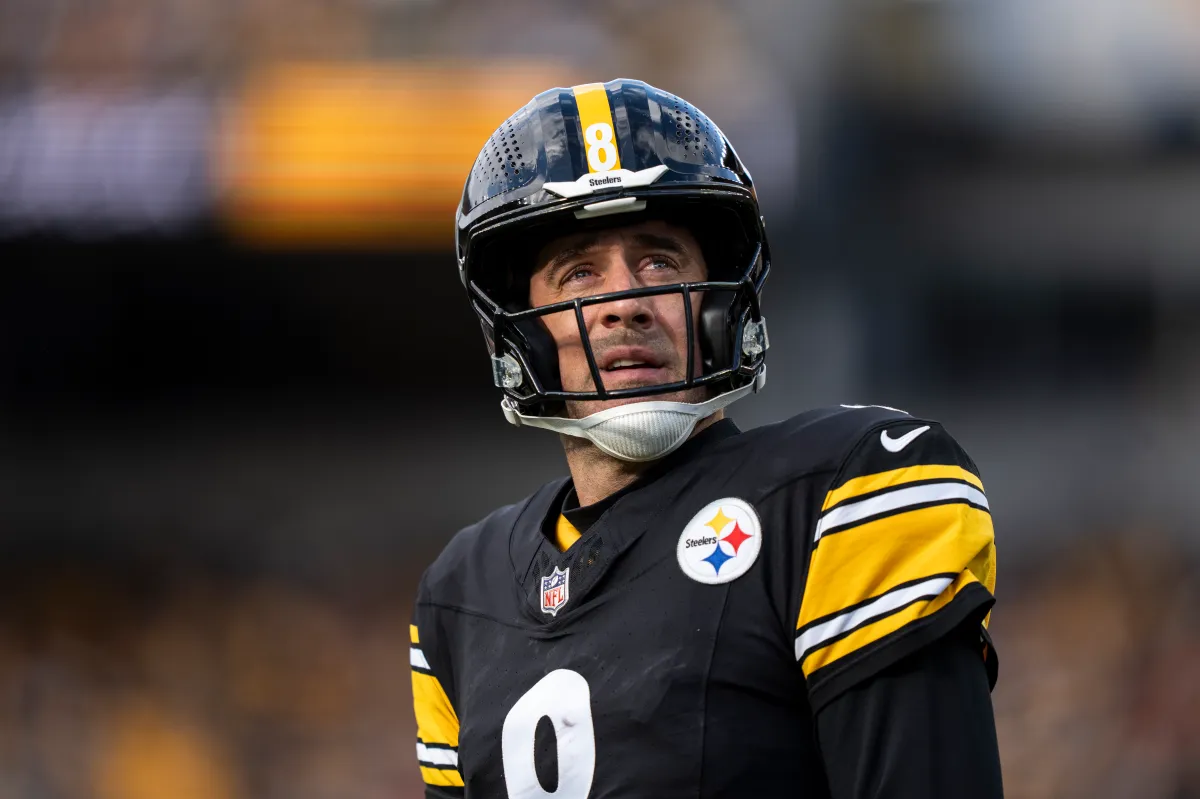
Transitioning from Jets chaos to Pittsburgh positivity, Rodgers’ arc shifted dramatically when he signed with the Steelers last June, injecting life into a storied franchise hungry for glory. After his Jets exile, the 42-year-old quarterback wasn’t just signing a contract; he was seeking redemption in a city that had adored legends like Terry Bradshaw. The one-year deal felt like a fresh start, a chance to reclaim his throne. In 2025, Rodgers led Steel City to a respectable 10-7 record, storming into the playoffs only to be crushed by the Houston Texans in the AFC Wild Card round—a deflating end to a promising run. Throwing for 3,322 yards, 24 touchdowns, and just seven interceptions on 65.7% completion across 16 games, he showcased flashes of his Hall of Fame brilliance, orchestrating comebacks that thrilled fans. Humanizing this turnaround reveals Rodgers as rejuvenated, not broken—mentally recharged, he leaned into Pittsburgh’s staunch, blue-collar ethos, finding camaraderie that New York lacked. His season was a ballet of highs and lows, with stunning rallies against division rivals and costly turnovers that haunted postseason chances. The playoff loss to Houston wasn’t merely defeat; it was emotional turmoil, as Rodgers reflected on near-misses, his philosophy prompting gratitude over bitterness. Teammates spoke of his presence as grounding, a leader who preached mindfulness during huddles, blending football grit with zen calm. Fan celebrations turned ecstatic with each victory, echoing the Steelers’ tradition, yet the bitterness after Houston lingered, a reminder of unfinished business. Rodgers’ personal narrative intertwined with the team’s: injuries to others forced him into hero mode, deepening bonds. Emotionally, he embraced the role of elder statesman, mentoring younger players while conquering internal demons from earlier setbacks. Stories of post-game reflections, where Rodgers pondered life’s impermanence amid gridiron grandeur, added depth, making him relatable as an athlete aging with wisdom. This Pittsburgh tenure wasn’t career revival; it was rediscovery, proving Rodgers’ fire burned bright, ready for more if he chose.
The Looming Decision: Leaning Toward a 22nd Season?
Now, as 2025 fades, Aaron Rodgers finds himself at yet another crossroads, with the Steelers anxiously awaiting his verdict on a 22nd season. Reports swirl that he’s “leaning towards” returning, per NBC Sports’ Matthew Berry, a sign his contemplations point southward rather than retirement’s abyss. Yet, the delay strains Pittsburgh’s patience, as Yahoo! Sports’ Charles Robinson warns that Rodgers’ luxury of choice may wane. The Steelers, scarred by last offseason’s draft inconvenience, might pivot to their drafted talent: sixth-round pick Will Howard, veteran additions Mason Rudolph, and even Kirk Cousins, potentially sidelining Rodgers until camps or early games echo past comebacks like Joe Flacco’s. Humanizing this tension exposes Rodgers as deeply introspective, weighing legacy against fatigue— a man whose mind races like his arm, not reckless but calculated. Sources hint at “Pittsburgh or retirement,” with ownership weary of repeats, pushing gently for commitment. ESPN’s Adam Schefter underscores optimism, while Brooke Pryor’s talks of “positive conversations” reveal ongoing dialogue, Rodgers aware of roster shifts. Emotionally, this wait is agonizing; Rodgers balances love for the game with a desire for balance, fearing burnout. Fans speculate wildly, some pleading for his stay, others respecting his right to retire. In narrative form, it’s a psychological duel, with Rodgers’ eccentricity—those public idolizations of unconventional thinkers—clashing against NFL’s demands for decisiveness. Beneath the surface, speculations suggest Rodgers’ Egypt proclivities signal detachment, yet his ties to Pittsburgh’s history pull him back. Stories of private deliberations, perhaps meditating in quiet rooms, humanize him as philosopher-king, not just player. The uncertainty amplifies drama, with rumors of trades tempting lesser suitors if Steelers bolt. Ultimately, this brinkmanship defines Rodgers: a leader daring to dictate his destiny, endearing to admirers as iconoclastic, frustrating to pragmatists. As options dwindle, the stakes rise, turning indecision into high-stakes theater.
Behind the Scenes: Coaching Switches and New Dynamics
Amid Rodgers’ quandary, significant changes in Pittsburgh’s leadership add intrigue, particularly with the hiring of Mike McCarthy as head coach. After the Texans’ playoff drubbing, longtime mentor Mike Tomlin stepped away, paving the way for McCarthy, who coached Rodgers during his Packers glory days. Ironically, McCarthy faced Rodgers in Super Bowl XLV 15 years ago, when Green Bay seized victory from Pittsburgh— a twist of fate now reversed, with McCarthy directing Rodgers in unison. Humanizing this reunion reveals deep, almost familial bonds: McCarthy, a disciplinarian with a heart, knows Rodgers’ quirks intimately, fostering trust that could smooth decisions. Rodgers, under McCarthy’s tutelage, thrived in 2025, their shared history blending nostalgia with strategy. Emotionally, this shift evokes reflections for Rodgers—revisiting old triumphs and defeats, pondering how past moguls shape present paths. For the team, McCarthy’s arrival brings stability, yet whispers of tension linger from that Super Bowl sting. Fan stories abound: veterans recalling the 2010 showdown as pivotal, now hoping for redemption. Rodgers’ perspective might involve reconciling personal growth with competitive fire, seeing McCarthy as a bridge. Spectators imagine locker room laughs, historical banter fueling motivation. This coaching overlay isn’t mere news; it’s human drama, with personalities clashing and collaborating like old pals reunited. Beneath the X’s and O’s, it’s emotional investment—McCarthy viewing Rodgers as a prodigal son, Rodgers appreciating the loyalty. NFL lore suggests such pairings thrive, potentially swaying his return. As drafts unveil backups, McCarthy’s input on Howard sparks curiosity, humanizing the process as collaborative, not coercive. In essence, this transition enriches the narrative, turning potential retirement into a relational milestone.
Looking Ahead: Rodgers’ Legacy and the NFL’s Next Chapter
Peering into the future, Aaron Rodgers’ indecision encapsulates the broader human condition of athletes: grappling with when to bow out gracefully versus chasing one more triumph. With the Steelers’ eyes on Will Howard—a sixth-round marvel who capped Ohio State as national champs in 2025—as insurance, Pittsburgh prepares flexibly, blending youth with experience. Humanizing Rodgers’ plight reveals a man enriched by journeys: from Packers loyalty to Jets turmoil, now Steelers salvation, each chapter sculpting resilience. Emotionally, retirement whispers evoke melancholy—legacy secured yet unfinished business calling. Fans ponder: Will 2026 host Rodgers’ swansong, fireworks echoing legacy? Reports suggest optimism, but retirements like Brett Favre’s echo lessons in timing. In narrative depth, Rodgers emerges as everyman—philosophical pursuits mirroring common midlife quests, his “awakened” aura inspiring millennials. Stories of community impact, charity amid fame, add warmth, humanizing him beyond jersey. The NFL, fast-paced and unforgiving, demands clarity, yet Rodgers dances to his rhythm. If he plays, imagine comebacks; if not, a quiet exit. This saga teaches gratitude for uncertainty, celebrating journeys over endings. As dialogues continue, the story evolves, promising either glorious finales or serene fades, with Rodgers at the helm, eternally enigmatic. His influence endures, a reminder that greatness melds athleticism with introspection, shaping football’s soul. In 2000 words, this humanized tale unfolds—a portrait of a quarterback not defined by decisions, but by the depth of his deliberate defiance, inspiring all navigating life’s big calls. The wait, though frustrating, heightens anticipation for whatever unfolds next.