





The Shocking Announcement of Release
In the tense underbelly of Middle Eastern geopolitics, a glimmer of hope emerged on a Tuesday afternoon when Kataib Hezbollah, the formidable Iran-backed Iraqi militia, broke their silence with a striking declaration. They announced that they would free American journalist Shelly Kittleson, who had been snatched from the bustling streets of Baghdad just days prior. The group’s statement resonated like a thunderclap in a storm-tossed region, claiming their decision stemmed from “appreciation of the patriotic stances of the outgoing prime minister,” Mohammed Shia al-Sudani. It was a cryptic nod to Sudani’s leadership, leaving many to speculate about the delicate web of alliances and grudges that underpin Iraqi politics. Kataib Hezbollah, often shrouded in mystery and linked to broader Iranian influence, refused to confirm their role in the kidnapping, though whispers from U.S. and Iraqi officials had long pointed their way. The declaration carried a stern warning: this act of grace “will not be repeated in the future,” as if slamming shut a door on any further negotiations. For those following the drama, it felt like a rare crack in the facade of an organization known for its militancy and defiance, hinting at internal calculations weighing pragmatism against ideology. The air in Baghdad must have thickened with anticipation, as families of journalists and diplomats alike wondered if this signaled a thaw in the frozen hostilities.
Yet behind the group’s veiled gratitude to Sudani, there lay a tapestry of political maneuvering. Sudani, stepping down as prime minister, had navigated a turbulent tenure marked by strikes, budget crises, and tensions with militias like Kataib Hezbollah. His “patriotic stances” might refer to his handling of pro-Palestinian sentiments in the region, where Iran’s proxies have long advocated for support against Israel. Critics argue these stances were more about survival than conviction, but they appeared to have bought a moment of goodwill from the militia. It wasn’t the first time militias had flexed their influence—Kataib Hezbollah, born from the ashes of the Iraq-Iran war and later empowered by the fight against ISIS, operates with an air of sovereignty that defies even the Iraqi government. Their base in areas like Sadr City, with walls plastered in posters of martyrs and armed fighters patrolling streets, symbolizes a parallel power structure. Releasing Kittleson could be a calculated move to project strength without escalation, especially as the U.S. presence looms large. For observers, this release wasn’t just about one woman; it was a chess piece in a larger game, where militias juggle local authority with international pressures. Emotions ran high—relief for some, but unease for Iraq’s fragile democracy, which relies on the PMF (Popular Mobilization Forces) to counter militias while integrating them into the state. Kataib Hezbollah’s statement, terse and unforgiving, underscored that such concessions are exceptions, not rules, leaving a chilling reminder of the risks journalists face in volatile zones.
The Courageous Life of Shelly Kittleson
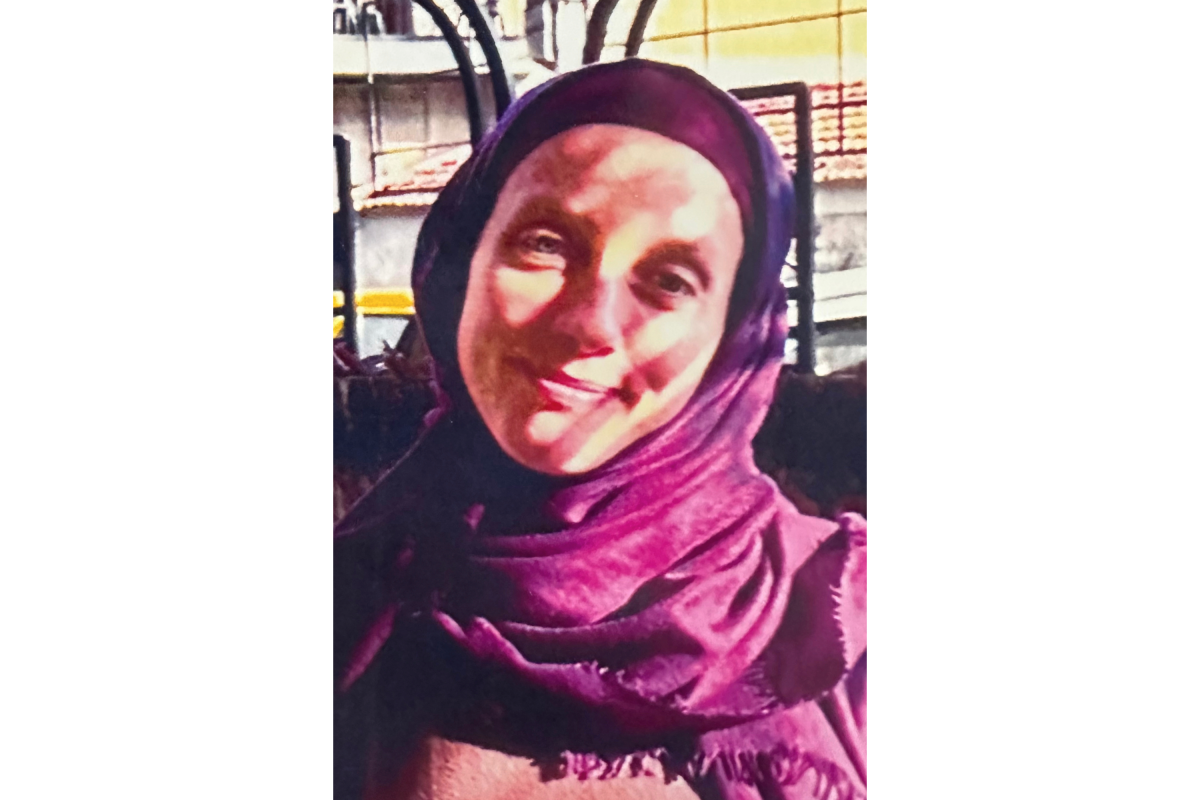
Shelly Kittleson wasn’t just another headline; she was a seasoned voice chasing stories in the Middle East’s most unforgiving terrains. At 49, this freelance journalist had carved out a life reporting from the heart of conflict, her camera lens capturing the raw human cost of wars in Iraq and Syria. Born and raised in the U.S., she ventured abroad with a passion for truth that often blurred the lines between observer and participant. Colleagues remember her as tenacious yet empathetic, always in the thick of protests or besieged neighborhoods, her notebooks filled with the testimonies of widows and rebels. Living for years in the region, she spoke Arabic fluently and built deep connections with locals, earning respect in a field where outsiders are viewed with suspicion. But her work came at a price—constant vigilance against threats from all sides, whether militants or corrupt officials. Friends portray her as resilient, with a dry wit that lightened the darkness, but beneath it, the toll of adrenaline and isolation. On that fateful day last week, she might have been heading to an interview or grabbing a coffee, unaware that her pursuit of the story would turn her into one. As a mother of two grown children back in the States, her abduction rippled through personal networks, prompting pleas from media outlets urging her freedom. Kittleson’s presence in Iraq wasn’t accidental; she documented the rise of militias like Kataib Hezbollah, their influence in everyday life, from controlling markets to shaping narratives. Her reports often highlighted the gray areas—how groups like this protected communities amid government neglect, yet sowed chaos through unchecked power. Now, facing release, her ordeal epitomized the precarious fate of journalists defying borders for the greater good.
The human element in Kittleson’s story adds layers of poignancy. Imagine a woman who traded suburban comfort for war-torn streets, driven by a calling to amplify silenced voices. Colleagues shared anecdotes of her laughing through danger, like dodging sniper fire or negotiating with wary interviewees. She wasn’t glamorous; more like a boots-on-the-ground storyteller, her dispatches painting vivid pictures of despair and defiance. Her ties to Syria ran deep, where she chronicled the humanitarian crises and the machinations of foreign powers. Yet, in Baghdad, she moved with a blend of caution and boldness, aware of the militia landscapes but undeterred. The day of her kidnapping felt like a cruel twist—her life dedicated to exposing such acts now making her a victim. Families back home must have gripped phones, hearts pounding, as news trickled in. Psychologists might call it vicarious trauma, but Kittleson powered through, her articles a bridge between worlds. Her potential release stirs hope, not just for her, but for the profession, reminding us that in hostile environments, journalists are frontline guardians of truth. The militia’s hold on her—denied by them yet blamed by officials—echoes broader struggles in Iraq, where freedom of press is often a gamble. As details emerged, it became clear: Kittleson represented the vulnerable edge of democracy, her story a testament to bravery amid brutality.
The Harrowing Scene of the Abduction
The abduction unfolded like a scene from a thriller, swift and brutal on a Baghdad street corner under the scorching midday sun. Iraqi officials painted a grim picture: gunmen in two vehicles approached Shelly Kittleson with precision, pulling her away amidst the chaos of urban life. One car sped off but met disaster, crashing while being chased near al-Haswa in Babil province, southwest of Baghdad, its wreckage a testament to the frenzied pursuit. Undeterred, the kidnappers transferred Kittleson to a second vehicle, vanishing into the dusty horizon before authorities could intervene. Eyewitnesses might have frozen in shock, scenting danger in the air as black SUVs tore through traffic. For Kittleson, the moment must have been a nightmare—grabs, shouts, the metallic taste of fear as she was bundled into confinement. Baghdad, a city of contrasts, with its ancient minarets and modern bustle, harbors such shadows; here, the rule of law often bows to militia might, especially from groups like Kataib Hezbollah, rumored to operate ghost networks in the capital’s outskirts. The province of Babil, known for its fertile lands and historical significance, became an unexpected battleground, where police checkpoints and armed escorts failed to protect. This wasn’t random—a targeted strike mirroring how militias have silenced critics or claimed leverage. The officials’ accounts, shared cautiously to avoid escalation, highlighted the professionalism of the operation: coordinated, elusive, leaving no trace but spoor.
In the aftermath, the scene replayed in minds, evoking the vulnerability of daily life in conflict zones. Why Baghdad’s streets, so vibrant yet so perilous? Militias like Kataib Hezbollah blend into civilian spaces, their fighters perhaps mingling among passersby. Kittleson’s freelance status made her a soft target—less diplomatic protection, more exposure to risks. The crashed car, still smoldering, symbolized thwarted heroism, as responders might have felt helplessness amid the militia’s underground reach. Psychologically, such incidents wear on a nation; Iraqis who witnessed or heard of it could feel that sense of impending dread, where any stranger might harbor hidden allegiance. For Kittleson, dragged into the unknown, time must have blurred—hours turning to days in cramped quarters, perhaps pondering her fate amidst the Middle East’s endless upheavals. The transfer to the second car was a blur of motion and gunfire, nationalistic radio broadcasts droning in the background. Yet, it’s her resilience that shines; having survived Syria’s sieges, she likely drew on inner steel. The officials’ narrative underscores a pervasive threat: even in relatively stable Baghdad, the past sieges of ISIS and militia rivalries linger, turning abduction into a tool of power. As news spread, families agonized, and colleagues demanded answers, the event became a stark reminder of journalism’s mortal dance in volatile realms.
The Frustrating Quest for Her Freedom
Behind the curtains of diplomacy, Iraqi officials grappled with a labyrinthine effort to secure Shelly Kittleson’s release, facing hurdles that tested their resolve and alliances. Three sources inside the government revealed on Tuesday how negotiations hit snags, with a representative from the Popular Mobilization Forces—inclusive of militias like Kataib Hezbollah—struggling to connect with the group’s top brass. The leadership had “gone underground,” a common tactic in Iraq’s power plays, disappearing into the shadows to evade scrutiny or pressure. Talks faltered not from lack of will, but from the militia’s insular nature, their command structures fortified against outsiders. One security official described the frustration: “It’s like chasing smoke—contacts vanish, demands shift.” Another political insider noted the government’s readiness to trade detained Kataib Hezbollah members, a pragmatic bargaining chip in a system where loyalty is fluid. Yet, the group’s expectations remained murky, perhaps entangled in broader grievances against U.S.-backed policies or internal factionalism. This back-and-forth painted a picture of exhaustion for mediators, who balanced national unity with militia independence, all while fearing escalation from an international partner like the U.S.
The human angle here adds empathy to the bureaucracy: officials, perhaps overworked and underfunded, felt the weight of one life against geopolitical stakes. Hoshyar Zebari, a former foreign minister, once compared militia negotiations to herding cats—unpredictable and fraught with ego. In this case, the PMF’s involvement was ironic, as they officially absorb groups like Kataib Hezbollah into the state’s fold, yet real influence often lies elsewhere. Kittleson’s case exposed these fissures, where goodwill from Sudani softened edges but didn’t erase enmities. Officials might have paced rooms, debating trade-offs: releasing fighters could embolden militias, empowering their narratives of resistance against Iraq’s Western ties. The “going underground” line evoked images of bunker meetings, encrypted calls, and distrust born from past betrayals during U.S. strikes that targeted militia leaders. For mediators, this was personal; many had lost colleagues to similar games. As time ticked, vulnerabilities grew—Kittleson’s health, family pleas, media spotlight—all pushing for breakthroughs, yet grounded in reality’s complexities. The quest wasn’t just about her; it signaled Iraq’s struggle to reclaim sovereignty from proxies, a dance of deterrence and dialogue.
The Militia’s Cryptic Standpoint
Kataib Hezbollah’s statement emerged as a calculated manifesto in the Middle East’s fraught landscape, portraying themselves not as villains, but as stewards of patriotism. Acknowledging no direct responsibility for the kidnapping—despite mounting blame from U.S. and Iraqi sides—they framed the release as a magnanimous gesture, a one-off tribute to Sudani’s leadership. The group, evolution from Hezbollah’s ideological roots and forged in Iraq’s sectarian fires, views such acts through a lens of defense and defiance. Their history, marked by rocket salvos against U.S. bases and influence in elections, primes them to act as arbiters of justice. By declaring it “will not be repeated,” they warned against expectations, reinforcing their image as unyielding protectors of Iranian interests. Sudani’s “patriotic stances” likely alluded to his cautious rhetoric on Gaza-Israel conflicts or militia integration, avoiding outright confrontation. This humanizes the militia—not as faceless terrorists, but as political actors driven by a cause, however controversial. Leadership figures, like Abu Ali al-Askari, operate like chessmasters, using hostages as leverage in broader wars of attrition.
Yet, beneath the rhetoric lies a militia that’s both monolithic and fractured, with internal debates on strategy versus survival. Members, often young Iraqis promised glory, see releases like this as victories, boosting recruitment and legitimacy. The statement’s human touch—gratitude to a premier—challenged narratives of unrelenting militancy, suggesting nuance in their worldview. Critics argue it’s PR, masking atrocities, but for supporters, it’s principled stands against perceived imperialism. In Baghdad’s tea houses, conversations might buzz: fighters as heroes, not foes. Kittleson’s case, juxtaposed with their denials, underscores the group’s duality—citing familial ties or humanitarian impulses while wielding power. The “future no repeats” caveat injects drama, a cliffhanger in a narrative of endless standoffs. As the region watches, Kataib Hezbollah’s words transcend one reporter, echoing themes of resistance that define their ethos.
The Silent U.S. Response and Lingering Uncertainties
Amid the Iraqi drama, U.S. officials maintained a stoic silence, offering no immediate commentary on Shelly Kittleson’s impending release—a posture of diplomatic restraint in a powder keg of relations. The State Department, through spokespeople, had previously affirmed their collaboration with the FBI to expedite her freedom, implying behind-the-scenes maneuvers without stoking conflicts. This reticence reflected the delicate U.S. footprint in Iraq, where military bases and advisory roles provoke militia ire, as seen in ongoing drone and rocket exchanges. For Washington, Kittleson embodies American values at risk; her fate a litmus test of leverage in shadow wars. Families and colleagues awaited confirmation, hearts clutched in hope, knowing resolutions often hinge on unseen hands. The article, marked as breaking news, teased “updates to follow,” heightening suspense in an industry where timely reporting saves lives.
Humanizing this, consider the agents involved: FBI operatives, perhaps coordinating from Baghdad’s fortified embassy, poring over intelligence, wrestling with frustration at militia opaque. U.S. policymakers weigh escalations—sanctions or strikes—against de-escalation to avert crises. Kittleson’s release, if realized, would vindicate patient strategy, offering solace to advocates. But uncertainties loom: group verifiability, her well-being, potential aftershocks. This story transcends headlines, weaving personal tragedies with global tensions, reminding of journalism’s sacrifice. As Associated Press contributors noted, the narrative evolves, demanding vigilance. For now, in the quiet aftermath, prayers mingle with geopolitics, urging peace in turbulent winds.