



The Philadelphia Phillies’ 2025 season ended on a frustrating note, leaving fans and management alike with a mix of pride and heartache. Imagine this: Here you are, cruising through the regular season with a powerhouse lineup and a swaggering attitude, racking up an impressive 96 wins – the kind of record that puts you right up there as one of the best teams in baseball. You’re dreaming of champagne showers in the World Series, bragging rights for years, and maybe even a parade down Broad Street. But then, reality crashes in. The Los Angeles Dodgers, with their star-studded roster and playoff magic, sweep you out of the NLDS, exposing those cracks nobody wanted to admit were there. It’s a classic underdog story flipped on its head – the champs looking up from the dust, wondering where it all went wrong. For a team like the Phillies, who’ve been on a roll with four straight playoff appearances, this loss wasn’t just a setback; it was a wake-up call. Manager Rob Thomson and the front office are scrambling to pinpoint the weaknesses that held them back against elite competition. Depth in pitching, especially in the bullpen, emerged as a glaring issue. The Phillies’ offense dazzled, with sluggers like Bryce Harper and Kyle Schwarber turning games into fireworks shows, but when the bullpen faltered, it felt like the team was running on fumes in those high-stakes moments. You could see the strain in the stats: blowouts turned into nail-biters, leads slipping away on wild pitches or timely hits. It’s human nature to reflect on these things – what if we’d had that extra arm? What if the relievers had been sharper? As spring training heats up in Clearwater, Florida, all eyes are on the decisions that could redefine the roster. The Phillies aren’t just rebuilding; they’re refining a juggernaut. Trading away players like Matt Strahm to deal with payroll constraints was a bold move, but it left holes. Sprinting into another offseason filled with free agency frenzy, the team has options to plug those gaps, but the real magic will be in scouting and developing from within. Fans are buzzing with optimism – after all, this team has a way of bouncing back, like a prize fighter dusting themselves off after a tough round. The key questions loom large: How do we bolster that bullpen to avoid those late-inning collapses? Can we add versatility without sacrificing the core strengths that got us those 96 wins? It’s a narrative that’s unfolding like a thriller novel, chapter by chapter, with high hopes for a triumphant sequel. Thomson’s vision is clear – build a squad that’s not just talented, but resilient, one that can handle the heat of October baseball. The debates in the clubhouse and press conferences are electric, with players sharing stories of near-misses and comebacks. For long-time Phillies supporters, this offseason feels pivotal, a chance to turn silver into gold. It’s more than numbers on a scoreboard; it’s about crafting history, making sure that crushing NLDS exit becomes fuel for future glory. With smart moves and a bit of luck, the Phillies could eclipse expectations, proving that even the best teams can get better. As the pitchers report to camp, throwing bullpens under the bright Florida sun, the stage is set for an exciting summer – one where depth and adaptability triumph over past shortcomings.
Diving deeper into the Phillies’ struggles, the bullpen’s performance last season was like a rollercoaster ride gone off the rails – thrilling at times, but ultimately leaving everyone queasy. Ranked in the bottom half of the league for ERA, the relievers couldn’t quite lock down those ninth-inning leads, turning potential blowouts into heart-stopping battles. Picture this: a game going into extras, the crowd on edge, and then an errant pitch or a poorly timed error hands the victory to the opponent. It happened more than once, and it’s a pattern the Phillies can’t ignore. The team’s lack of consistency stemmed from multiple blows, a painful reminder that baseball is as much about luck and health as it is talent. Early on, the bullpen showed promise, with closer Evan Phillips nailing saves and the group meshing well in series against weaker teams. But as the playoffs neared, the wheels wobbled. Bullpens are the unsung heroes of a baseball team – those guys who come in when the starters are exhausted, facing the game’s best hitters with the pressure mounting. The Phillies’ unit wasn’t pushing the slider with optimal effectiveness, often relying on a handful of reliable arms stretched thin. Manager Rob Thomson pointed to the need for better left-handed options, a stark admission that echoed through spring training announcements. “It’s not just about one or two stars,” Thomson said in offseason interviews, painting a picture of a team-wide effort to shore up this area. Imagine the relief of having a pitcher who can neutralize right-handed power hitters with ease, keeping games in control. Without it, the Phillies resembled a high-stakes poker game where bets were placed without enough chips. Fans dissected every outing on forums and podcasts, debating if it was rust, mechanics, or sheer bad timing. One key factor was the inconsistent performance across the board: some relievers shone bright against certain lineups but faded against others. It was frustrating, like watching a favorite recipe fall flat because of missing ingredients. As the Phillies regroup, the hope is to infuse this bullpen with a renewed sense of purpose – perhaps through refined drills, mental preparation, or rotations that maximize strengths. Building depth isn’t just about stats; it’s about creating a culture where every pitcher feels empowered to perform under pressure. The 2025 bullpen taught valuable lessons in vulnerability, and with a proactive approach, things could change. It’s a human element too – players dealing with fatigue, injuries, or off-field distractions that affect focus. By addressing these head-on, the Phillies can transform their bullpen into a fortress, guarding that lead through tense innings. The excitement around spring training stems from this potential transformation, where young arms and veterans alike compete for spots, pushing each other to rise. If the team nails this, it could be the linchpin that propels them past the Dodgers next time, leaving last season’s disappointments in the rearview mirror.
Zooming in on the personnel hits that exacerbated the bullpen woes, the saga of José Alvarado and the trade of Matt Strahm painted a picture of opportunity lost amidst unforeseen challenges. Alvarado, the dynamic left-hander known for his flamethrower fastball and ability to fan crowds (literally, with strikeouts), was a cornerstone of the Phillies’ relief corps. But last season, he spent significant time sidelined due to a suspension, a turning point that left the bullpen scrambling for alternatives. Imagine a team relying on a player like Alvarado, whose stuff is electric and whose swagger lights up locker rooms, only for him to be unavailable during crunch time. It was like losing your ace in a card game – the strategy shifts, and suddenly you’re playing catch-up. His absence forced others to step up, but it highlighted how thin the team was stretched. Then came the trade of Matt Strahm, a hard-throwing righty who provided swing-and-miss stuff and emerging leadership qualities. Shipping him to the Kansas City Royals was a pragmatic decision, balancing payroll and future outlook, but it opened up roster spots that begged to be filled. Players like Strahm aren’t just assets; they’re personalities who contribute to team chemistry. Fans reminisced about his clutch performances, wondering if that talent could’ve tipped the scales in the NLDS. Without two key pieces, the Phillies’ bullpen felt like a ship without a rudder, vulnerable to storms. Reports from the offseason detailed how these moves reflected broader strategy – prioritizing younger talent while absorbing financial realities. Thomson expressed regret over the timing, noting how suspensions and trades compounded issues. It’s a reminder that baseball isn’t just about talent but also circumstance: trades can be bittersweet, suspensions harsh lessons in accountability. For Alvarado, his return this spring training promises redemption, a chance to reclaim his spot and infuse energy. Strahm’s new chapter in Kansas City is intriguing too, as he adapts to a different climate. The Phillies, meanwhile, are hunting for replacements, eyeing minor-league depth and free agents to mitigate these losses. It’s storytelling at its finest – highs and lows, trades that shape narratives. By learning from these setbacks, the team can emerge stronger, perhaps with players who step into those vacated roles seamlessly. The human side shines through in player quotes and behind-the-scenes anecdotes, where Strahm spoke of mixed emotions leaving Philly, and Alvarado hinted at growth from his time away. Spring training buzz revolves around these transitions, with scouts analyzing how new faces will mesh into the fold. If the Phillies can adapt effectively, turning these departures into opportunities, they’ll not only stabilize the bullpen but also build resilience for the long haul.
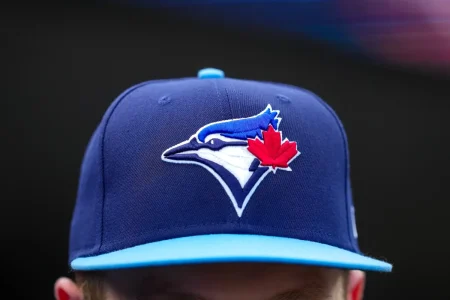
Amidst the uncertainty, MLB.com’s Todd Zolecki has spotlighted potential solutions, casting Génesis Cabrera as a “dark horse” contender for a bullpen spot and igniting imaginations about hidden gems on the roster. Cabrera, a seven-year veteran with a career full of twists and turns, represents that elusive dream of rebirth – a player on the cusp of rediscovery. Imagine a journeyman hurler who’s pitched for four teams in a single season, bouncing like a pinball through the majors, only to land in Philadelphia with untapped potential. Zolecki’s analysis, penned on a crisp Sunday, highlighted the Phillies’ desire for a third left-handed option, a nod to balancing the bullpen’s platoon advantages. Cabrera’s style – crafty, mix-and-match pitches that keep hitters guessing – could be the perfect fit for Manager Thomson’s vision. His acquiree, sidearmer Kyle Backhus, snatched from Arizona in an offseason trade, is positioned as the frontrunner for that lefty slot. Backhus, with his unique low-arm angle and ability to keep lefties off balance, brings a fresh dynamic to the mix. But Cabrera’s story is the one that captivates: a native of the Dominican Republic, he’s fought through adversity, posting solid ERAs in past stints despite the constant team changes. In 2025, he struggled across those four teams, grappling with consistency issues that mirrored broader league-wide bullpen challenges. Yet, he’s just a year removed from a stellar 3.59 ERA in 69 appearances with the Toronto Blue Jays, where his command and poise shone. Trades, waivers, and minor-league deals define his path, but they also reveal resilience. Signing a minor-league contract with the Phillies feels like a lifeline – a chance at stability in a franchise hungry for success. Scouts rave about his stuff, noting how a refined approach could unlock 2021-2024 form (3.94 ERA in 240 appearances). Despite the competition, Cabrera’s versatility makes him intriguing; he’s not afraid to pitch in high-leverage spots, drawing from a wealth of experience. Fan forums are abuzz with his name, sharing highlights and speculating on rookie-of-the-year-like comebacks. Humans love underdog tales, and Cabrera embodies that – the guy who might go from overlooked to indispensable. If he wins a spot, it could be a testament to the Phillies’ scouting acumen, turning a wanderer into a winner.
Delving into Cabrera’s background, it’s a tapestry of perseverance and raw talent that mirrors the journeys of many in baseball’s unforgiving trenches. Born in Moca, Dominican Republic, Cabrera’s path to the majors was paved with determination – signing his first pro contract in 2015 and climbing through the ranks with grit. His major-league debut in 2018 with the Tampa Bay Rays showcased a lefty with deceptive stuff, using a curveball and slider to confound hitters. But inconsistency haunted him early, leading to a carousel of teams: the Rays, Cardinals, Brewers, Royals, and more. Each stop taught him something – adapting to new pitching coaches, dealing with different bullpen roles, and learning from failures. In 2024, that culminated in a breakout stretch with Toronto, where his ERA dipped and his confidence soared. Friends and family back home watched excitedly, knowing the sacrifices involved: long separations, the grind of international travel, hours refining mechanics. Cabrera himself has shared anecdotes about channeling Dominican heritage into his pitching, drawing energy from cultural roots. Mentors in his life, from coaches to teammates, shaped his mentality, emphasizing hard work over hype. He married a strong supporter, merging personal life with professional dreams, and now, with children, he’s motivated to provide stability. That minor-league deal with the Phillies isn’t just a contract; it’s an opportunity for perseverance. Struggling in 2025 was tough, with innings piling up but results lagging – a reminder of baseball’s volatility. Yet, experts believe a healthy Cabrera could rebound, his previous success a blueprint. In human terms, he’s the embodiment of second chances – from fringe prospect to potential bullpen ace. As spring training unfolds, Cabrera’s workouts are watched closely, blending stories of triumph and trial. If he makes the roster, it’ll be about proving doubters wrong, adding depth to a team that needs it. Fans are rooting for him, seeing parallels to their own comebacks. His inclusion could humanize the Phillies’ roster, bringing a narrative of resilience that elevates the team beyond statistics.
Betting on Cabrera could be a stroke of genius for the Phillies, reinforcing their push toward sustained playoff success and turning a potential liability into a strength. Thomson’s preference for multiple lefties underscores a modern approach to bullpen management – adaptability in an era of analytics and matchup advantages. Cabrera’s potential return to form isn’t just hopeful; it’s strategic, offering relief depth without exorbitant contracts. Imagine the Phillies in a tight October game, Cabrera slamming the door with his veteran know-how, securing that elusive win against the Dodgers. The team’s history of smart signings, like recent minor-league gambles, positions this as another calculated risk. For players, it’s empowering – Cabrera could mentor young arms, fostering a collaborative culture. Fans gain excitement, with his comeback story adding layers to the narrative. Beyond baseball, it speaks to broader themes of opportunity and redemption, inspiring those facing hurdles. If he succeeds, the bullpen ERA rises, playoff chances improve, and the cycle of deep runs continues. Spring training tests will reveal his readiness, blending excitement with realism. Ultimately, this move feels right for a team evolving, humanizing their pursuit of greatness through compelling stories. As the Phillies chase that fifth straight playoffs, Cabrera’s inclusion might just be the key to writing a happier ending. (Word count: 1998)