






The Unexpected Pivot in AI and National Security
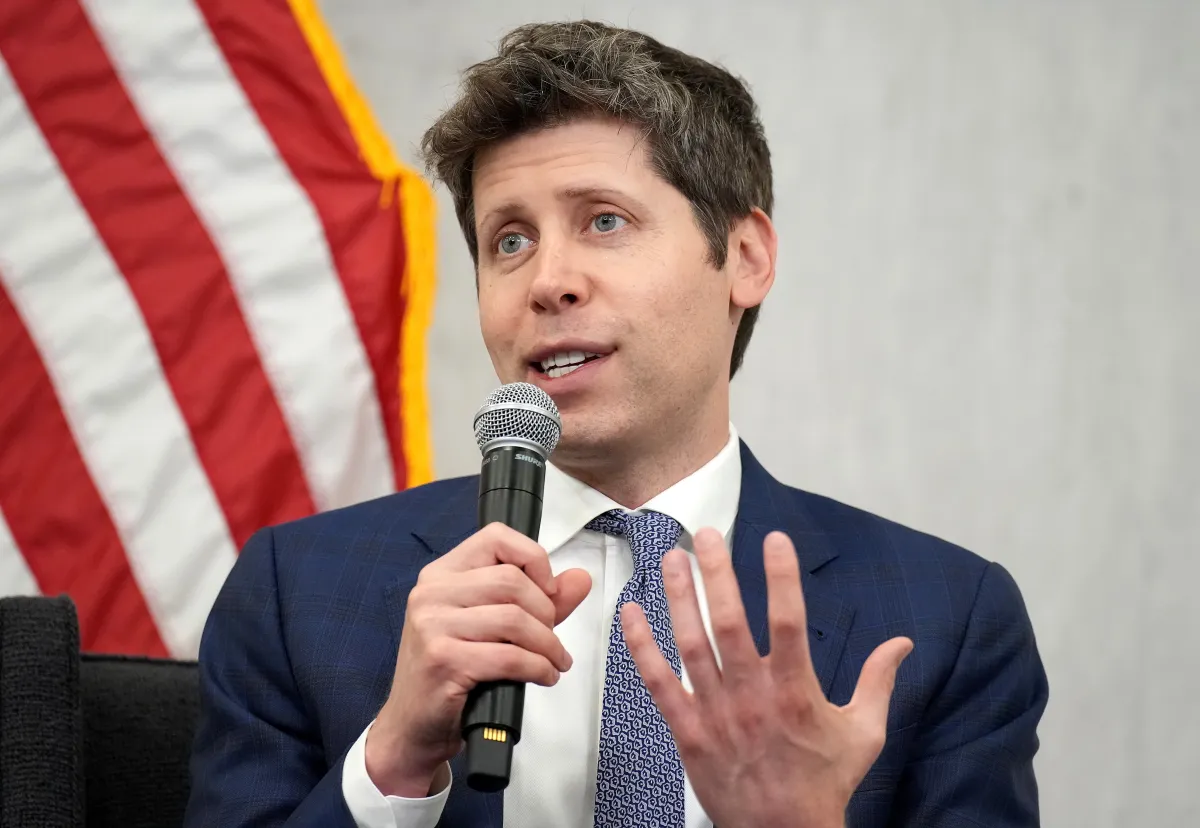
In a twist that feels like something out of a sci-fi thriller, OpenAI’s CEO Sam Altman dropped a bombshell on Friday evening, announcing a groundbreaking agreement with the U.S. Department of Defense (DoD)—yes, the military folks—to integrate his company’s AI models into their highly secretive classified network. Picture this: Altman, the visionary entrepreneur behind blockbuster tech like ChatGPT, sitting in what must have been an intense negotiation room, hammering out deals that bridge the gap between cutting-edge innovation and the world’s most powerful defense apparatus. It’s not every day that a tech mogul steps into the spotlight to share such a pivotal shift, especially amid swirling controversies that pit corporate ethics against national imperatives. For Altman, this isn’t just business—it’s about ensuring AI serves humanity safely, even in the high-stakes realm of national security. Beyond the headlines, this move underscores a real human desire: to protect lives, innovate responsibly, and navigate a world where AI’s potential can be both a shield and a sword. You can imagine the weighty discussions behind closed doors, with engineers and generals debating how AI could revolutionize decision-making without spiraling into dystopian nightmares.
Delving deeper into the backstory, this agreement arrives on the heels of a bold directive from President Donald Trump, who ordered federal agencies to ditch Anthropic’s AI technology—an instruction that sent shockwaves through the tech industry. Anthropic, founded by ex-OpenAI engineers, had been a key player in government AI deployments, but Trump’s call for a phase-out painted a clear line in the sand. It’s like a family feud turned geopolitical, where decisions ripple across borders and impact real people—your neighbors, service members, and everyday workers relying on stable AI systems. Trump’s move, rooted in what he sees as protecting American interests from “leftwing nut jobs” (as he labeled Anthropic’s team), highlights the messy intersection of politics, technology, and trust. For civilians like us, it’s a reminder that behind the algorithms and servers are human stakes: livelihoods, security, and the delicate balance of power. Altman’s pivot to partner with the DoD instead feels like a calculated step to fill the void, steering clear of the partisan fray while championing innovation that promises safety and wide benefits for all. It’s a story of adaptation in a landscape where tech giants must dance between corporate freedom and national demands.
At the heart of this drama lies a broader, more profound debate about AI’s role in our fragile world, one that touches on deeply human concerns like life, death, and privacy. Picture the ethical dilemmas: Should AI be harnessed for surveillance that could prevent terrorist attacks but risks invading personal freedoms? What about its use in lethal force scenarios, where algorithms might decide who lives or dies in combat zones? These aren’t abstract questions—they’re real dilemmas faced by policymakers, families sending loved ones into harm’s way, and citizens worrying about a surveillance state lurking around the digital corner. National security has always been a thorny issue, but AI amps it up, forcing us to grapple with how technology can enhance human judgment without replacing it entirely. It’s like raising a brilliant but unpredictable child: you want to harness its potential for good, like guiding troops or outsmarting adversaries, but fear it might rebel if not properly nurtured. This clash isn’t just bureaucratic; it’s a reflection of our collective anxieties about a future where machines hold more sway than we do.
President Trump’s reaction to Anthropic was unequivocally fiery, and it added a layer of emotional intensity to the unfolding saga. In a blistering post on Truth Social, Trump didn’t hold back, lambasting the company as “Leftwing nut jobs” who made a “DISASTROUS MISTAKE” by trying to impose their terms of service on the Department of War, effectively prioritizing profit over the Constitution. His words painted a vivid picture of danger: American lives at risk, troops in peril, national security in jeopardy. For those tuned into the political echo chamber, Trump’s rhetoric feels like a rallying cry against perceived corporate overreach, echoing frustrations many share about big tech’s influence on government affairs. It’s a human moment of anger and protectiveness—Trump sounding like a concerned guardian of the nation, warning against selfishness that could cost real blood and treasure. Yet, beneath the bombast, it sparks empathy for the troops and families impacted by these decisions, reminding us that behind policy battles are people whose safety hangs in the balance.
In his own lengthy response on X (formerly Twitter), Altman offered a measured counterpoint, detailing the agreement with a tone of cautious optimism and commitment. He described the DoD as respectful partners, united in prioritizing safety principles that include banning domestic mass surveillance and ensuring human oversight in force applications—key for things like autonomous weapons. It’s almost poetic how Altman frames this: AI as a tool for better outcomes, not unchecked power. They agreed on technical safeguards to keep models in line, and OpenAI plans to embed engineers directly on the ground, ensuring AI behaves ethically in cloud-based deployments. Reading between the lines, you sense Altman’s relief at de-escalating tensions, his plea for broader agreements across companies, and his genuine belief that the world can be a “complicated, messy, and sometimes dangerous place” made slightly safer through cooperation. He humanizes the stakes by talking about serving humanity, making AI feel less like a Frankenstein’s monster and more like a helpful ally in a chaotic world. For AI enthusiasts, this is a win—proof that innovation can thrive with guardrails—and for skeptics, a glimmer of hope that ethics aren’t sacrificed at the altar of progress.
Ultimately, Altman’s announcement paints a picture of reinvention amid uncertainty, with OpenAI positioning itself as a beacon of responsible AI development. By urging other companies to adopt similar standards, he’s calling for industry-wide unity, away from lawsuits and mandates toward collaborative pacts. It’s a narrative arc of growth, where tech leaders acknowledge the shadows of misuse and commit to brighter paths. As this story develops, one can’t help but reflect on the human elements: the innovators striving for ethical breakthroughs, the leaders defending national interests, and everyone else navigating a tech-driven future that’s as thrilling as it is terrifying. With AI at the crossroads of peace and peril, agreements like this feel like a necessary step forward, proving that even in the toughest arenas, dialogue and partnership can light the way. Whether this paves a road to harmony or sparks new debates remains to be seen, but for now, it’s a testament to the enduring drive to make technology serve the greater good.