



Russia’s Potential Threat to Starlink: NATO Intelligence Raises Alarms
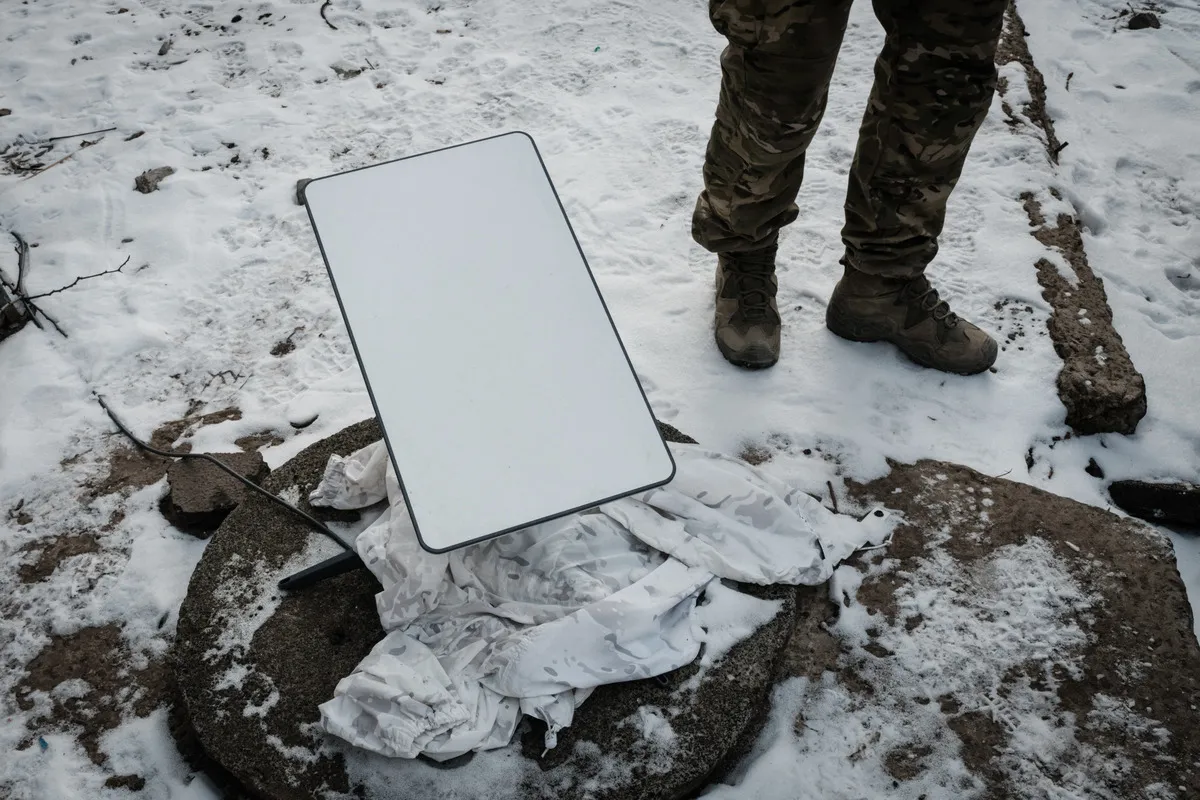
In a concerning development for space security and international relations, intelligence agencies from two NATO countries have reportedly uncovered evidence suggesting Russia is developing a new anti-satellite weapon specifically targeting Elon Musk’s Starlink satellite network. According to an Associated Press report released Monday, this weapon wouldn’t simply target individual satellites but would employ a destructive approach designed to fill Starlink’s orbital paths with debris, potentially disabling multiple satellites simultaneously. The significance of this threat extends beyond just Starlink’s commercial operations, as the satellite network has become an essential communication infrastructure for Ukraine’s defense against Russian aggression, providing crucial internet connectivity for battlefield communications and drone operations since the conflict began.
The reported Russian anti-satellite weapon represents a troubling escalation in the militarization of space. By designing a system that would create orbital shrapnel, Russia appears to be considering a strategy that experts have long feared – the deliberate creation of space debris that could trigger a cascading effect known as Kessler Syndrome. Such an approach wouldn’t merely damage Starlink satellites but could potentially render entire orbital bands unusable for decades, affecting numerous countries’ satellite systems, space operations, and even endangering crewed missions. This indiscriminate approach to space warfare demonstrates a concerning disregard for international norms regarding the peaceful use of outer space and raises serious questions about Russia’s commitment to preventing the weaponization of this shared domain.
The timing of this intelligence finding is particularly notable given Starlink’s critical role in Ukraine’s defense infrastructure. Since Russia’s full-scale invasion in 2022, Ukrainian forces have relied extensively on Starlink’s internet services to maintain communications in areas where traditional infrastructure has been damaged or destroyed. This dependency extends to Ukraine’s innovative use of drones for reconnaissance, targeting, and strikes against Russian forces – capabilities that have proven surprisingly effective in countering Russia’s conventional military advantages. By targeting Starlink, Russia appears to be seeking ways to eliminate this critical advantage that has helped Ukraine maintain its defense despite being outmatched in conventional military power, potentially changing the dynamics of the conflict significantly.
This development highlights the increasing integration of commercial space technologies into modern warfare and national security frameworks. Starlink, originally conceived as a commercial venture to provide global internet access, has inadvertently become a crucial military asset in an active conflict zone. This blurring of lines between civilian and military space infrastructure presents complex challenges for international law and space governance. As private companies like SpaceX play increasingly important roles in conflicts through their technologies, questions arise about their responsibilities, vulnerabilities, and the protections they should receive under international law. The targeting of commercial space infrastructure also demonstrates how the boundaries between civilian and military domains continue to erode in modern conflicts, with serious implications for future warfare.
The international response to this reported threat will likely be significant, potentially accelerating discussions about space security and arms control. NATO countries may need to consider how attacks on commercial space assets owned by member nations’ companies would trigger alliance defense provisions, while the broader international community might face renewed pressure to develop more robust legal frameworks governing military activities in space. For Elon Musk and SpaceX, this development presents both a security challenge and a complex political situation, as Starlink’s operation in Ukraine has already created tensions with Russia. The company may need to consider additional defensive measures for its satellite constellation or work with the U.S. government to develop protective strategies against such threats, potentially accelerating the development of resilience features in future satellite designs.
As this situation continues to unfold, it represents a concerning milestone in the evolution of space as a contested domain. While the full details of Russia’s alleged anti-satellite weapon remain classified, the mere existence of such a program signals a dangerous willingness to extend terrestrial conflicts into orbit. This not only threatens the immediate security interests of Ukraine and its allies but also poses longer-term risks to the sustainable use of space for all nations. The international community now faces critical decisions about how to respond to this escalation, balancing the need to protect vital space infrastructure while preventing a dangerous arms race in orbit. As we await further details, this development serves as a stark reminder that the militarization of space is advancing rapidly, with potentially profound consequences for global security and the future of human activities beyond Earth.