


The Race Begins: A Senate Seat Up for Grabs
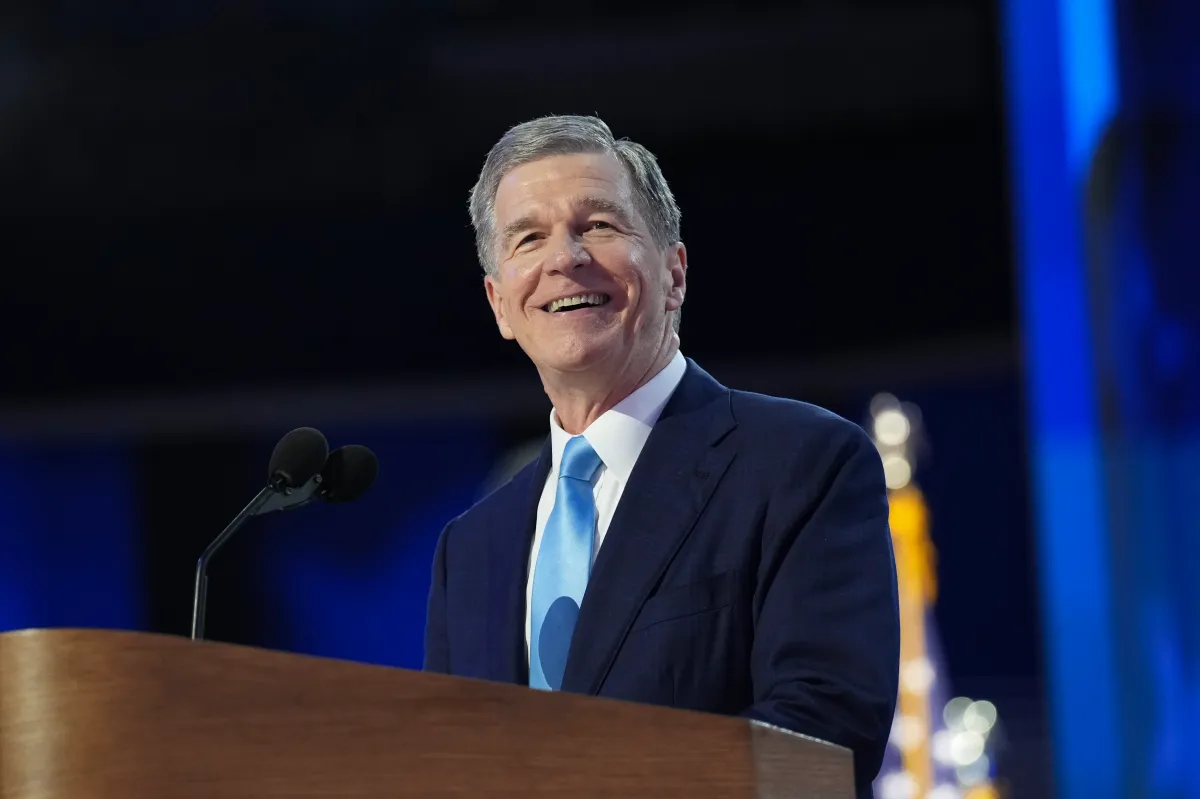
Imagine waking up in North Carolina, a state where the rolling hills meet bustling cities, and lifelong residents have seen their share of political drama. That’s the backdrop for the 2026 U.S. Senate race, set to unfold like a family feud at a county fair—passionate, unpredictable, and with everyone guessing who’s bringing the best barbecue. At the center is former Democratic Governor Roy Cooper, who just clinched his party’s nomination in the primary elections. With a whopping 92% of the Democratic vote, it’s clear he’s the crowd favorite among blue voters. On the other side, ex-Republican National Committee Chair Michael Whatley secured his spot with 64.6% of the Republican vote, despite some internal squabbles. This isn’t just about two men; it’s about replacing retiring Senator Thom Tillis in a state that’s as purple as a twilight sky, where bermudas and bow ties mix at political rallies. Polls are already whispering excitement—or maybe nervousness—showing Cooper edging ahead. One recent survey from Change Research, polling over a thousand voters in early February, gave him a solid 10-point lead: 50% to 40%. Add in another poll from TIPP Insights around mid-January, and Cooper’s up by 24 points (48% to 24%), though with many folks still undecided, like that neighbor who can’t decide between sweet tea or unsweet. And don’t forget an older Harper Polling snapshot from last November, where Cooper held a 47% to 39% advantage. It’s early days, folks—think of it as the first inning of a baseball game, where the team’s got momentum but the crowd hasn’t blindsided the umpire yet. Why does this matter? North Carolina barely leaned toward Donald Trump by 3 points in 2024, making it a battleground Republicans must defend and Democrats see as a golden ticket to flipping seats in Congress. With midterms looming, expect money flowing like water in the Neuse River and eyes from every pundit glued to this swing state. As one resident might say over a plate of fried chicken, “This could be the game-changer we’ve been waiting for.”
The Faces Behind the Fight: Cooper and Whatley
Let’s get personal with these two contenders—because politics isn’t just policies; it’s about the people who pursue them, with all their quirks and stories. Roy Cooper, at 64, is like that dependable uncle who shows up for every family gathering with a firm handshake and a joke ready. A former attorney general and governor, he’s a North Carolina native through and through, having never lost an election in the state. Imagine growing up in Drucker’s hometown or chopping tobacco on a family farm; that’s the everyday guy vibe Cooper brings. Democrats love him for his broad appeal—he won governorships during Trump’s wins, steering clear of major faux pas while keeping liberals happy and swing voters nodding along. As political science professor Steven Greene from North Carolina State University put it, if you built a perfect Democratic politician in a lab for statewide success, it’d look a lot like Cooper: reliable, mistake-free, and broadly likable without making waves. On the flip side is Michael Whatley, 48, a polished operator who rose through the ranks as a National Committee chairman and Trump campaign aide. Picture someone who’s navigated Washington power lunches and corporate boardrooms, not unlike those smooth-talking consultants who fix your car then upsell you a new transmission. Whatley’s got Trump’s endorsement, a plus for GOP base voters, but he’s facing whispers of being an “insider” who caters to billionaires. Greene suggests Whatley needs to prove he’s a standout campaigner in the coming months, perhaps by energizing the grassroots like a hometown hero at a high school football game. These aren’t cardboard cutouts; Cooper’s family man image contrasts with Whatley’s strategic sharpness, making this race feel like a tale of the seasoned farmer versus the sharp-suited city lawyer. Voters might relate to Cooper’s down-home charm, reminiscing about quiet evenings on the porch, while Whatley’s edge could appeal to those dreaming of bold changes. It’s a clash of styles that humanizes the stakes—what’s better: steady reliability or calculated ambition?
Polling the Waters: Where Do Voters Stand?
Polls aren’t just numbers on a screen; they’re like eavesdropping on living room conversations across North Carolina’s diverse communities—from the liberal enclaves of Raleigh to the conservative counties in the mountains. Right now, they paint a picture of Cooper holding an edge, but with enough undecideds to fill a stadium, it’s anyone’s guess by Election Day. The Change Research poll, quizzing 1,069 voters between January 31 and February 4, showed Cooper at 50% and Whatley at 40%, with 7% uncertain and 4% pledging to sit it out. That’s the kind of margin that makes you feel the pulse of the state—impressed by Cooper’s past leadership? Or wary of political shifts? The TIPP Insights survey, from January 12-15 with 1,512 registered voters and a tight error margin, amplified the gap to 24 points: 48% for Cooper, 24% for Whatley, and a hefty 27% still mulling it over, like folks deciding on a new car model. Even last year’s Harper poll, surveying 600 residents in November, echoed this, with 47% leaning Cooper’s way versus 39%. Experts like Greene see a Democratic-friendly climate today, thanks to Trump’s slipping popularity—55% of polled voters view him unfavorably, a sharp drop that could buoy Cooper. But Greene’s right: it’s hard to predict, especially with an unpredictable president like Trump in the mix. One might imagine a factory worker in Greensboro weighing the economy over coffee, or a teacher in Charlotte pondering education policies amid family life. These polls humanize the race, showing it’s not just about red versus blue, but about real people’s hopes, fears, and the stories they share. If Cooper can convert those undecideds, perhaps by connecting on everyday issues like jobs and healthcare, he might seal the deal. Yet, a shift—like a sudden economic boom or scandal—could flip it. It’s a reminder that behind every percentage point is a voter with a life story.
North Carolina’s Political Soul: A Tug-of-War History
To understand this race, we need to dive into North Carolina’s heart—a vibrant tapestry of old Southern traditions and modern ambitions. The state’s been a political puzzle, where Democrats have nailed governor races lately but stumbled in federal contests, like a football team dominating home games but choking on the road. Picture the 2008 wave when Barack Obama carried it, and Democrat Kay Hagan won the Senate seat— a high point Democrats haven’t repeated since. Fast-forward to 2016, where Richard Burr beat Deborah Ross by nearly 6 points; 2020 saw Thom Tillis edge out Cal Cunningham by less than 2; and 2022 brought Ted Budd’s 3-point win over Cheri Beasley. Yet, Democrats hold the governorship strong—Josh Stein trounced Republican Mark Robinson by 15 points in 2024, especially after Robinson’s scandals shook the boat. It’s like your quirky family: great at local gatherings but awkward at big parties. Why the disconnect? Experts point to the state’s “purple” swipe—leaning slightly red federally while blue at home. Imagine a retiree in Asheville enjoying progressive policies locally but voting GOP nationally for cultural reasons, or urban voters in Charlotte feeling the pull of history. This “elusive” label adds drama, making each election feel personal, like watching a stubborn in-law debate at Thanksgiving. Democrats see hope in Cooper’s popularity, perhaps riding a national wave if Trump’s grip loosens. But history whispers caution: North Carolina’s swung like a pendulum, rewarding mediocrity as victory. For everyday folks, it’s a story of resilience—farmers adapting to climate change, teachers fighting for better schools—reflected in who wins. Will Cooper break the curse, or will Whatley cement the trend? It’s not just about polls; it’s about the state’s soul, yearning for representation that truly listens.
A Must-Win for the Dems: The Bigger Senate Picture
Zoom out from North Carolina’s sidewalks, and this race feels like a high-stakes chess game for the whole country, where one move could tip the Senate’s balance. Republicans hold a slim 53-47 majority, and Democrats need to net three seats for a tie or four to claim outright control. North Carolina stands out as a rare pickup chance, given its Trump-leaning but tight 2024 margin. Think of it as that crucial swing vote at a company meeting—essential but nerve-wracking. Susan Collins in Maine is the GOP’s most vulnerable target, representing a Harris-won state lost by Trump by 7 points. Meanwhile, Democrats defend seats in Trump-favorite Georgia and Michigan, where geography favors red. With no easy GOP pickups elsewhere—Alaska, Iowa, Ohio, and Texas are dream flips but Trump’s double-digit wins make them tough—North Carolina becomes the linchpin. Imagine a Democrat strategist pacing the halls of DC, charting scenarios like a general planning a battle: If Cooper wins, it’s a booster for the party, neutralizing losses elsewhere. If not? The math gets brutal, like adding potholes to an already bumpy road. This personalizes the stakes for voters—your local election could shape national policy on healthcare, climate, or the economy. For families juggling bills or dreaming of a better future, it’s about who fights for them. Cooper’s campaign manager, Jeff Allen, frames it this way: Whatley’s an “insider” for elites, while Cooper’s battled for everyday folks. Analysts like Kyle Kondik wonder if Cooper can seal it, noting polls show leads but not dominance in a state as finely balanced as a well-crafted beer. As midterm fever builds, this race symbolizes hope or heartbreak, reminding us democracy isn’t distant—it’s in our hands, one vote at a time.
Voices and Visions: What Lies Ahead in 2026
As the dust settles from primaries, the air buzzes with anticipation for November 3, when North Carolina decides. Forecasters like the Cook Political Report and Sabato’s Crystal Ball call it a “pure toss-up,” no favorites—just like a coin flip at a backyard barbecue, thrilling but uncertain. Whatley’s backers push his Trump ties, while Cooper leans on proven charm, aiming to outpace challengers without alienating centrists. Greene urges Whatley to shine as a campaign whiz, perhaps through relatable events like town halls echoing family stories. Meanwhile, the Change Research memo highlights Trump’s falling support, with 55% disapproval, potentially swaying independents in Cooper’s favor. Kondik notes scattered polls favoring Cooper, but in a inelastic state like this—redder than Georgia—results could hinge on turnout and national winds. Perhaps voters will rally around Cooper’s promise of putting North Carolinians first, or Whatley’s vision of conservative resurgence, drawing from grassroots worries about economy and culture. It’s a human spectacle: retirees weighing healthcare, young parents eyeing futures, all amid polarized times where centrism feels misunderstood. At Newsweek, our Courageous Center champions sharp, fact-based reporting—not bland compromise, but vibrant ideas challenging extremes. We’re not “both sides”; we’re the pulse of truth. Supporting us as a member means ad-free reads, exclusive insights, and editor chats—helping sustain journalism that digs deep. In this race, facts guide us: Cooper leads, but it’s vant to poll closely, with $10 million-plus spending expected. Emotions run high, but unity emerges in shared hopes. As Election Day nears, remember—politics shapes lives, from farm fields to city streets. Cooper or Whatley? The story unfolds, inviting everyone to participate. If you’re as invested as we are, join Newsweek Members today to keep our center alive, fueling reports that enlighten and empower. In the end, this isn’t just a race; it’s a chapter in North Carolina’s ever-evolving story.