





Republican lawmakers from key farming states are rallying behind President Donald Trump, pushing him to leverage the latest U.S.-India trade talks to slash tariffs that are crushing American cotton farmers. It’s a real David-and-Goliath moment for these producers who’ve been hit hard by global challenges—think rising costs, fickle markets, and Mother Nature’s tantrums like droughts and floods. These tariffs, especially India’s 11% duty on raw cotton, act like a brick wall, blocking our high-quality product from entering one of the world’s biggest textile hubs. Farmers in places like Texas, Arkansas, and Georgia are feeling the pinch, and these lawmakers see shining a spotlight on cotton as a way to score some tangible wins amid broader trade successes.
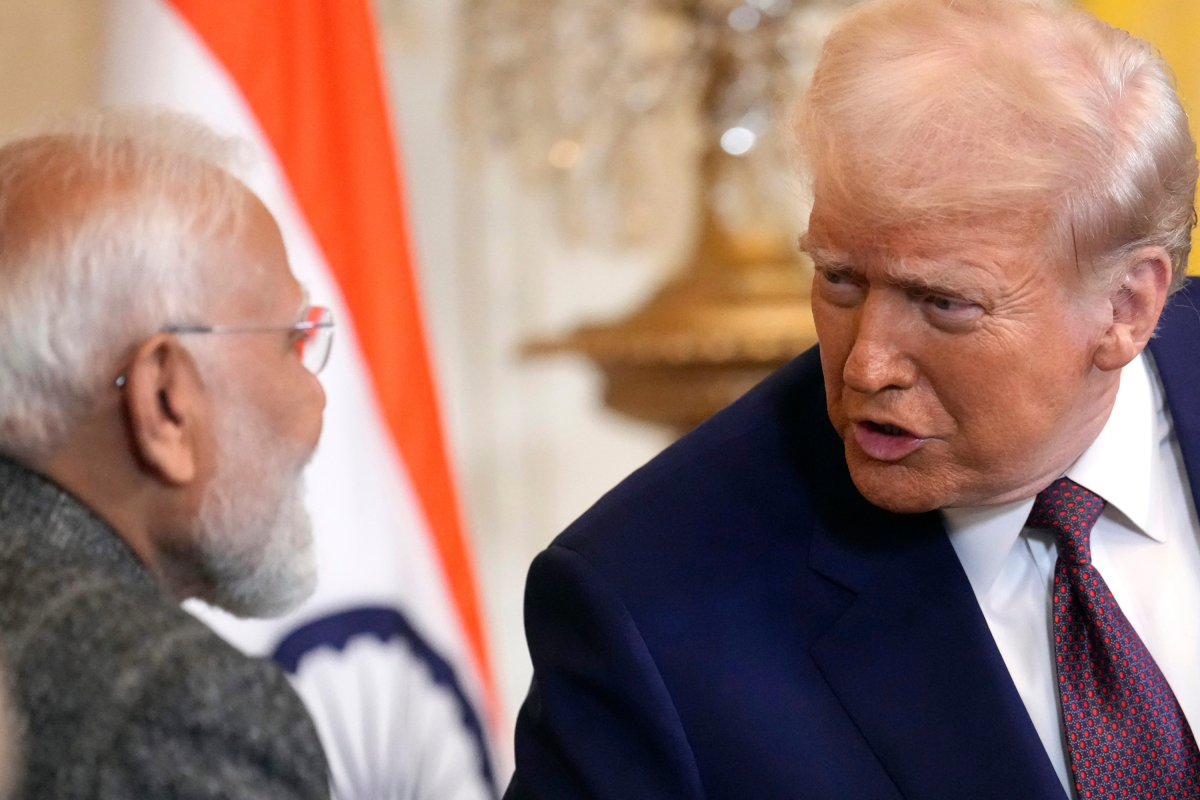
Just a few weeks ago, Trump hailed a game-changing interim deal with India, dialing back U.S. tariffs on Indian goods to 18% from the steeper hikes slapped on last year. In exchange, India promised to tear down barriers on American exports, cut way back on buying Russian oil, and ink massive orders for U.S. goods—billions in agricultural goodies included. It sounded like a home run for trade relations, easing tensions from those recent flare-ups over energy and retaliation. But while the deal touches on everything from energy to tech, buckle up, because the cotton folks are saying, “What about us?” They argue India’s cotton tariff is still a stubborn thorn, untouched despite the progress.
Leading the charge is Texas Representative Jodey Arrington, the House Budget Committee chairman, who’s spearheading a letter to U.S. Trade Representative Jamieson Greer. It’s not just Arrington; it’s a bipartisan shout-out (okay, mostly Republican, but focused on farms) urging the Trump team to make that 11% duty history during the ongoing negotiations. The letter paints a vivid picture: U.S. cotton farmers, battered by inflation’s bite, dwindling demand, and wild weather, could get a lifeline by flooding India’s vast textile market with premium raw materials. Proponents say it’s a win-win—boosting our rural economies and giving India’s booming clothing trade the steady, high-caliber supplies it craves.
Signatories hail from cotton heartland: Texas heavyweights like Michael McCaul and Ronny Jackson, Georgia’s Earl “Buddy” Carter, Arkansas’s Rick Crawford, and more from states where picking cotton isn’t just a job—it’s the lifeblood. These regions churn out a huge chunk of America’s cotton, and lawmakers aren’t shy about noting how expanded access could stabilize incomes and revive communities. Imagine the ripple effect: more jobs in mills, warehouses, and transport, all because one tariff crumbles.
Industry voices are chiming in loud and clear, amplifying the lawmakers’ plea. Buddy Allen from the American Cotton Shippers Association calls it a no-brainer, praising the push to ditch that pesky import duty and open the Indian market wide. Gary Adams of the National Cotton Council echoes this, stressing that amid “enormous financial strains,” new export doors aren’t just nice—they’re urgent lifelines for producers who’ve endured historic setbacks. Their words hit home: this isn’t just politics; it’s about families and futures tied to the soil.
Looking ahead, the trade dance continues as officials fine-tune the interim deal into something bigger, possibly a full U.S.-India framework. Expect agricultural tweaks, like that cotton tariff, to bubble up, driven by congressional pressure and lobbyists. If they succeed, it could mark a turning point, proving that targeted pushes can yield real farm-friendly results in an increasingly interconnected world. For now, though, it’s wait-and-see—fingers crossed that American cotton finally gets its fair shake against global odds. (Word count: 589)