


Water Leak at the Louvre Damages Rare Egyptian Library Collection
In a troubling new setback for one of the world’s most prestigious museums, the Louvre has suffered a significant water leak that damaged hundreds of valuable books in its Egyptian antiquities department library. This incident, occurring just weeks after a high-profile jewelry heist, has raised serious questions about the museum’s infrastructure and maintenance priorities. According to Francis Steinbock, the museum’s deputy administrator, the November leak affected between 300 and 400 scholarly documents, primarily archaeological journals and research volumes dating from the late 19th and early 20th centuries. While the museum has emphasized that no ancient artifacts or “precious books” were damaged, the incident has nonetheless dealt a blow to resources regularly used by Egyptologists and researchers.
The leak, which occurred on November 27th, went undiscovered until water had already seeped through to the floor below, causing what art website La Tribune de l’Art described as “irretrievable” damage to some books and bindings. When staff finally discovered the problem, they implemented emergency conservation measures, individually drying pages and installing dehumidifiers to prevent further deterioration. However, the incident has revealed concerning gaps in the museum’s maintenance procedures. According to multiple reports, the Egyptian antiquities department had previously requested resources to protect its collections from precisely this kind of water damage, but adequate funding was not provided. The Louvre administration has acknowledged the underlying issue was identified earlier, with renovations now scheduled for September of next year – a timeline that many critics argue comes too late for the damaged materials.
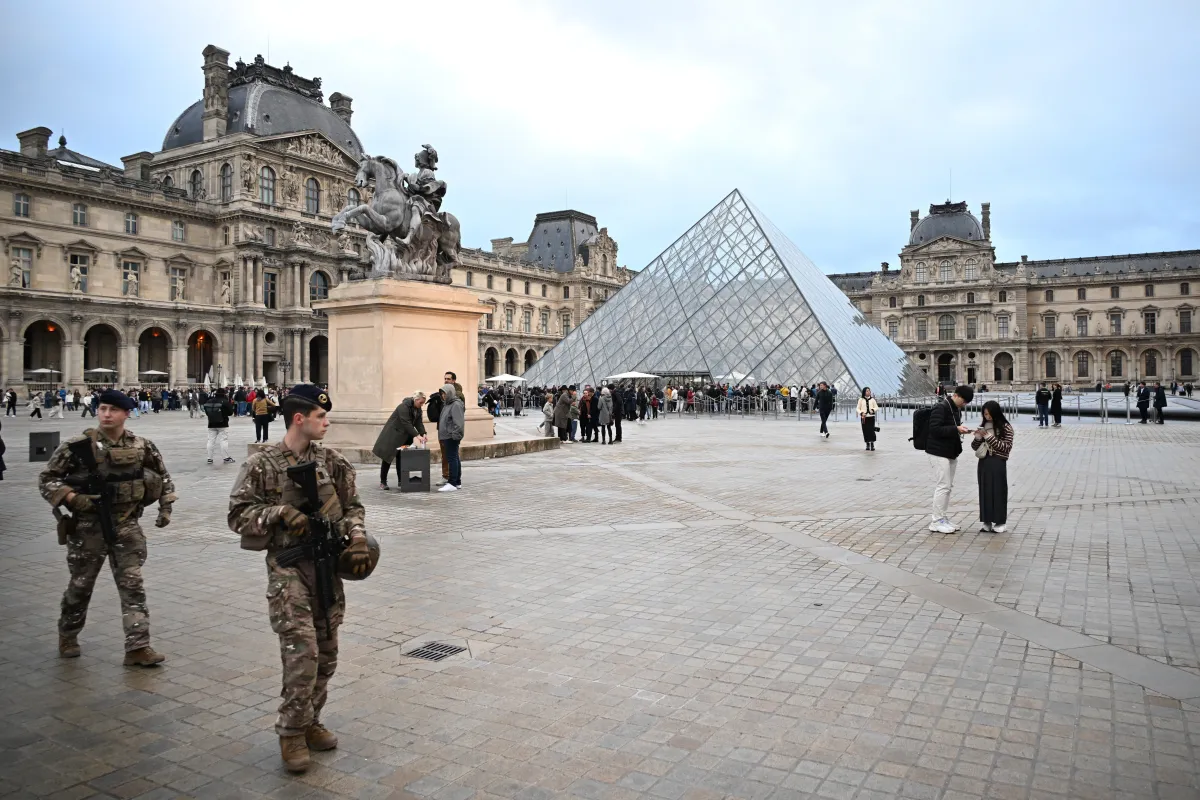
This water leak represents just the latest in a series of troubling incidents affecting the Louvre’s physical infrastructure and security systems. In October, the museum experienced what media outlets described as a “daring jewel heist” when four burglars entered during operating hours and escaped with over $102 million worth of jewelry. More recently, structural weaknesses forced the partial closure of a gallery displaying Greek vases along with adjacent office spaces. These recurring problems point to deeper systemic issues with the museum’s maintenance priorities. Hélène Guichard, director of the Egyptian antiquities department, attempted to reassure the public, telling the New York Times that “no ancient works were affected, and the Louvre’s rapid and efficient response to the incident greatly limited the damage.” However, this statement has done little to quell concerns about what might happen next time if more valuable or irreplaceable items are in harm’s way.
The situation at the Louvre appears to reflect findings from a recent report by France’s public audit body, the Cour des Comptes, which specifically criticized the museum’s “inability to update its infrastructure.” According to this October report, budget pressures have been exacerbated by what auditors described as excessive spending on new artwork acquisitions at the expense of maintaining existing infrastructure. This approach to resource allocation has created vulnerabilities throughout the historic building, with the library leak representing just one manifestation of a potentially more widespread problem. La Tribune de l’Art directly attributed the damage to poor pipe conditions that had been flagged previously but not addressed due to insufficient funding priorities – a claim that seems supported by the museum’s own acknowledgment that renovations were already planned but not yet implemented.
The human dimension of this incident extends beyond the physical damage to books. For scholars, particularly Egyptologists who rely on these specialized resources, the loss represents a significant setback to research capabilities. While Steinbock attempted to downplay the significance of the damaged materials by noting they weren’t “precious books,” the affected volumes represented decades of archaeological knowledge and scholarship that supported ongoing research into ancient Egyptian civilization. Museum staff are now engaged in painstaking conservation efforts, using controlled drying techniques to salvage as much material as possible. The incident has also raised morale concerns among staff who had previously warned about infrastructure risks only to see their concerns validated in such a dramatic fashion. The episode highlights the often invisible but crucial work of preservation that takes place behind the scenes at major cultural institutions – work that requires consistent investment and attention.
Looking ahead, the Louvre faces difficult questions about how to balance its various priorities as both a world-famous tourist destination and a steward of irreplaceable cultural heritage. Budget discussions regarding future infrastructure updates are reportedly ongoing, partly spurred by these recent incidents and critical oversight reports. However, scholars and art professionals have expressed concern that without more proactive investment in repairs and maintenance, future incidents could endanger truly irreplaceable cultural treasures. While the museum continues to welcome millions of visitors annually, maintaining its aging infrastructure presents an increasingly urgent challenge. The water damage to the Egyptian department’s library serves as a sobering reminder of what’s at stake: not just beautiful objects for public display, but the preservation of human knowledge and cultural memory for future generations. As conservation efforts continue for the damaged books, the larger question remains whether this incident will finally prompt the comprehensive infrastructure investments that the museum’s collections – and the global cultural heritage they represent – truly deserve.