





Puka Nacua’s Week of Controversy: Antisemitic Dance and Criticism of Officials
In what can only be described as a challenging week for Los Angeles Rams wide receiver Puka Nacua, two separate incidents have put him in the spotlight for all the wrong reasons. The first involved an appearance on a social media livestream where Nacua was suggested to perform what was later identified as an antisemitic dance as his next touchdown celebration. Unaware of the implications at the time, Nacua’s participation in this moment sparked immediate backlash. To his credit, he quickly issued an apology through his social media channels, explaining that he “had no idea this act was antisemitic in nature and perpetuated harmful stereotypes against the Jewish people.” He went on to express his sincere regret, stating, “I deeply apologize to anyone who was offended by my actions as I do not stand for any form of racism, bigotry or hate of another group of people.” This incident illustrates how even well-intentioned public figures can inadvertently contribute to harmful stereotypes when they don’t recognize the cultural or historical context of certain gestures or actions.
The NFL’s response was swift and unequivocal. In a strongly worded statement, the league condemned all forms of discrimination and derogatory behavior, particularly highlighting concerns about rising antisemitism around the world. “The continuing rise of antisemitism must be addressed across the world, and the NFL will continue to stand with our partners in this fight. Hatred has no place in our sport or society,” the league declared. This response demonstrates the NFL’s commitment to addressing forms of hate and discrimination that affect communities represented among both its fan base and players. While the league did not immediately announce any disciplinary measures against Nacua for this specific incident, the public condemnation indicates the seriousness with which they view such behavior, even when unintentional.
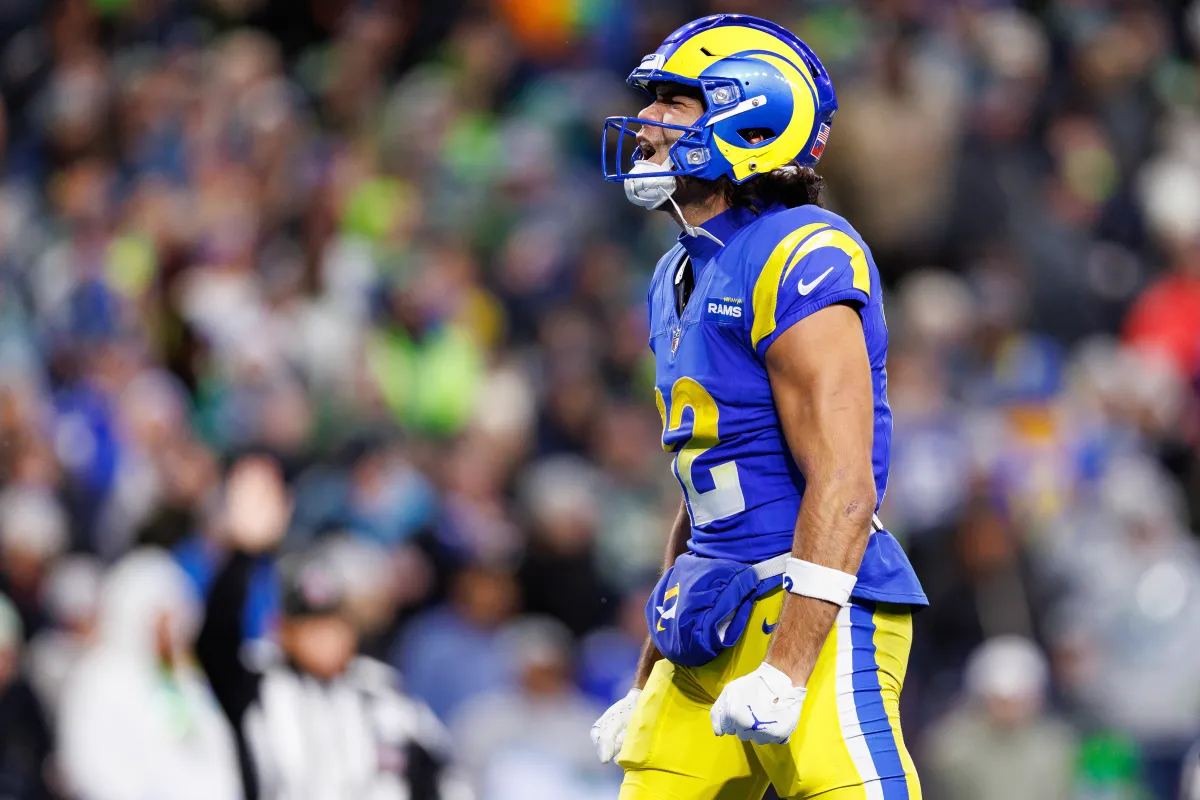
But Nacua’s troubles didn’t end there. During the same livestream, he made disparaging remarks about NFL officials, suggesting they call penalties simply to get television airtime. This comment alone might have been overlooked, but following a heartbreaking 38-37 overtime loss to an unnamed opponent, Nacua doubled down on his criticism of the officiating. Despite his impressive personal performance in the game—12 receptions, 225 yards, and two touchdowns—Nacua took to Twitter with a post that read, “Can you say I was wrong. Appreciate you stripes for your contribution lol.” Though he later deleted this tweet, the damage was done, as public criticism of officials is explicitly prohibited by league rules and typically results in financial penalties.
The NFL has established clear precedent for how it handles public criticism of officials. In December 2023, Kansas City Chiefs quarterback Patrick Mahomes and coach Andy Reid were collectively fined $150,000 for violating NFL rules about public criticism of game officials. Similarly, Houston Texans running back Joe Mixon was initially fined $25,000 for critical comments after a playoff loss to the Chiefs, though this fine was later rescinded. These examples suggest that Nacua could face significant financial penalties for his comments, particularly coming on the heels of his other controversial behavior. The league’s consistent enforcement of these rules underscores their desire to maintain respect for officials and the integrity of the game, even when players feel they have legitimate grievances about calls.
What makes Nacua’s situation particularly noteworthy is the contrast between his on-field excellence and his off-field missteps. As a wide receiver capable of putting up 225 yards and two touchdowns in a single game, Nacua has established himself as one of the league’s most dynamic offensive talents. Yet this week has demonstrated how quickly a player’s public image can shift from celebrated athlete to controversial figure. For young players especially, navigating the intensely public nature of professional sports requires not only athletic skill but also media savvy and cultural awareness. Nacua’s experience serves as a cautionary tale about the responsibilities that come with the platform of being a professional athlete.
As the NFL considers its response to both incidents, the broader conversation about antisemitism in sports and society continues. Nacua’s case highlights the importance of education and awareness among athletes about cultural sensitivities and historical contexts. It also raises questions about the role of social media platforms in amplifying both positive and negative behaviors, and the responsibility of athletes to use their platforms thoughtfully. While Nacua’s apology indicates his remorse and desire to make amends, the coming days will reveal whether the NFL views his statement as sufficient or whether additional consequences will follow. Either way, this week has been a powerful reminder that in the modern NFL, a player’s actions off the field can sometimes overshadow even the most impressive on-field performances, and that the responsibility to represent oneself, one’s team, and the league extends well beyond game day.