

The Unexpected Controversy Surrounding a Beloved Tune
Imagine being a musician whose heartfelt song, crafted during a period of introspection and raw emotion, suddenly gets hijacked for a political agenda you wholeheartedly oppose. That’s the frustrating reality Radiohead found themselves in recently, when the band reacted sharply to the U.S. Immigration and Customs Enforcement (ICE) agency’s use of their 1997 song “Let Down” in a promotional video. The video appeared on social media on February 18, and it wasn’t just any clip—it was a stark montage of images depicting alleged atrocities linked to undocumented immigrants, accompanied by a caption that accused them of tearing apart American families through violence, rape, and murder. For Radiohead, this wasn’t merely an artistic misappropriation; it felt like a personal violation, especially since the song’s themes revolve around disappointment, alienation, and the human struggle with unmet expectations. Lead singer Thom Yorke and the rest of the band—Johnny Greenwood on guitar, Colin Greenwood on bass, Phil Selway on drums, and Ed O’Brien on guitar—have long infused their music with a sense of quiet rebellion against societal norms. “Let Down,” from their iconic album OK Computer, has touched millions, evoking feelings of melancholy and longing in fans worldwide. To see it twisted into propaganda for an immigration crackdown must have stung deeply, reminding them of how music can be weaponized in ways that betray its original spirit. The band’s reaction wasn’t immediate, sparking questions about why they waited to speak out—perhaps they discovered it via fans or media reports—but when they did, it was fiery and unfiltered, demanding the video’s removal with a defiant edge that echoed their anti-establishment ethos in tracks like “Creep” and “Karma Police.”
The Chilling Content of ICE’s Video
Diving into the specifics of the ICE video reveals a grim tapestry designed to evoke fear and urgency. The one-minute clip, posted on the agency’s official account, intersperses graphic images of crime scenes, weeping families, and statistics, all under the haunting melody of “Let Down.” The lyrics, with lines like “Transport, motorways and tram lines, Starting and then stopping, Taking off and landing, The emptiest of feelings,” play ironically against visuals meant to portray immigrants as threats rather than people seeking better lives. The caption reads like a rallying cry: “Thousands of American families have been torn apart because of criminal illegal alien violence. American citizens raped and murdered by those who have no right to be in our country. This is who we fight for. This is our why.” From a human perspective, videos like this tap into deep-seated anxieties about safety and immigration policies that have polarized Americans for decades. For families who’ve lost loved ones to crime, such narratives can feel validating and protective, emphasizing a government’s duty to enforce borders. Yet, critics argue it oversimplifies complex issues, ignoring the socio-economic factors driving migration or the contributions of immigrants to the economy. Humanizing this means considering the faces behind the stories: a grieving mother in the video might represent real loss, while the immigrants depicted could include dreamers who arrived as children, built communities, or escaped violence in their home countries. The use of Radiohead’s song adds a layer of emotional dissonance—it’s not upbeat propaganda; it’s a downtempo anthem of disillusionment, making the pairing feel tone-deaf and manipulative, as if borrowing a personal lament to amplify a political vendetta.
Radiohead’s Fiery Response and Demand
When Radiohead finally broke their silence, they did so with characteristic bluntness, blasting the ICE administration in a statement that captured the indignation of artists whose work has been co-opted without consent. Through a spokesperson, they demanded the video’s immediate removal, calling out the “amateurs in control of the ICE social media account” and declaring, “It ain’t funny, this song means a lot to us and other people, and you don’t get to appropriate it without a fight. Also, go f*** yourselves… Radiohead.” This wasn’t just about copyright; it was a visceral rejection of ICE’s agenda, especially under the Trump administration, which ramped up immigration enforcement with policies like family separations at the border. The spokesperson underscored that the use was unauthorized, a point Variety confirmed, highlighting the band’s resolve. Humanizing Radiohead’s fury involves picturing the creative minds behind the music—often introspective souls who pour their vulnerabilities into art—seeing it commodified for hate. Fans relate, recalling how “Let Down” has consoled them through breakups, job losses, and existential crises; a dad might play it for his son during tough times, a teenager during teenage angst. To hijack such a song for divisive propaganda feels like stealing a piece of personal history from millions. The band’s phrasing, with its expletive-laden punch, mirrors their indie-rock roots, where rebellion against authority is a motif, from their anti-corporate stances to Yorke’s activism on climate change. This incident has energized their fanbase, turning social media into a digital protest hub, where supporters echo the sentiment that music should unite, not divide.
The Deeper Resonance of “Let Down” in Fans’ Lives
To fully grasp why this controversy matters, it helps to understand “Let Down” beyond the news headlines—it’s a song that has become a cultural touchstone for emotional authenticity. Written by Yorke during a period of inner turmoil and society’s rapid change, the track’s minimalist arrangement, featuring a delicate acoustic guitar intro giving way to a driving rhythm and Yorke’s weary vocals, captures a universal sense of letdown, from failed relationships to unfulfilled promises in life. David Gray, who mixed OK Computer, has spoken about how the band’s process involved channeling raw feelings into music that resonated globally. For humans worldwide, “Let Down” has been a soundtrack to personal journeys: a soldier returning from war finding peace in its melancholic chords, a student grappling with imposter syndrome humming its verses, or couples using it to express unspoken regrets. Its popularity at festivals, in playlists, and even in films like Donnie Darko underscores its emotional depth. Humanizing this means acknowledging the song’s role in therapy-like settings—many fans credit it with helping them process grief or uncertainty. When ICE repurposed it, it wasn’t just about permission; it risked tarnishing this legacy, turning a balm into a tool for fear-mongering. The band’s late response might stem from discretion or oversight, but once aware, they acted decisively, aligning with their history of not shying from controversy, like suing Napster for piracy or boycotting studios that aided illegal downloads. This episode invites reflection on how art evolves: fans now reinterpret “Let Down” through this lens, seeing it as a reminder that even anthems of despair can spark resilience and pushback against misuse.
The Broader Context of Immigration Debates and ICE’s Role
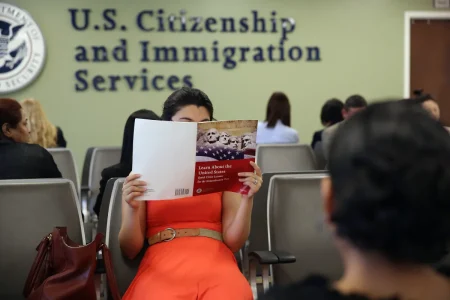
Zooming out, this dispute unfolds against the fraught backdrop of U.S. immigration policy, where ICE embodies the enforcement arm of debates that have polarized the nation since Trump’s 2017 executive orders. Under his administration, ICE intensified raids, built more detention centers, and implemented policies like the Muslim ban and family separations, drawing ire from human rights groups and defenders of asylum seekers. Videos like this fit into a narrative of tough-on-crime rhetoric, often supported by statistics showing crime rates among certain immigrant groups, but criticized for selective data that ignores broader contexts, such as socioeconomic disparities or the success stories of millions of assimilated immigrants contributing to innovation and culture. Humanizing ICE’s perspective involves considering the agents on the ground—many are former military personnel or locals motivated by a desire to protect communities they’ve sworn to safeguard. A border patrol officer might share stories of rescues or apprehensions that shaped their view of the job as saving lives from cartels and traffickers. Conversely, opponents highlight human costs: the trauma of separations, where children are ripped from parents, or the dreams deferred of families seeking refuge from violence in places like Honduras or Syria. Radiohead’s involvement amplifies these tensions, bridging arts and politics; bands like U2 and Bruce Springsteen have similarly protested political uses of their music. As Newsweek sought comment from the Department of Homeland Security, the developing story underscores how cultural clashes can escalate tensions, potentially influencing public opinion and even ballot boxes in an election year.
Potential Fallout and Lessons for the Future
Looking ahead, this incident could ripple into various outcomes, from legal battles over copyright infringement to shifts in public discourse on art and activism. Radiohead’s demand for removal forces ICE to reckon with artistic pushback, possibly leading to an apology or takedown, though their response remains pending as of this report. In the meantime, fans and commentators are debating the ethics of using music without consent, with some defending freedom of expression while others decry it as moral theft. Humanizing this means envisioning real-world impacts: for the band, it might inspire new work critiquing authority; for admirers, it could deepen their connection, turning passive listening into activist listening. On a societal level, it highlights how immigration stories need balance—pairs of separated families unite online, sharing hopes for reunions, while immigrant entrepreneurs credit America with opportunities amid the divides. Lessons emerge for creators: proactive protections, like watermarks or licensing strictures, could prevent future hijackings. For policymakers, it underscores listening to voices from all sides, fostering empathy over division. As updates unfold, this story reminds us that music and policy intersect in profound ways, shaping not just culture, but the human experience itself. Radiohead’s stance stands as a testament to art’s power to challenge, unite, and demand accountability in an increasingly noisy world.