



Rising Property Taxes Strain Pennsylvania Homeowners as Counties Face Budget Shortfalls
Homeowners across several Pennsylvania counties are bracing for potentially significant property tax increases in the coming year, as local authorities grapple with inflation, rising healthcare costs, and budget deficits. These proposed hikes, which range from 10% to a staggering 30% in Pittsburgh, come at a particularly challenging time for homeowners already burdened by elevated insurance premiums, HOA fees, and higher borrowing costs. The situation in Pennsylvania reflects a broader national trend, with property taxes having surged by 30% nationwide between 2019 and 2024 according to the Institute on Taxation and Economic Policy. This dramatic rise has been fueled by a perfect storm of increased housing demand coupled with limited supply, creating a housing market that has driven up property values and, consequently, the tax bills that accompany them.
Pennsylvania homeowners already shoulder property tax burdens that exceed the national average. The typical Pennsylvania property owner pays approximately $7,045 annually in property taxes, representing an effective tax rate of 1.409%, significantly higher than the national average of $4,495 or 0.899%. This burden varies substantially across the state, with effective county-level property tax rates ranging from 0.83% to 2.05%. Now, several counties are contemplating further increases: Dauphin County residents may face a 15% hike, York County is considering a 14% increase, and Lancaster County is looking at a 10% rise. The most dramatic proposals come from Delaware County, which is weighing a 19% increase to generate $268 million in revenue to address its structural deficit, and Pittsburgh, where a massive 30% property tax increase is on the table as what City Councilor Barbara Warwick describes as “the only way to close the budget’s gap.”
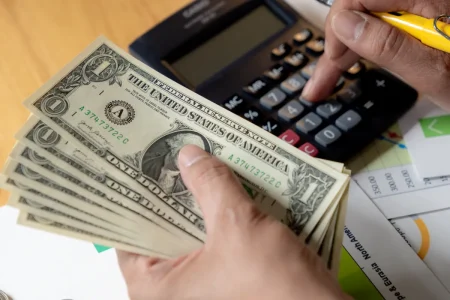
For everyday homeowners, these increases translate to meaningful financial impacts. In Pittsburgh, for instance, the proposed 30% hike would cost the owner of a $100,000 home an additional $242 annually, or just over $20 more each month. While this amount might seem manageable when broken down monthly, it represents yet another financial burden for families already stretching their budgets to accommodate rising costs across multiple fronts. The cumulative effect of these increases, especially when layered on top of previous tax hikes implemented just last year in many of these same counties, threatens to create substantial hardship for fixed-income residents, young families, and those already struggling to maintain homeownership in an increasingly expensive housing market.
County officials defend these proposed increases as necessary evils in the face of mounting fiscal pressures. Kyle Kopko, executive director of the County Commissioners Association of Pennsylvania, explained the difficult position counties find themselves in: “Just because of all these different factors coming together at just the right time, I think many counties really see no other alternative.” Among those factors, rising healthcare costs stand out as particularly problematic, with Kopko noting that “Prescription drugs are really what we’re hearing is one of the largest drivers of that increase in health care premiums.” The aging workforce across Pennsylvania is exacerbating these healthcare expenditures, creating budget shortfalls that counties must address either through service cuts or revenue increases. When faced with this dilemma, many local officials are reluctant to cut services that residents depend on, leaving tax increases as “the next line of defense.”
In Pittsburgh, where the most dramatic increase is being considered, the justification centers on the city’s 11-year streak without a property tax hike. Councilor Warwick framed the issue as one of responsibility and sustainability: “Times are tough for everyone right now, but after 11 years without a tax increase, the city needs additional revenue in order to keep providing the core services that our residents deserve and depend on. It is our responsibility to fill these budgetary gaps without cutting the things that make Pittsburgh such a special place to live.” However, not all city officials share this perspective. Councilor Anthony Coghill expressed skepticism about the proposed increase, highlighting the contradiction between investing in affordable housing while simultaneously making homeownership more expensive: “I’m not a fan [of the tax hike]. We’ve dumped hundreds of millions of dollars into affordable housing, and then we’re going to raise taxes? That will make the city less affordable.”
The property tax situation in Pennsylvania reflects a broader national tension between maintaining essential public services and keeping homeownership affordable. While GOP-led states across the country are considering significant property tax reductions or even elimination, Pennsylvania counties are moving in the opposite direction, prioritizing revenue generation to sustain local government operations. This approach raises important questions about long-term fiscal sustainability and housing affordability. As these proposed tax increases move through the approval process, Pennsylvania homeowners find themselves at a crossroads, weighing their desire for quality local services against their ability to absorb continually rising housing costs. For many, especially those on fixed incomes or struggling with other economic pressures, these tax hikes may indeed represent “the final straw” that makes homeownership unsustainable, potentially forcing difficult decisions about whether they can afford to remain in their communities.