




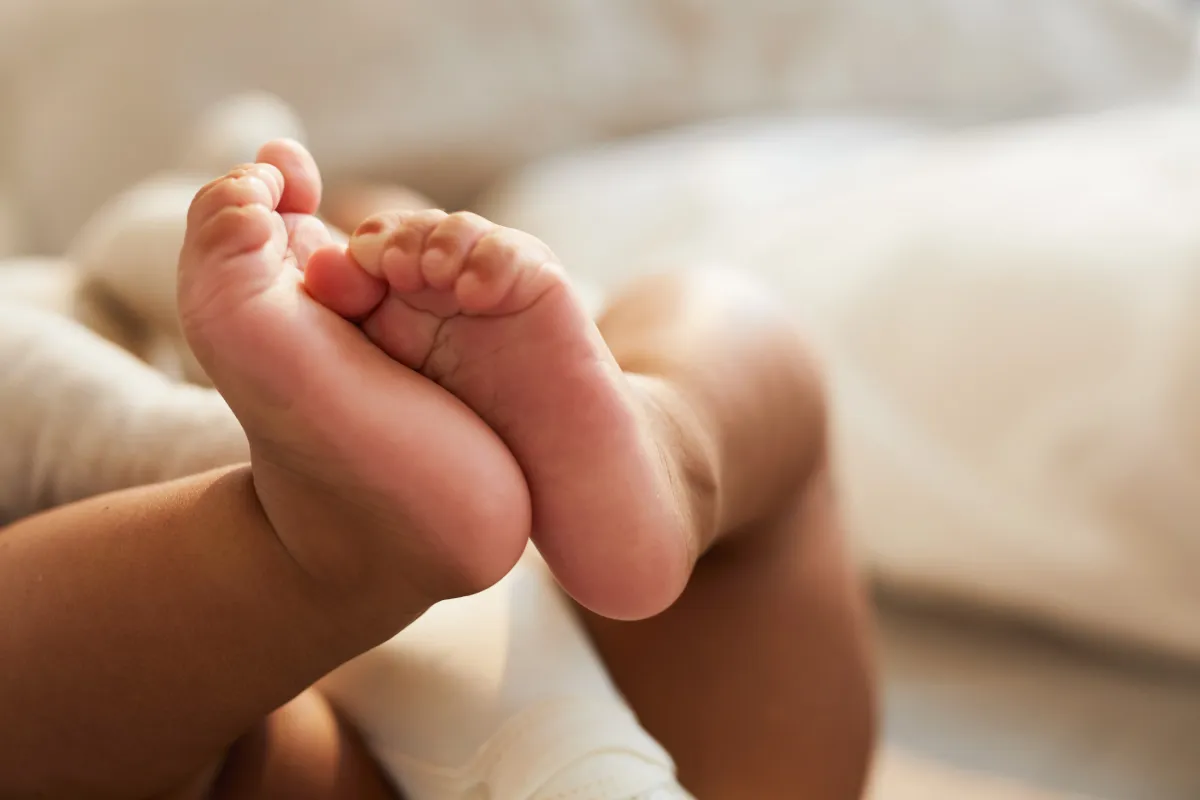
Alaska’s latest legislative effort aims to provide a lifeline for desperate parents and their newborns, introducing a compassionate yet controversial system known as “baby boxes.” Imagine a young mother or father, grappling with overwhelming shame, fear, or desperation, unable to seek help in person due to the judgment they anticipate from others. Under a bill that recently passed the Alaska Senate with an 18-2 vote on March 31, these parents could soon anonymously place their infant in a secure, climate-controlled box attached to the outside of hospitals or fire stations. This device would shield the baby from the harsh elements while alerting medical professionals inside to retrieve the child safely. Lawmakers, led by Senator Robert Myers of North Pole, argue that this expansion of Alaska’s safe-surrender law could save countless lives by removing barriers that prevent parents from relinquishing newborns legally. The bill doesn’t require any direct interaction with people, ensuring anonymity and potentially averting tragedies like the infant abandonments that have haunted the state in recent years. For families in crisis, this feels like a quiet act of mercy, a way to protect a child without sacrificing dignity or facing prosecution. It’s rooted in the belief that every life, no matter the circumstances of its start, deserves a chance at safety and adoption. As discussions unfold in the legislature, supporters hope this thoughtful approach addresses real human struggles, turning potential heartache into opportunities for new beginnings. The bill clears a major hurdle, reflecting a growing recognition that sometimes, the most profound acts of care involve giving space for secrecy when judgment feels too overwhelming.
Diving deeper into why this legislation matters, it’s impossible not to feel the weight of the stories it seeks to prevent. Alaska, with its vast, unforgiving landscapes and extreme weather, has seen heartbreaking cases of infant abandonment that underscore the need for such alternatives. Since 2013, three babies have been abandoned statewide, highlighting the tragic consequences of parents feeling trapped by fear, shame, or the risk of recognition. One child was discovered alive in Fairbanks in 2021, miraculously surviving subzero temperatures—a testament to human resilience but also a stark reminder of the dangers babies face when left to the elements. Tragically, two others—one in Eagle River in 2013 and one in Anchorage in 2024—were found dead, their fragile lives cut short in moments of desperation. Senator Myers, the bill’s sponsor, shares personal reflections on these incidents, emphasizing how anonymity could have made the difference. For parents in rural areas or those grappling with personal crises, interacting with authorities face-to-face feels impossible, even when legal protections exist for surrendering babies up to 21 days old. This bill imagines a world where no child perishes simply because their parent is terrified of being judged or identified. It’s about empathy for the unseen struggles many families endure, preventing irreversible harm by offering a discreet path to safety. Adoptee advocates might worry about lost histories, but for lawmakers like Myers, the priority is clear: safeguarding life first and foremost. This legislative push feels deeply human, born from a place of wanting to heal wounds before they deepen, ensuring that fear doesn’t extinguish precious futures.
Understanding the mechanics of this proposal reveals a carefully designed system that balances innovation with protection. Currently, Alaska law allows parents to legally surrender infants under 21 days old to a healthcare professional, firefighter, or police officer without facing criminal charges—a commendable step forward for crisis situations. The new bill builds on this by introducing baby boxes as an additional, low-barrier option. These devices, embedded into the exterior walls of approved facilities like hospitals or fire stations, are engineered for reassurance: they’re temperature-controlled to shield babies from Alaska’s punishing cold, equipped with internal surveillance for security, and activated seamlessly. Picture this: a parent opens the box’s exterior door, places the newborn inside with any accompanying notes, and closes it. An automatic lock engages, followed by a brief delay before an alarm sounds inside, notifying responders to retrieve the child from an interior access point safely. Anonymity is paramount, addressing the core fears that drive some to abandon babies instead of seeking help. This approach resonates with stories of individuals who might otherwise hide their struggles, fearing stigma from family, community, or authorities. Supporters describe it as a lifeline that preserves dignity, allowing parents to act on their protective instincts without exposure. In a state where isolation is common, especially in remote areas, this could democratize access to safe surrender, bridging gaps for those who can’t reach emergency services in time. By expanding options without discarding in-person methods, the bill fosters inclusivity, humanizing a system that acknowledges the diverse circumstances people face during parenthood’s darkest hours.
Yet, the proposal isn’t without its critics, who voice heartfelt concerns from perspectives that prioritize long-term well-being and informed consent. Adoptee advocacy groups, including those from outside Alaska, have submitted testimonies highlighting potential downsides, arguing that the secrecy of baby boxes might rob children of vital information about their origins—such as medical histories, genetic details, or cultural identities—that could shape their lives and health decisions later on. This raises poignant questions about the ethics of anonymity in adoption processes, where knowing one’s roots can offer a sense of belonging and aid in medical treatments. Senator Löki Tobin, an Anchorage Democrat who voted against the bill, expressed deep reservations during debates, pointing out that eliminating person-to-person interaction could undermine true informed consent. For instance, a coerced parent or one unaware of resources for support might surrender a child without fully grasping alternatives, leaving non-surrendering partners—such as fathers or other family members—in the dark and without recourse. Tobin’s stance reflects a protective instinct, worrying that this method might inadvertently complicate family dynamics or enable abandonment over resolution. These opposing views add layers of complexity, reminding us that saving lives must include ethical considerations to avoid creating new forms of harm. As the bill progresses, it’s clear that humanizing the conversation means weighing immediate safety against the profound needs for connection and knowledge that adoptees often crave.
Voices from across the political spectrum illuminate the emotional core of this debate, showcasing diverse experiences and priorities. Senator Myers, a Republican driving the measure, passionately shared, “No child should die because a parent is afraid,” a sentiment echoed in media reports that capture his relief at Senate passage and optimism for House approval. His words convey a relentless focus on prevention, rooted in real tragedies like the abandoned babies found in Fairbanks and elsewhere. Myers envisions baby boxes as a compassionate bridge, honoring parental crises with privacy to ensure children thrive under care. On the other hand, Senator Tobin countered with, “It is our responsibility to pass law rooted in sound public policy supported by evidence. Baby boxes are not that,” underscoring her skepticism of unproven methods that might prioritize secrecy over accountability. The Senate Republican Caucus amplified the human angle in a statement, declaring pride in “protecting babies and providing a safeguard for struggling families facing potential shame, fear, and recognition during a time of crisis. All lives are precious, and SB 9 ensures children are surrendered with dignity and care.” This collective testimony humanizes the stakes, blending personal convictions with policy, where supporters see hope in innovation and detractors demand evidence-based safeguards. These perspectives invite reflection on how laws can both heal and hinder, depending on the lens through which we view vulnerability and responsibility.
Looking ahead, the journey of this bill underscores the ongoing dialogue in Alaska about protecting the most vulnerable. With Senate approval secured, the measure now heads to the Alaska House for deliberation, where lawmakers will weigh its merits against concerns. If passed and signed into law, baby boxes could transform facilities into beacons of hope, expanding Alaska’s safe-surrender framework without replacing in-person options. The focus remains on infants 21 days or younger, maintaining the safeguards against abuse while offering flexibility. This evolution might inspire similar initiatives across the U.S., but in Alaska, it’s tailored to a landscape where weather and isolation amplify risks. As debates continue, it’s worth pondering the broader implications: does fear sometimes trump connection in the quest to save lives? For families contemplating this path, the law promises reassurance that anonymity won’t erase agency entirely. Ultimately, the legislation embodies a human desire for redemption, where mistakes can lead to second chances, and where empathy bridges gaps that shame once widened. In the end, whether you support or oppose it, this bill invites us to confront the raw realities of parenthood’s pressures, fostering a society that values life over judgment. As the House considers its next steps, the hope is for a resolution that honors every parent’s story, ensuring no child is left in the cold of isolation.