



Padres Make Bold Move to Keep Michael King with Innovative Contract Structure
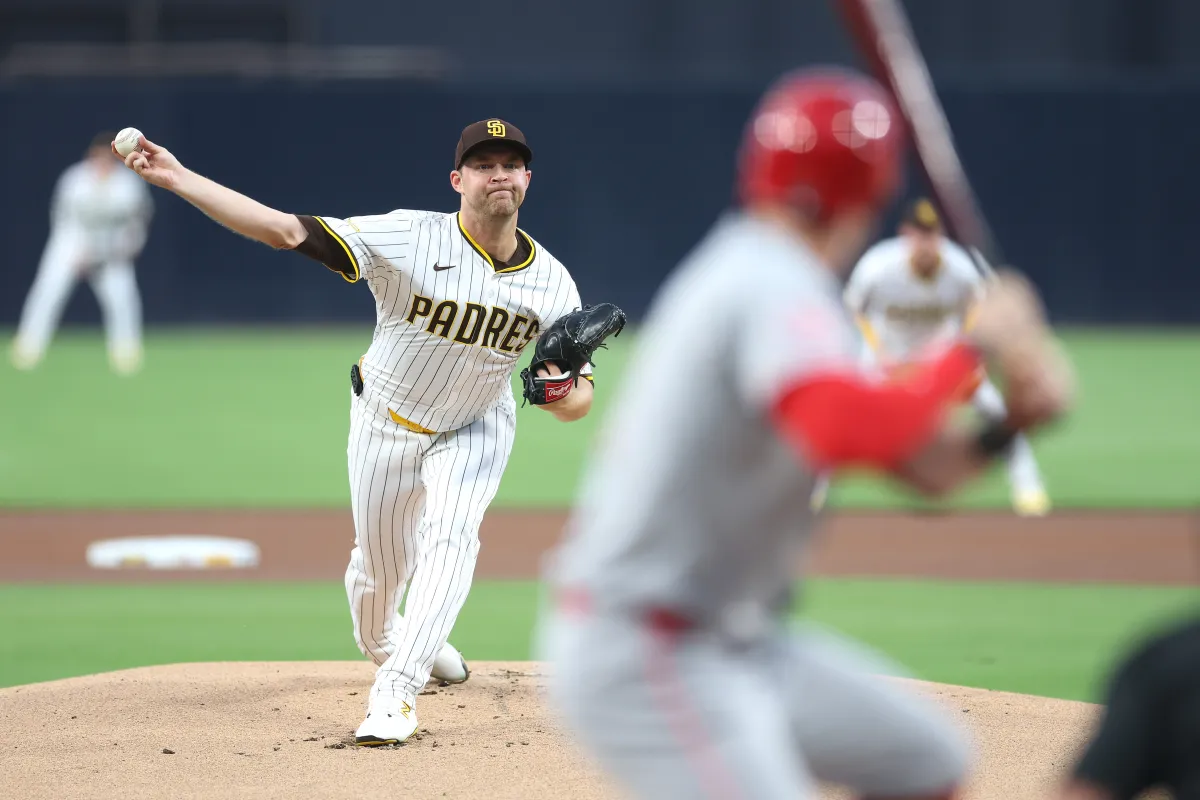
In a surprising turn of events, the San Diego Padres have secured starting pitcher Michael King on a three-year, $75 million contract, defying widespread expectations about their financial constraints. The deal came to light just as rumors were intensifying that King—widely regarded as the top pitcher in the second tier of free agents this offseason—was on the verge of signing elsewhere. The timing of this agreement has sent ripples throughout the baseball community, particularly given the Padres’ recent history of budget tightening and their ongoing ownership power struggles. When many expected King to land with one of the American League East powerhouses, the Padres’ ability to retain him represents a significant commitment to maintaining competitive pitching talent.
The contract structure reveals the creative financial engineering that made this deal possible for San Diego. As reported by MLB.com’s Mark Feinsand, King’s agreement follows the increasingly popular “pillow contract” model, featuring player options for 2027 and 2028. The breakdown includes a $12 million signing bonus paired with just a $5 million salary for the upcoming season—creating immediate luxury tax relief for the club. Looking ahead, King would earn $28 million in 2027 and $30 million in 2028 if he exercises his options, with the first option carrying a $5 million buyout. This approach bears striking similarity to the structure the team used with Nick Pivetta last winter, suggesting a consistent strategy by Padres management to defer larger financial commitments while maintaining roster strength. The completed physical examination confirms the deal’s finality, removing any lingering uncertainty.
Until this announcement, the baseball world had been primed for a different outcome. Peter Abraham of the Boston Globe had recently portrayed King’s market as a three-way competition among AL East titans—the Baltimore Orioles, Boston Red Sox, and New York Yankees. The report correctly anticipated King’s desire to make a prompt decision, but few expected that decision would lead him back to San Diego. This development carries particular significance considering King’s history with the Yankees, where he had shown flashes of excellence before coming to the Padres as part of the Juan Soto trade. After arriving in San Diego, King emphatically demonstrated his value as a frontline starter, posting impressive numbers that substantially elevated his market value and making his retention all the more remarkable.
The ripple effects of King’s signing will likely impact other Padres pitchers, most notably Nick Pivetta. Already the subject of trade speculation, Pivetta now appears even more likely to be dealt as the team reconfigures its rotation and payroll. His salary jump from $4 million this season to $19 million next year makes him a prime candidate for movement, especially with King now secured in the rotation. The Padres’ front office faces the complex challenge of balancing competitive aspirations against financial realities, suggesting that while King’s signing represents a commitment to winning, it may necessitate other difficult roster decisions in the near future. The team’s willingness to make this substantial investment in King indicates they view him as an essential component of their starting rotation moving forward.
For King personally, this contract represents both security and opportunity. The structure gives him guaranteed money now while preserving his ability to re-enter the market sooner rather than later if he continues to perform at a high level. At 29 years old, King finds himself in an ideal position—he’s secured a significant payday while maintaining the flexibility to potentially secure another major contract in his early thirties if his performance warrants it. The player options essentially function as leverage, allowing him to capitalize on continued success or providing security if challenges arise. This balanced approach to contract negotiation reflects the increasingly sophisticated strategies employed by players and their representatives in today’s baseball marketplace.
While the Padres have resolved one significant question by retaining King, their offseason work appears far from complete. This signing should be viewed as just one piece of a larger puzzle that will continue to evolve as the winter progresses. The team still faces questions about overall payroll constraints, the potential movement of other players, and how to best position themselves for competitive success in the coming seasons. Meanwhile, other teams that had pursued King must now pivot to alternative pitching options, potentially accelerating activity throughout the free agent and trade markets. As noted in connection with the Blue Jays’ acquisition of a potential backup for Alejandro Kirk, the broader offseason chess match continues across Major League Baseball, with the Padres having made a significant and somewhat unexpected move in securing Michael King’s services for the foreseeable future.