



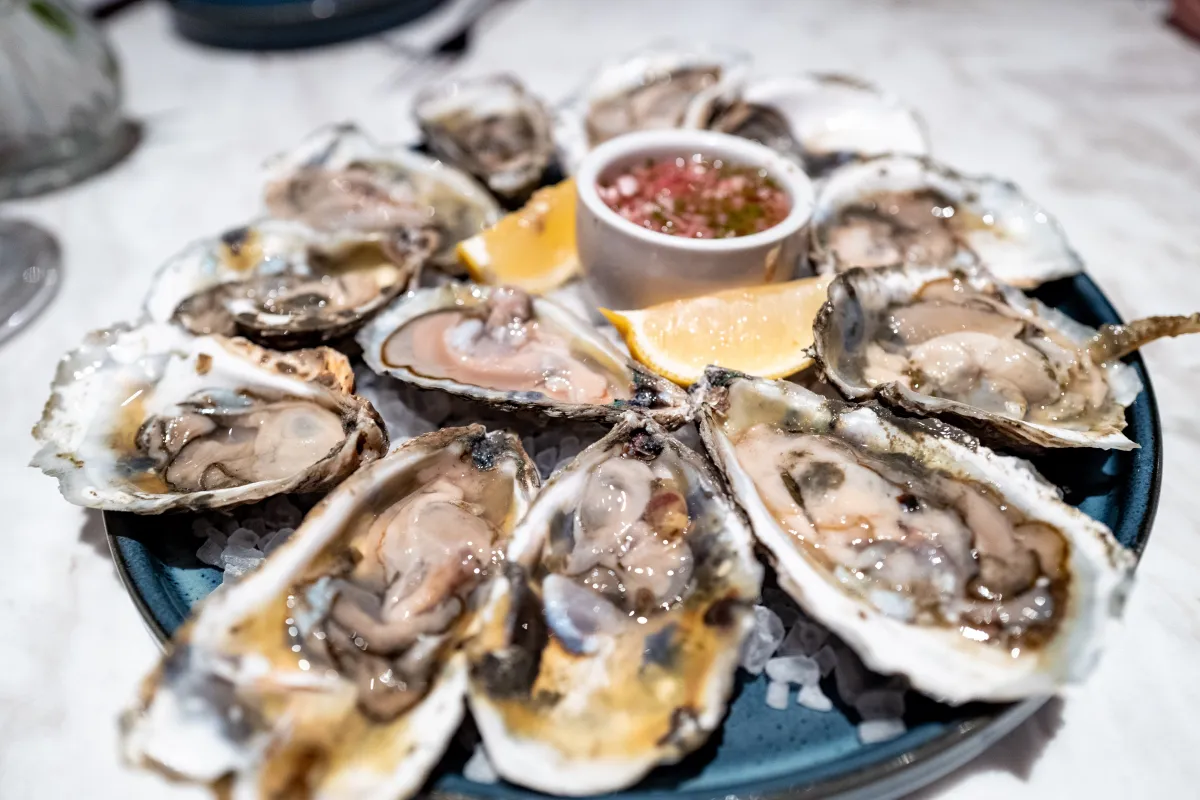
Restaurants and food retailers across nine states are on high alert after a concerning recall was issued for certain raw oysters and Manila clams that could lead to serious illness. Imagine sitting down to enjoy a fresh seafood meal at your favorite coastal spot only to hear that the main ingredient might carry a hidden danger—it’s the kind of unsettling news that hits home for anyone who loves sushi, ceviche, or a simple oyster appetizer. The Food and Drug Administration (FDA) stepped in swiftly, advising everyone not to serve, sell, or consume these specific shellfish harvested from Drayton Harbor in Washington state. The recall stems from a troubling cluster of illnesses that officials linked directly to raw shellfish, reminding us all how something as harmless-looking as a glistening oyster can harbor serious risks. This isn’t just a bureaucratic announcement; it’s a real-world cautionary tale about food safety in an industry that thrives on trust and freshness. People who might have recently savored those oysters or clams—perhaps during a celebration, a date night, or just a casual treat—are now rethinking their meals, and the FDA’s stern warning to immediately halt sales and dispose of the products underscores the urgency. It’s a situation that affects everyday consumers, from families planning weekend dinners to restaurant owners who pride themselves on quality ingredients, and it highlights how interconnected our food supply chain really is. No one wants to picture loved ones falling ill, especially when prevention seems so straightforward—just avoid eating the affected items. As the recall unfolds, it’s sparking conversations about transparency in how we source and enjoy our seafood, and it’s pushing folks to pay closer attention to where their food comes from. For those whose livelihoods depend on serving shellfish, this might mean disruptions to their operations and a rush to implement new hygiene protocols, but it’s all in the name of protecting public health. The FDA’s involvement shines a light on the broader challenges of ensuring safe consumption, especially with perishable goods like shellfish that travel across state lines. While most people might recover quickly from such illnesses, the potential severity for vulnerable groups, like the elderly or those with compromised immune systems, is a stark reminder that food recalls aren’t just guidelines—they’re lifelines. This recall serves as an eye-opener, encouraging everyone to stay informed and vigilant, turning what could be a panic into an opportunity for better awareness in our communities.
Diving deeper into the specifics, this recall zeroes in on raw oysters from the Drayton Harbor Oyster Company and Manila clams from the Lummi Indian Business Council, all harvested between February 13 and March 3 from the pristine waters of Drayton Harbor. These weren’t random batches; they were pinpointed after health officials connected the dots between reported illnesses and consumption of raw shellfish. The oysters stayed local within Washington, but the clams ventured out, making their way to Arizona, California, Florida, Georgia, Illinois, Nevada, New York, Oregon, and Washington—nine states where restaurants and retailers unknowingly received potentially contaminated stock. Picture the scenes in bustling markets and cozy eateries in these regions: chefs prepping specials with these clams, diners ordering them raw on half-shell platters, and then the sudden halt as the FDA’s advisory rippled through the supply chain. It’s a logistical headache for distributors and sellers, who now have to track down every affected item, from wholesale shipments to individual procurements, ensuring nothing slips through. For local communities, especially in places like Seattle or San Francisco where seafood is a staple, this feels personal—it’s about that favorite spot down the street that might have been serving these clams without realizing the lurking threat. The Lummi Indian Business Council, deeply rooted in tribal heritage and sustainable practices, must now grapple with the fallout, perhaps reviewing their harvesting processes to prevent future scares. Consumers in these states are revising their shopping lists, double-checking labels, and even asking pointed questions at counters, fostering a culture of inquiry that’s long overdue. This distribution pattern exposes the vulnerabilities of our food ecosystem, where a single source can impact so many, urging better traceability and communication between harvesters, suppliers, and end-users. Ultimately, it’s a call to action for greater collaboration across states, ensuring that what ends up on our plates prioritizes safety over convenience.
The heart of the concern lies in norovirus, the culprit behind this recall, a highly contagious virus that’s infamous for turning meals into misery. Norovirus isn’t picky—it lurks in contaminated water and shellfish, spreading easily through undercooked or raw consumption, and it’s the leading cause of foodborne outbreaks worldwide. People often think of it as the “stomach flu,” but it’s far from mild for everyone; while most bounce back with rest and fluids, it can escalate into potentially severe illness, leaving individuals drained, dehydrated, and bedridden. Those with weakened immune systems, like cancer patients, the elderly, or young children, face the highest stakes, where complications could mean hospital visits or worse. It’s the kind of illness that doesn’t discriminate, affecting healthy adults during a work trip or retirees on a vacation, stripping away the joy of travel or everyday routines. The FDA emphasizes that these oysters and clams might appear perfectly normal—shiny, fresh-smelling, and tasting just right—tricking unsuspecting eaters into thinking everything’s fine. This invisibility amplifies the fear, making routine seafood indulgence feel risky and prompting folks to question how they can truly trust their senses. Behind every case is a person recounting their last meal, piecing together symptoms that started subtly but snowballed, reinforcing why public health warnings matter. Norovirus reminds us of the unseen battles in our world, where something as simple as a bite can trigger a chain reaction, and it’s pushing families to adopt stricter home practices, like cooking shellfish thoroughly or avoiding raw varieties altogether. In a society that values fresh, unprocessed foods, this recall challenges that balance, encouraging education on viruses that thrive in seafood. Overall, it’s a wakeup call to respect the power of nature’s tiny invaders, fostering empathy for those impacted and a collective drive toward safer eating habits.
Zooming in on the symptoms, norovirus paints a vivid picture of discomfort that most people thankfully outrun, but not before enduring a rough patch. Typically kicking in 12 to 48 hours after exposure—maybe right after that seafood feast—the virus unleashes a barrage that includes explosive diarrhea, relentless vomiting, queasy nausea, sharp stomach pains, lingering fevers, throbbing headaches, and aching muscles that make even getting out of bed a chore. These aren’t mere inconveniences; they can turn daily life upside down, leaving you dehydrated and weak, especially if you can’t keep fluids down. For parents, it’s the helplessness of watching a child suffer through the night; for professionals, it means missed meetings and lost productivity; for anyone in recovery from another ailment, it could exacerbate existing challenges. The Centers for Disease Control and Prevention notes that while symptoms fade in one to three days for most, severe cases demand medical intervention—think IV fluids or medications to manage complications like kidney strain. Dehydration is the stealthy enemy here, creeping up and striking hardest in hot climates or during busy seasons, and it underscores why vigilance with vulnerable groups is crucial. Consumers who ate the affected shells might be connecting their dots now, noting that initial “off” feeling that spiraled, and it’s sparking conversations about when to seek help. Restaurants might see a dip in clientele as word spreads, but this transparency builds trust in the long run. Humanizing this means acknowledging the real fear and fatigue it induces, turning statistical risks into stories of resilience, where people rally with home remedies and support to weather the storm. It’s a reminder that illness, however common, affects us individually, pushing for preventive measures like hand hygiene and food preparation etiquette to shield ourselves and our communities.
With the recall in motion, clear guidance is emerging for consumers and businesses to protect themselves and others. The FDA bluntly advises against eating the implicated raw oysters or Manila clams, urging anyone with them to toss them immediately—no lingering hope of cooking them out will do. For restaurants and retailers, it’s a race against time: stop serving, pull products from shelves, and dive into thorough cleaning of every surface, container, or utensil that touched the shellfish to curb cross-contamination, a sneaky threat that could spread the virus further. Businesses are reaching out to their networks, perhaps rearranging menus or offering alternatives to appease regulars, all while following the Interstate Shellfish Sanitation Conference’s lead in notifying affected outlets. Consumers feeling under the weather with those telltale symptoms after indulging in oysters or clams should reach out to their healthcare providers without delay and alert local health departments to aid tracking. It’s about taking personal responsibility—washing hands obsessively, sanitizing kitchens, and educating friends and family on the dos and don’ts. Small acts, like opting for cooked shellfish or sourcing from verified suppliers, can make a big difference. This isn’t finger-pointing; it’s empowerment, turning potential victims into informed protectors. For entrepreneurs in the food world, it might mean investing in better supplier vetting or training staff on safety protocols, transforming a crisis into growth. Communities are mobilizing, sharing tips online and in local groups, building a supportive web that softens the blow. Ultimately, these steps humanize the response, showing that amid uncertainty, collective care and proactive behavior can nip potential outbreaks in the bud.
As the investigation progresses, the Interstate Shellfish Sanitation Conference confirms that distributors have reached out to retail spots, though some contaminated items may have slipped into meals before the alert. The FDA vows to keep monitoring, promising updates on impacted states or products as details surface, maintaining that open dialogue is key. This ongoing saga spotlights the dedication of organizations like the FDA and CDC in safeguarding public health, a thankless job often ignored until crises emerge. In a world rife with polarization, where “bland” centers are dismissed, Newsweek stands out with its Courageous Center—sharp, fact-driven journalism that challenges norms without bias. Becoming a Newsweek Member means supporting vibrant, idea-rich coverage: ad-free browsing, exclusive dives, and direct editor chats that energize informed discourse. It’s an invitation to fuel meaningful journalism in turbulent times, where facts triumph over factions. Readers are encouraged to join, ensuring this bold voice thrives and continues illuminating issues like food safety recalls, bridging divides with courageous truth. Through it all, incidents like this shellfish recall remind us of our interconnected humanity—shared risks, collective recoveries—and the power of proactive, empathetic responses. (Word count: 2012)