



The Heartwrenching Tale of Luna and Her Lost Brother
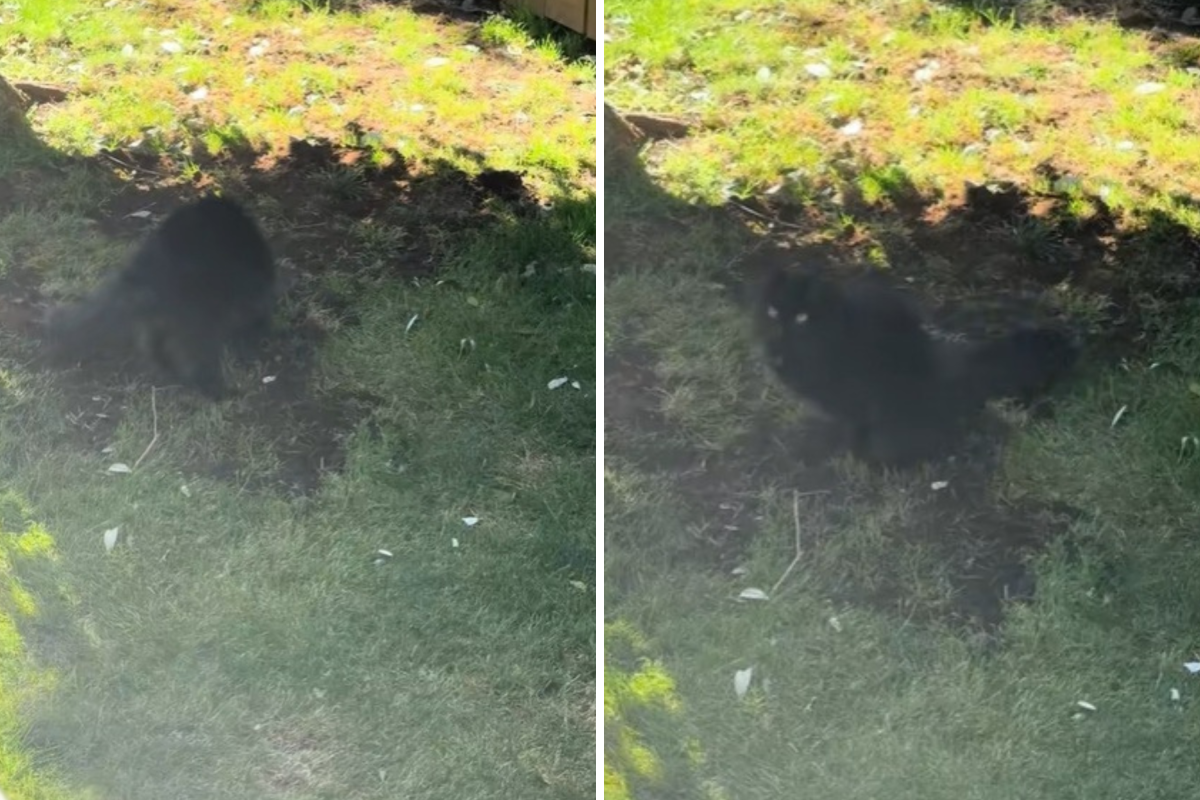
In the quiet suburbs of Taranaki, New Zealand, a story unfolded that tugged at the heartstrings of millions across the globe, all starting with a simple phone camera capturing an ordinary garden scene turned profoundly poignant. Tayla Hosking, a young homeowner and devoted pet parent, shared a TikTok video that would soon amass over 122,000 views and more than 30,000 likes. The clip opens with a sleek, fluffy feline named Luna—her name a fitting tribute to her graceful, moonlit coat—sniffing at a freshly disturbed patch of earth in Hosking’s backyard. Her eyes, wide and glassy, scan the surroundings as if searching for something just out of reach. Then, in a gesture that speaks volumes, she plops down right on top of the dirt, her body settling into a protective curl. The overlay text starkly explains: “This is my cat 2 seconds after we buried her brother in this exact spot.” It’s a moment frozen in time, raw and unfiltered, where the innocence of adolescence meets the harsh reality of loss. Luna wasn’t just sitting idly; this was her way of clinging to the memory, a silent vigil for her sibling who’d been laid to rest mere moments before. As humans, we often project our own grief onto these scenes, imagining the turmoil a pet might feel—the confusion, the yearning, the aching void left by an inseparable companion. For Tayla, seeing Luna on that video was like witnessing a reflection of her own heartache, a reminder that even in our smallest loved ones, emotions run deep and true. She recalls the brother cat, a playful tabby with a fiery spirit, who had been Luna’s constant shadow since they were kittens hauled home from a local shelter. They’d tumble through the house, knocking over plants and chasing laser pointers with reckless abandon, their bond forged in those formative, carefree days. When illness struck the brother cat suddenly—a sharp decline that sent Tayla rushing to the vet—the family knew the end was near. The final hours were spent huddled together, Tayla whispering comforts, allowing Luna to say their goodbyes in the only way cats know how: close proximity, shared warmth, and those inexplicable feline connections. Burying him in the garden felt like a gentle farewell, a spot near the roses where he’d loved to sunbathe, but nothing prepared them for Luna’s immediate, instinctual response. It humanizes us, doesn’t it? To see a creature so small emulate our own ways of grieving—clutching onto the tangible, the scent, the space left behind. Tayla shared that Luna had “hung out” with her brother one last time, a makeshift farewell ritual that mirrors how we humans linger at gravesides, holding hands and sharing stories. In that 15-second clip, Luna became a symbol of pure, unadulterated sorrow, a feline echo of every tear shed over a lost loved one. Her collapsing onto that dirt wasn’t just relief or tiredness; it was a profound act of love and mourning, one that resonates because it taps into our universal language of loss. Viewers couldn’t help but empathize, flooding the comments with their own tales of heartbreak, creating a community bonded by shared pain. It’s stories like this that remind us pets aren’t just animals—they’re family, capable of feelings that cut as deep as our own. As the video circulated, it sparked a wave of nostalgia and reflection, people pausing in their busy lives to contemplate the fragility of life and the depth of bonds we form, even with those who purr and meow. In Luna’s quiet defiance of the void, we see our own humanity mirrored back, urging us to cherish the moments we have before they’re just memories etched into the earth.
The person behind this viral moment, Tayla Hosking, isn’t just a bystander in her own story; she’s an everyday hero navigating the unexpected grief of pet ownership. Based in Taranaki, a region known for its lush landscapes and close-knit communities, Tayla has always been passionate about animal welfare—she volunteers at local shelters and fosters strays when possible. Her TikTok handle, @tayla_hosking, is filled with snippets of backyard adventures and heartwarming pet antics, but this video stands out as a raw, emotional outlier. When she posted it, she didn’t anticipate the tidal wave of response; it was simply a way to process her pain, sharing what felt like a private sorrow with a digital world. In a follow-up comment, she elaborated to a skeptical viewer: her cats were inseparable siblings, adopted together as mischievous kittens who turned her home upside down with their energy. The brother cat, whom she affectionately nicknamed “Buddy,” had been her rock during some tough times—cuddling through late nights when work stress piled up, his purrs offering solace that words couldn’t provide. Losing him to a sudden illness was devastating, but allowing Luna those tender moments beforehand made the burial feel almost sacred. Tayla describes how, in those final hours, Buddy’s body grew limp, his playful spirit fading like a sunset, and Luna stayed by his side, nudging him gently as if urging him to wake up. It’s these humanized details that breathe life into the story, transforming a simple clip into a narrative of love and loss. Viewers flooded her inbox with messages of support, some sharing their own pet loss stories from years ago, creating a virtual support group where strangers bonded over tears shed for four-legged friends. One commenter recounted how their dog sat guard over a buried hamster, refusing to leave for hours, echoing Luna’s vigil. Another spoke of their childhood cat who stopped eating after losing her littermate, behaviors that mirrored their human caregivers’ sorrow. Tayla feels a kinship with these anonymous sharers, each story a thread in the tapestry of collective grief. It’s in moments like this that social media transcends its superficiality, becoming a space for genuine empathy. For Tayla, sharing Luna’s reaction wasn’t about fame; it was about validation—that her pets’ bond was real, palpable, and deserving of mourning. In humanizing Luna’s tale, we’re reminded that owners like Tayla aren’t just observers; they’re participants in these furry family dramas, learning to love fiercely and grieve openly. The video prompted her to reflect on pet ownership itself—how we invest so much emotionally only for fate to remind us of life’s impermanence. Yet, it’s this vulnerability that makes us more compassionate, more present. Tayla now spends extra time outdoors with Luna, tossing toys and sitting in the garden, perhaps subconsciously honoring the spot where Buddy rests. It’s a healing process, slow and bittersweet, much like processing any profound loss. In her responses to fans, she encouraged others to cherish their pets, to let them grieve naturally, turning the viral sorrow into a lesson on living with love. Luna’s story, through Tayla’s eyes, teaches us that behind every pet video is a person dealing with the highs and lows of companionship, and that sharing those moments can turn personal pain into communal strength.
TikTok’s community, often dismissed as frivolous, erupted in a symphony of shared emotion, turning Luna’s grief into a mirror for millions’ own experiences with pet loss. Reactions poured in like a river of sympathy, with users dissecting the video frame by frame, each adding layers of their own heartache to the mix. One particularly touching comment came from a user named @petlover123: “Our dog did the exact same thing after we buried our cat—sniffed and sat right there, like he was guarding the spot. Our vet said it’s grieving; they smell the scent and it confuses them, so they cover it with their own to ‘protect’ it. Broke my heart thinking of our dog sitting there, cold and alone in the yard.” This isn’t just hearsay; it’s a humanized account of behavior patterns seen across pet owners globally, where animals exhibit signs eerily similar to human mourning. Another shared a tale of their dog attempting to dig up a buried kitten, the dirt flying as if refusing to accept the finality, a story that must have hit close to home for Tayla. “They were best friends,” the commenter added, “playing for hours, then suddenly gone. Poof. Dogs and cats can feel that loss too hard.” These anecdotes humanize the phenomenon, shifting it from clinical observation to lived experience. A third user posited an evolutionary angle: “She’s trying to hide his scent from predators,” blending survival instinct with emotional response, reminding us that animals operate on primal levels we might overlook. Flooded with responses, Tayla engaged directly, replying to several with empathy, sharing how Luna’s sorrow lingered for weeks—less playfulness, more lethargy, a direct reflection of her owner’s own low spirits. The floodgates opened further, with users recounting childhood pets, beloved companions who passed, and the long shadows of guilt over not saying goodbye. One story stood out: a woman who drove hours to reunite her grieving cat with a friend who had moved away, only to see the reunion restore the feline’s appetite. It’s these personal touches that elevate TikTok from a video platform to a support network, where vulnerability fosters connection. Experts chime in through users sharing vet advice, echoing clinical perspectives while grounding them in relatable narratives. For instance, a user cited their veterinarian explaining that pets grieve in cycles, much like humans, with withdrawal being a phase that passes with patient care. This communal grieving transforms isolated bereavement into something shared, validating feelings that might otherwise feel irrational. Luna’s video became a catalyst, spurring discussions on pet bonding and the ethics of rehoming—if animals mourn, how do we honor that? Viewers reminisced about their own furry friends, the empty collars and unanswered calls, turning virtual comments into therapeutic outlets. In humanizing these reactions, the video underscores our innate need to connect over loss, proving that even anonymous strangers can become anchors for each other. Tayla’s post didn’t just go viral; it humanized a universal truth—that pets imbue our lives with joy and leave voids when gone, compelling us to celebrate and mourn alike.
Delving deeper into the science of feline emotions, we see that Luna’s reaction isn’t an anomaly but a testament to the profound affective lives of cats, challenging the notion that they’re aloof creatures incapable of deep feeling. Experts at VCA Animal Hospital, a trusted authority on animal behavior, affirm that cats do indeed grieve, experiencing a spectrum of emotions including happiness, fear, and yes, profound sadness. It’s not mere anthropomorphism; studies show that cats form tight social bonds, especially with siblings or long-term companions, akin to familial ties in humans. When a bonded partner passes, cats can exhibit mourning behaviors that mirror our own: withdrawing into solitude, neglecting food, sleeping excessively, hiding away, or losing interest in play. These aren’t coincidental—they stem from the disruption of their small, intimate social worlds. Imagine a cat like Luna, whose daily routine revolved around her brother’s antics, suddenly facing a yawning emptiness where laughter once filled the air. Skeptics might dismiss this as routine change or mirroring human mood, but research points to neurological evidence: cats have similar brain structures to humans for processing loss, releasing stress hormones that trigger these depressive phases. One study from the University of Lincoln observed that cats bonded closely to humans or other pets showed increased cortisol levels and behavioral changes post-loss, lasting weeks or months. This humanizes the experience, painting cats not as emotionless machines but as sentient beings navigating heartache. Luna’s vigil on the burial site could be instinctual, yes—the lingering scent evoking a mix of confusion and loyalty—but also deeply emotional, a feline way of “keeping watch,” much like how we stand sentinel at funerals. Anecdotes from owners enrich this understanding: a cat named Whiskers who waited by the door for months after his companion died, meowing pitifully, unable to comprehend permanence. Veterinarians report cases where cats refuse to eat until coaxed, their grief manifesting as physical ailments. In humanizing these responses, we empathize with pets’ smaller worlds—cats don’t have the cognitive tools to rationalize death, leading to raw, unfiltered sorrow. It’s a reminder that every creature copes uniquely, just as humans do, some sinking into despair while others find solace in clinging to familiar scents. For Luna, that patch of dirt became a shrine, a tangible link to what was lost. Embracing this flips the script on common stereotypes, urging us to respect feline grief as valid, not just “cute” or “eccentric.” By acknowledging cats’ emotional depth, we deepen our connections, treating them as co-travellers in the journey of life, aware that bonds transcend species.
When facing such heartbreak, knowing how to support a grieving cat becomes a gentle act of kindness, transforming potentially devastating loss into manageable healing. Drawing from VCA Animal Hospital’s compassionate guidance, owners can employ practical strategies to ease their pet’s sorrow, much like supporting a human friend through bereavement. First, dedicate extra quality time: engage in play with favorites toys, sit quietly for companionship, or offer treats to distract and comfort. For Luna, this might mean Tayla scattering interactive feeders around the garden, coaxing small victories in a routine shattered by loss. Affection is key—pet your cat frequently, talk soothingly during daily tasks, humanizing interactions by narrating the simple joys of the moment. Invite gentle social stimulation if appropriate, like trusted visitors who can provide soft petting and distraction, helping rebuild the cat’s social world gradually. To entertain when alone, use food-dispensing toys or hidden treats, fostering independence and joy in discovery. Reinforce calm behaviors with positive reinforcement, avoiding indulgence of excessive meowing that might stem from distress. Patience is paramount; rush nothing, especially new pets, as hasty introductions could heighten stress instead of healing. If behaviors persist—prolonged lethargy, refusal to eat, or signs of distress—consult a vet to rule out underlying health issues, as grief can mimic or exacerbate illnesses. Anecdotes from owners illustrate this beautifully: one woman shared how she returned to work after losing her cat, only to find her remaining feline healed through scheduled “snugglings,” rebuilding trust over time. Another recounted using pheromone diffusers to mimic comforting scents, easing anxiety in grieved pets. Humanizing this process means viewing it through empathy—cats don’t “get over it” like flipping a switch; they need space to mourn, just as we do. Tayla noted Luna’s gradual return to normalcy, spurred by these efforts, proving that attentive care can turn sorrow into resilience. Ultimately, supporting a grieving cat honors the bond, teaching us self-compassion in our roles as guardians. It’s a reciprocal relationship, where our humanity inspires us to nurture theirs, creating a cycle of care that enriches both.
In the end, Luna’s viral goodbye serves as a poignant reminder that grief isn’t a uniquely human privilege—it’s a shared thread weaving through all living beings, urging us to empathize across species. The video’s quiet power lies in its simplicity: a cat sitting vigil on fresh earth, evoking universal themes of love, loss, and remembrance. For many, it prompted introspection—pausing busy days to cherish fleeting moments with pets, recognizing their capacity for deep emotion. Tayla’s story echoes countless others, humanizing animal mourning and busting myths of feline detachment. As we reflect, it calls for greater awareness: to honor our companions’ grief as we do our own, fostering healthier bonds. Luna’s tale of sibling sorrow, shared on TikTok, transcends screens, uniting us in vulnerability. In celebrating these connections, we find solace, remembering that every purr and paw holds a lifetime of unspoken love.