



The Adorable Phenomenon at Ichikawa City Zoo
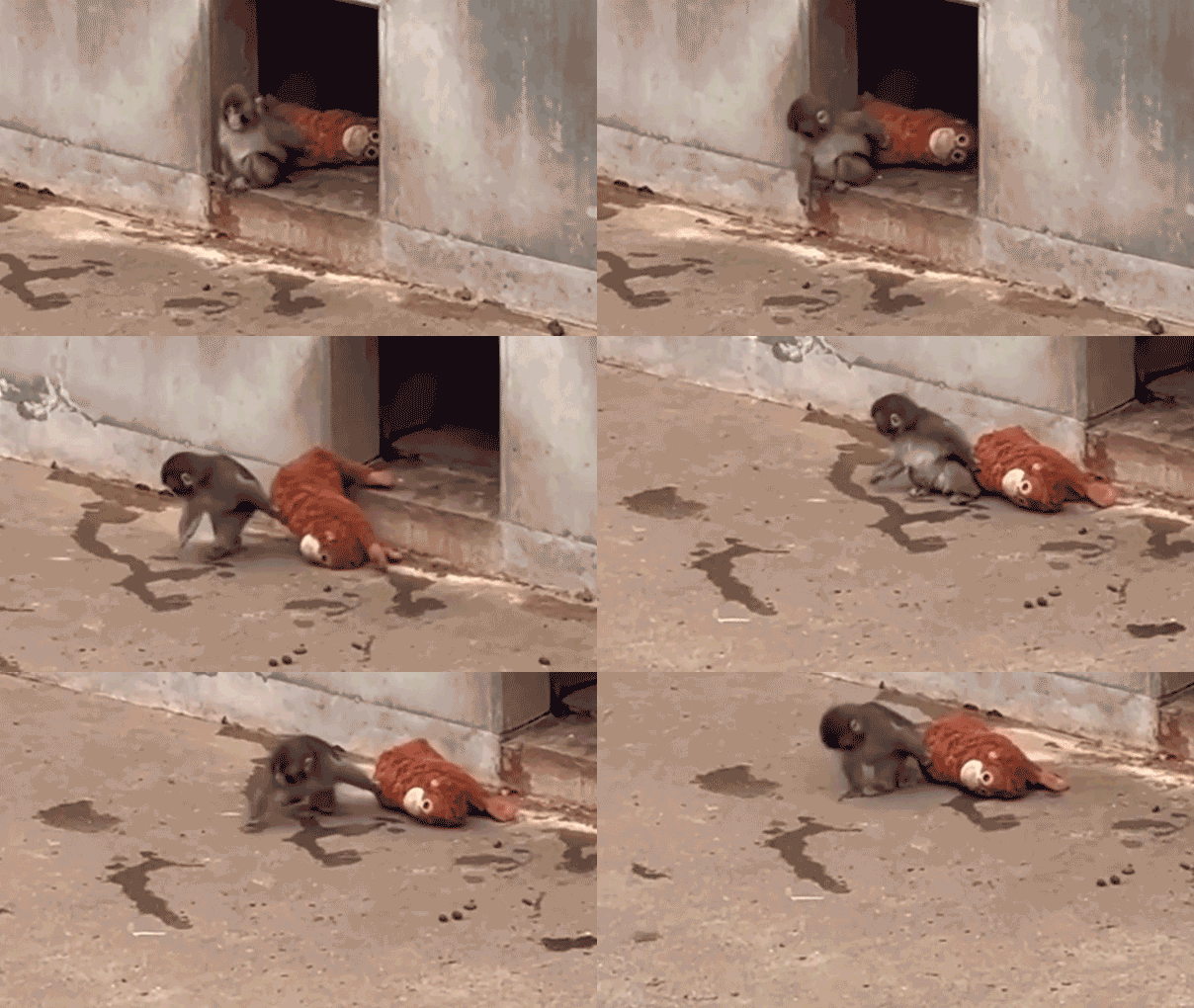
In the bustling world of viral sensations, where trends flicker across screens like digital fireflies, there’s something profoundly heartwarming about a tiny monkey named Punch-kun capturing hearts worldwide. It all began with a simple photo: a baby macaque, just six months old, dragging an oversized stuffed orangutan around his enclosure at Ichikawa City Zoo in Japan. In an era where we scroll through endless reels of pets and wildlife, Punch-kun’s story stands out for its raw innocence and quiet resilience. Lines of visitors have formed, snaking around the zoo’s entrance, as people from near and far flock to witness this pint-sized primate who refuses to part with his plush companion. Imagine the scene: families with young children, giggling and pointing, couples sharing knowing smiles, and solo visitors lingering with a sense of wonder. It’s as if this little monkey has bridged the gap between our human world and the wild, reminding us of the simple joys of attachment. But beneath the cuteness lies a tale that tugs at the heartstrings, making us reflect on abandonment, comfort, and the powerful bond between a child and their surrogate caregiver. Zoo officials, caught off guard by the sheer volume of foot traffic, posted updates on social media, expressing their amazement. “We’ve never seen anything like this,” they admitted, apologizing for delays as crowds swelled beyond expectations. Some visitors arrive before dawn, braving the chill, just to catch a glimpse of Punch-kun in action—sleeping curled around his toy, munching on fruits beside it, or even playfully tussling with it in the dirt. It’s not just a spectacle; it’s a mirror to our own emotions. In a time when loneliness plagues many, Punch-kun offers a comforting narrative of finding solace in the unlikeliest of places. As one visitor shared, seeing him drag that fluffy orangutan evokes a mix of laughter and melancholy, a reminder that even in the animal kingdom, we all seek connection. This viral moment has sparked conversations about mental health, animal welfare, and the parallels between primate behavior and human experiences. People stop to take photos, not just of the monkey, but of each other, sharing stories of their own “comfort toys” from childhood—a ragged teddy bear or a beloved blanket. It’s humanizing in the purest way, turning a zoo visit into an emotional pilgrimage.
Punch-Kun’s Daily Routine and Unwavering Attachment
Delving deeper into Punch-kun’s world, one can’t help but marvel at the tenderness of this baby macaque’s daily life. From the moment staff unlock his enclosure, he’s inseparable from his bulky, cuddly plush orangutan—a toy that’s nearly as big as he is, with bright orange fur and soft, expressive eyes that seem almost lifelike. He carries it everywhere, gripping tightly with tiny hands that speak volumes about his need for security. In the mornings, as sunlight filters through the foliage, Punch-kun drags the stuffed animal across the mulch-covered ground, its fabric fraying slightly from constant use but never discarded. During meal times, he positions it just so, as if sharing a picnic with an old friend, nibbling on bananas and nuts while the toy “watches” with silent approval. Then comes nap time, when he curls around it like a human child clutching a pillow, his little body rising and falling with peaceful breaths. It’s photometry in motion: Schwartzberg’s quiet movements translated into primate form. But it’s not just about the cuteness; it’s about the emotional lifeline this toy represents. Punch-kun, born in July 2025, embodies resilience in the face of early loss. Without a mother’s embrace from birth, he instinctively mimics the maternal bond by treating the plush orangutan as his anchor. Visitors watch in awe as he parades it around, sometimes even lifting it triumphantly as if to show off his prize. One onlooker noted how Punch-kun’s eyes light up when he spots familiar faces, a spark of joy piercing through his vulnerability. This attachment humanizes him, making us empathize with the universal longing for comfort. Nighttime brings its own ritual—he tucks the toy under his chin, a nightly embrace that wards off the shadows. Staff have observed how he grooms the plush animal occasionally, adding to its wear but deepening his sense of ownership. It’s a poignant portrayal of grief processed through play, reminding adults of their own coping mechanisms. As crowds gather outside the wires, whispering encouragements, they bear witness to a monkey who teaches us about holding on when everything else lets go.
The Zoo’s Surprising Encounter with Fame
The zoo’s administrators, like many in the spotlight, found themselves thrust into an unexpected role as hosts to this global phenomenon. In a statement shared on X (formerly Twitter) on February 15, they expressed their sheer astonishment at the influx of visitors. “Our staff were stunned by the surge,” the post read, accompanied by photos that captured the chaos: families spilling out of buses, children balancing on shoulders for a better view, and adults sharing snacks as they waited hours in line. Entrance delays became the norm, with apologetic notices posted at the gates promising smoother access soon. Behind the scenes, zookeepers busy themselves with more than just feeding schedules; they’re now managing a media frenzy, fielding calls from news outlets and responding to inquiries from potential donors inspired by Punch-kun’s tale. The zoo, a modest spot in Ichikawa, wasn’t prepared for this level of attention—its facilities modest compared to grander wild spots like the Smithsonian’s National Zoo with its historic elephant births. Yet, they’re embracing it, turning the moment into educational opportunities. Staff have started guided tours focusing on primate psychology, explaining how attachment toys help orphaned macaques cope, much like therapy animals do for humans. One keeper shared how they’ve installed a small camera at Punch-kun’s corner, streaming live feeds for those who can’t visit, turning virtual support into a community engagement tool. This surge has brought financial relief too, with ticket sales soaring. But it’s the human element that shines through: volunteers organizing cleanup days, donations of new toys for other animals, and heartfelt messages from around Japan thanking the zoo for shining a light on emotional animal care. As one staff member put it, “We’re not just caretakers anymore; we’re storytellers for Punch-kun’s journey.” It humanizes them, revealing the dedicated humans behind the operations who sacrifice personal time to ensure these creatures thrive. In a poignant twist, the zoo has even themed evenings around macaque behavior, inviting experts to discuss parallels to human child development, fostering a deeper bond between visitors and the wild inhabitants they cherish.
The Heartbreaking Backstory of Abondonment and Care
Beneath the flurry of excitement and viral glee lies a story steeped in sorrow, one that humanizes Punch-kun into a symbol of quiet suffering and triumphant recovery. Born prematurely in July 2025, Punch was abandoned by his mother shortly after birth—a fate all too common in captive breeding programs where newborns sometimes struggle with the rigors of new life. Macaques, like many primates, form intense bonds from infancy, and without that maternal anchor, young ones can spiral into anxiety and isolation. News.au reports, echoed on the zoo’s X page, detail how Punch was found trembling and alone, his tiny cries piercing the enclosure’s air. Zoo caretakers, acting as surrogate parents, sprang into action. They hand-raised him in a secluded nursery, monitoring every developmental milestone with the precision of doting parents. Feeding bottles, gentle touches, and soft coos became his world, helping him grow from a fragile infant to a curious six-month-old. Gradually, they introduced him to the group of macaques, hoping he’d integrate seamlessly. But integration proved challenging; Punch exhibited signs of distress—reticence, avoidance, even moments of withdrawn play. It’s a mirrors complex emotions to human experiences, akin to a child navigating school without parental encouragement. The caregivers’ compassion shines through: recognizing his need for solace, they gifted him the oversized stuffed orangutan, a plush replica of a fellow primate. Instantly, it became his lifeline, a tangible reminder of connection in a world that had offered abandonment first. Visitors learn this backstory through informative plaques, turning the zoo into an empathy-building space. One comment from a parent resonated deeply: “My son had a plush dog after his mother’s passing; seeing Punch-kun is healing for us.” This history invites reflection on abandonment’s universal sting, whether in animal or human realms, and celebrates the caregivers who step in as heroes, their patience weaving threads of hope where despair once lingered.
Public Reactions and the Power of Social Media
Social media has amplified Punch-kun’s story into a global conversation, humanizing both the monkey and those who flock to see him. On platforms like X, images of the baby macaque clutching his orangutan spread like wildfire, garnering millions of views and heartfelt comments. “It’s cute to see the little monkey dragging the stuffed animal around but it’s very sad at the same time,” wrote one user, capturing the bittersweet dynamism of joy tinged with empathy. Visitors describe their experiences as profoundly moving: Punch-kun proudly displaying his toy while racing across the enclosure or resting beside it, his antics drawing cheers and applause. Others express genuine concern for his well-being, akin to worried aunts at a family gathering, sharing worries about lingering trauma. But praise abounds for the zoo staff’s dedication, with comments like, “I really hope Punch finds his place—seeing the staff support him through struggles shows their deep commitment.” This online buzz has morphed the zoo into a pilgrimage site, with hashtags like #PunchKun and #MonkeyComfortToy trending. People from distant prefectures plan road trips, families create photo books of their visits, and even international observers chime in, sharing stories of pets that brought solace. It’s a testament to how social media humanizes distant tales, fostering connections across screens. Artisans have created plush versions of the orangutan, selling out for charity, while educators use Punch-kun’s story in classrooms to teach emotional intelligence. “He’s teaching us all about resilience,” a teacher posted. Yet, there’s a darker undercurrent—critics warn of exploitation, urging more focus on conservation over cuteness. Overall, the public reaction transforms a local zoo anomaly into a mirror for societal compassion, reminding us that viral moments, when approached with kindness, can heal collective wounds.
Punch-Kun’s Progress and the Promise of Healing
As weeks unfold, Punch-kun’s journey continues to evolve, offering a roadmap for healing that resonates deeply with anyone who has faced loss. In recent updates from the zoo, he’s “gradually deepening his interactions” with the other macaques—grooming sessions where he naively mirrors the group’s habits, playful tussles that test boundaries, and even gentle scoldings from elders, all integral to primate socialization. It’s a heartwarming progression, watching him gain confidence day by day. Yet, the stuffed orangutan remains his steadfast companion, clutched during transitions and shared moments. The zoo’s caretakers celebrate these milestones as wins, their voices filled with warmth. “He’s adapting beautifully,” one shared, “reminding us that growth is possible.” This narrative humanizes the process, paralleling human recoveries from childhood traumas—therapy sessions, gradual friendships, enduring comforts. Crowds still gather, but now with an air of hope, visitors reflecting on their own struggles and triumphs. Punch-kun’s story inspires fundraisers for animal sanctuaries and discussions on mental health support. As he grips his toy amidst the enclosure’s life, it’s a poignant symbol: even in healing, comforts from the past aren’t forgotten. The zoo anticipates a day when the plush becomes a memory, but for now, it anchors a tiny monkey’s world. Ultimately, Punch-kun’s tale humanizes the wild, urging us to find empathy in the small, the vulnerable, and the wonderfully persistent threads of connection that bind us all. Through his eyes, we see our shared journeys—ones of abandonment, solace, and eventual belonging.