


The Return of Obama-Biden Memes: A Nostalgic Glimpse into 2016’s Internet Culture
A recent viral post on Threads by user @probablepotato has sparked a wave of nostalgia for one of the mid-2010s’ most beloved internet phenomena: Obama-Biden memes. With over 5,600 likes since January 15, the post has become a digital time capsule, transporting users back to 2016 when these playful images of the former president and vice president dominated social media. The caption—”Obama-Biden were peak 2016 memes”—perfectly captured the sentiment that resonated with thousands, prompting them to dust off their own archived memes and share them in the comments. This spontaneous digital reunion around these political memes speaks to something deeper than just humor—it reflects a collective yearning for what many perceive as a simpler time in our online lives.
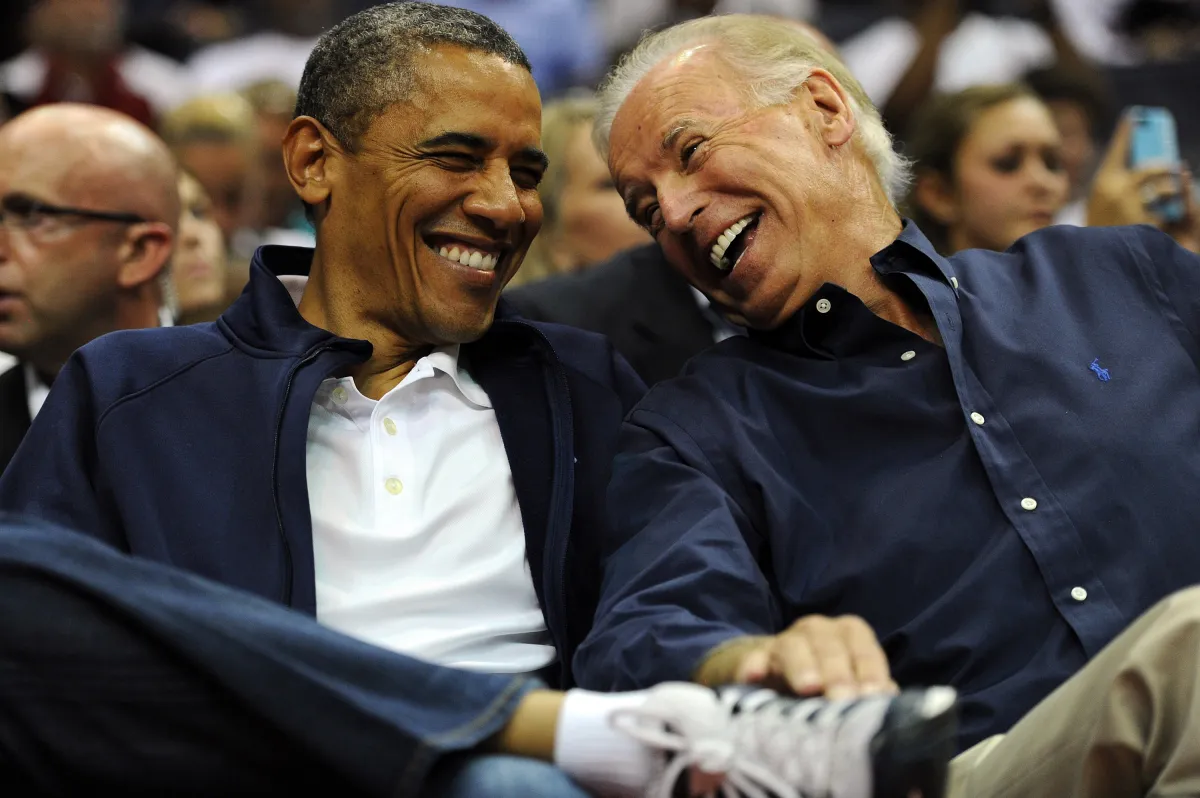
The resurgence of Obama-Biden memes fits into a broader trend of 2016 nostalgia that has been gaining momentum across social platforms like TikTok and Instagram. For Generation Z especially, 2016 has taken on an almost mythical quality—a year when internet humor felt more innocent and unburdened, yet creatively vibrant. These memes typically featured actual photographs of Obama and Biden together, overlaid with fictional dialogues that portrayed Biden as an enthusiastic, sometimes mischievous sidekick to Obama’s straight-man persona. One of the most iconic examples shared in the viral post showed Biden with his hand on Obama’s shoulder, captioned with an imagined exchange: “Biden: Ok here’s the plan: Have you seen Home Alone. Obama: Joe, no. Biden: Just one booby trap. Obama: Joe.” The charm of these memes lay in their ability to humanize political figures through imagined scenarios that felt both absurd and strangely plausible.
What made the Obama-Biden memes so endearing was their departure from traditional political humor. Rather than focusing on policy criticism or partisan jabs, they celebrated a perceived friendship between the two leaders. Another popular image in the collection showed the pair holding hands during a White House meeting, while a third featured Biden gazing at Obama with the caption: “I want a lover to look at me the way Joe Biden looks at the back of President Obama’s head.” These memes created an alternate narrative—one where the president and vice president were not just political partners but best friends engaging in playful banter behind the scenes of governance. This approach to political humor offered something increasingly rare in American discourse: a way to engage with political figures that felt warm rather than divisive, regardless of one’s party affiliation.
The comment section of @probablepotato’s post quickly transformed into a digital museum of 2016 political humor. Users enthusiastically shared their own saved memes, many featuring the same photographs with different captions—a testament to how these images had become versatile templates for creative expression. “Joebama! Miss these guys, like a lot a lot,” wrote one commenter, while another reminisced, “This was my favorite part of 2016!” The emotional undertone in these responses revealed something significant: these weren’t just funny pictures but artifacts from a time that many internet users now regard with particular fondness. The memes had become vessels for nostalgia about not just the political figures themselves but about a perceived era of lighter, more playful internet culture.
The renewed interest in Obama-Biden memes also highlights how internet humor has evolved in the years since. In 2016, these memes represented a relatively new approach to political content—one that focused less on policy debates and more on imagined personalities. They emerged during a transitional moment in social media culture, when platforms were becoming more visual and meme formats were rapidly evolving. Unlike today’s often algorithm-driven content, these memes spread organically through genuine user engagement, representing a form of grassroots internet culture that many users now miss. The fact that people are returning to these specific memes suggests a longing not just for the content itself, but for the way we used to interact with content and with each other online.
Perhaps most telling is how this meme revival has created a moment of shared cultural reminiscence across generational lines. While Gen Z may claim 2016 as a formative year in their digital coming-of-age, the Obama-Biden memes appeal to a broader audience who lived through that era. In revisiting these images, users aren’t just laughing at old jokes—they’re reconnecting with a collective memory of an internet moment that briefly united people across political divides through humor. As one commenter noted, these memes represent something that feels increasingly rare: political content that doesn’t immediately alienate half the audience. In our current era of digital polarization, there’s something powerfully nostalgic about remembering a time when a Democratic president and vice president became the subjects of memes that people of various political persuasions could appreciate simply for their humor. The viral revival of these memes isn’t just about the past—it’s a reflection of what many users wish today’s internet culture could still be.