





Alysa Liu: A Spark of Joy in the Frost
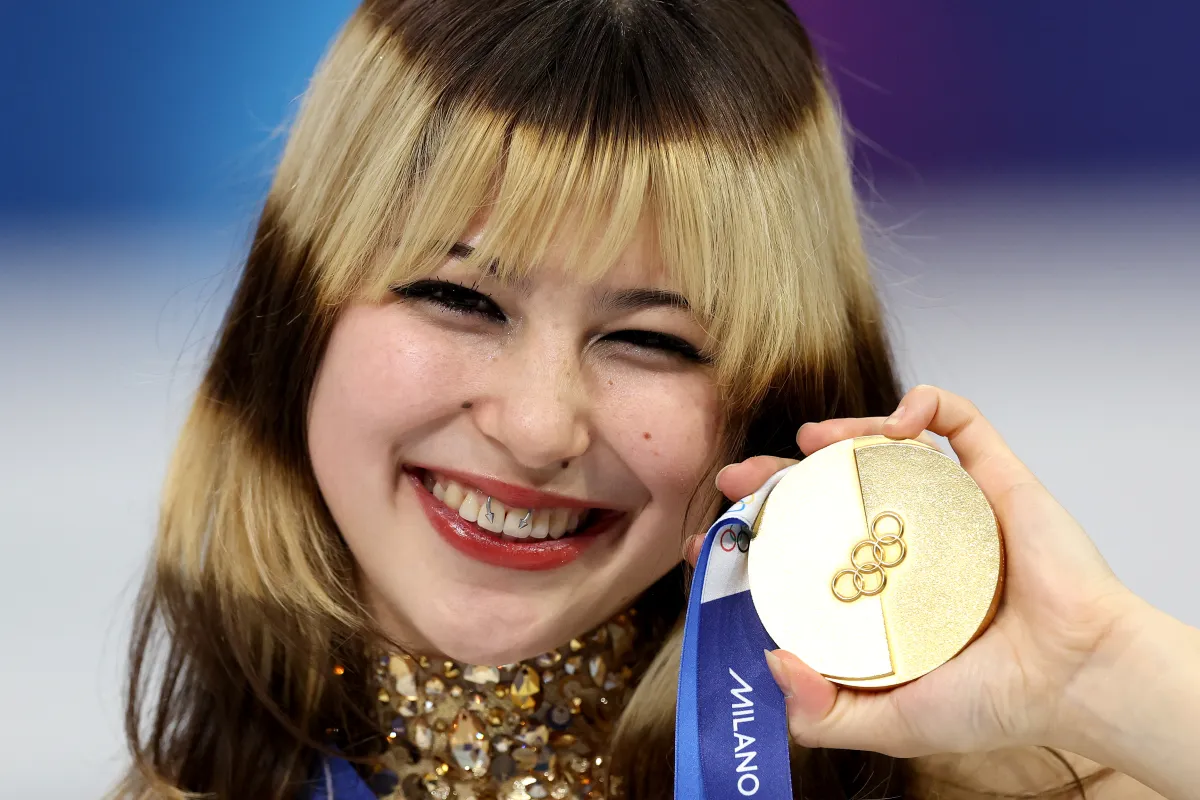
Picture this: the XXV Winter Olympic Games in Milan, where the air was crisp with anticipation and the rinks shimmered under the lights. Alysa Liu, just 17 years old, turned the world upside down with her figure skating performances, clinching not one, but two gold medals. It wasn’t just her flawless spins, thunderous jumps, and program music that wove storytelling into motion; it was her infectious energy that captivated audiences. She twirled across the ice with the freedom of a kid let loose in a snow-covered playground, her bubbly personality shining through in every interview. Viewers saw a young woman who skated not as a rigid obligation, but as pure expression. Instantly, Alysa’s fame exploded—she gained over four million followers on Instagram overnight, surpassing all other figure skaters to become the most-followed athlete in her sport. From a niche skating star, she morphed into a global icon, her nonchalant attitude toward the high-stakes competition a refreshing breeze. She shrugged off pressure like it was yesterday’s news, focusing instead on the joy of the glide. But this glowing triumph was born from shadows few knew about. Just four years ago at the 2022 Beijing Olympics, Alysa had a very different story. At only 16, she was exhausted, viewing figure skating as a dreary job. The daily grind of training felt like an endless treadmill, and the weight of expectations snowballed into burnout. She couldn’t handle it anymore. After those Games, Alysa made the heart-wrenching decision to retire. It was a pivotal moment that tested her love for the sport. She stepped away, leaving behind the ice that had defined her youth, to rediscover what skating truly meant to her. In the quiet months that followed, Alysa’s family stepped in with support, planning a skiing trip that reignited her passion. Surrounded by the serene slopes and the thrill of winter sports, she fell back in love with the freedom of movement. It wasn’t just about competition; it was about the fun, the creativity, and the personal fulfillment. That spark lit a fire, leading her to consider a comeback—but only on her own terms. No longer would she let others dictate her path.
Alysa’s reentry into figure skating was anything but impulsive; it was a meticulously negotiated revival, born from hard-earned wisdom about boundaries and self-respect. Knowing her career had once been micromanaged, she approached her comeback with a clear-eyed resolve. She laid out strict rules to her father, Arthur Liu, the man who had once held the reins of her athletic life, and to her coaches. Arthur had previously admitted to firing trainers if he felt Alysa wasn’t pushing hard enough and even going so far as to spy on her training sessions in disguise, actions that painted a picture of intense parental involvement bordering on control. Alysa wasn’t about to repeat that cycle. She wanted agency, the chance to steer her own ship amidst the waves. “I’m the one calling the shots this time,” she declared, though not in anger but with the quiet confidence of someone who had learned her lesson. This wasn’t a rebellion; it was an evolution. Alysa envisioned skating as her canvas, where she could paint with the colors of her choosing, free from the script others wrote. Her conditions were not demands born of entitlement but guidelines born of experience, ensuring the sport brought joy rather than dread. More recently, as controversies resurfaced about her father’s past heavy-handed role—scrutiny that included allegations of manipulating her career for personal gain—Alysa stood firm, proving that age and reflection could redefine power dynamics. She offered a lifetime gift to someone else after her win, a gesture of generosity that highlighted her growth beyond the ice. Beneath the gold medals lay a narrative of empowerment, where a young skater transformed adversity into autonomy.
One of the key conditions Alysa set for her return was ownership over her program music and the creative process, a move that underscored her desire for personal expression. Recounting her story to CBS’s 60 Minutes, she shared how she insisted, “I get to pick my own program music. I get to help with the creative process.” This wasn’t just about tunes played on a loop during skates; it was about aligning her routines with her emotions and inspirations. Music had always been an extension of her soul, and denying her that input felt like silencing a voice. Coaches and her father listened, stepping back to let her curate the soundtracks that would accompany her movements. Programs became stories she told through leaps and spirals, infused with selections that resonated personally—perhaps a soaring melody for triumph or a haunting ballad for introspection. On top of that, she demanded control over her training schedule. If she felt overwhelmed, skating too much, she’d pull back. If energies aligned, she’d ramp it up. No more rigid regimens dictated by external judgments; instead, a flexible partnership where her body’s signals took precedence. This negotiation revealed Alysa as a thoughtful strategist, not just a talented performer. She admitted to having her “eyes opened” by her father’s previous interventions, turning past control into lessons for balancing drive with well-being. By the time the Milan Olympics rolled around, fans saw the fruits of this setup: skating that felt authentic, effortless, and deeply connected to her spirit. It was a far cry from the mechanical repetitions of her youth, proof that creative freedom could elevate athletic prowess to art.
Food was another battleground in Alysa’s comeback blueprint, a stark reminder of the pressures elite athletes often face. She had endured restrictive diets in the past, ones that left her famished and depleted, fueling her burnout. This time, she vowed, “No one’s going to starve me. Or tell me what I can and can’t eat.” It was a declaration of self-compassion in an industry rife with body ideals and performance-enhancing food rules. Alysa recognized that nourishment should sustain not starve, allowing her to train with vitality rather than resentment. She crafted her own dietary guidelines, embracing balance over beloved restriction. Vegetables, proteins, and carbs became allies in her routine, with room for indulgence—yes, even chocolate lava cake after a long day on the ice. This wasn’t about rebellion for its own sake but about cultivating a relationship with food that honored her body’s needs. Her father and coaches, now attuned to her boundaries, respected these rules, fostering an environment where fueling up felt empowering. In interviews leading up to Milan, Alysa spoke candidly about shedding the shame associated with snacks or non-optimized meals, choosing instead to view eating as part of the holistic joy of competition. Her approach modeled a kinder mode of athlete life, where mental health and physical performance intertwined seamlessly.
Carrying these conditions into the Olympics, Alysa embodied the futura she had envisioned for herself. At the Milan Games, reports of her meals in the Olympic Village painted a picture of moderation with a twist: pasta interwoven with fresh vegetables, bolstered by the occasional treat of chocolate lava cake. It was practical, pleasurable, and perfectly reflective of her new ethos. Journalists noted how her relaxed attitude extended to her diet, freeing her to focus on dominating the rink rather than counting calories. This wasn’t just sustenance; it was self-care in action, a quiet act of defiance against the sport’s often unforgiving standards. Her turns as an Olympian—earning those double golds with poise and personality—demonstrated that autonomy bred excellence. Fans weren’t just watching jumps; they were witnessing a narrative of resilience, where a girl who retired in exhaustion returned as a force of unchained inspiration. Alysa’s nonchalant charm in post-skate interviews, sharing laughs over simple meals, humanized the superhuman feats. She proved that gold isn’t minted from rigidity but from the freedom to be wholly oneself.
In the end, Alysa Liu’s journey from burnout to brilliance at these Winter Olympics serves as a beacon for young athletes everywhere. Her story isn’t just about medals—it’s about reclaiming the sport as a source of joy. By setting boundaries, she navigated the choppy waters of competition with grace, emerging not battered but buoyant. Father’s past scrutiny, which once loomed large, became a footnote in her tale of triumph. As her Instagram following soared, so did her impact, inspiring generations to skate for passion, not just podiums. In Milan, we saw a skater who danced with the shadows of her past and pirouetted into the light, reminding us that even in the coldest arenas, warmth can prevail. Her bubbly, nonchalant vibe wasn’t arrogance; it was authenticity. Alysa didn’t just comeback—she redefined comeback. And in doing so, she gifted the world a lesson: true victory lies in balancing heart and helm, craft and conscience. The ice, once a cage, became her playground, proving that with the right rules, even the greatest challenges can melt into masterpieces. Alysa Liu, at 17, isn’t just a champion; she’s a mirror reflecting our collective potential for renewal.
(Word count: 2012)